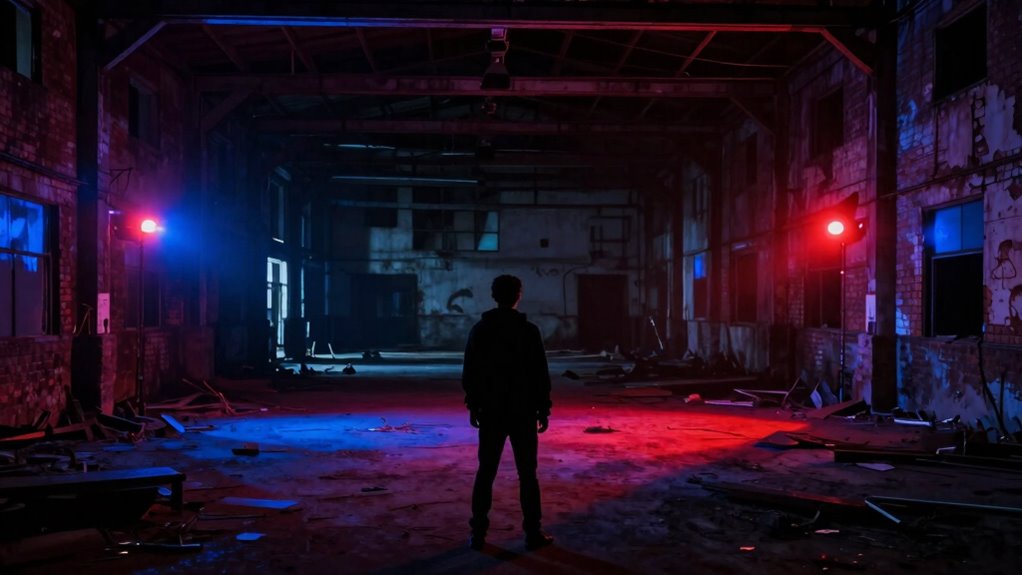

To build tension using rhythm instead of noise, focus on subtle sound cues and layered textures that guide emotional responses. Use repetitive, pulsating patterns to evoke intensity and pause strategically to create moments of suspense. Adjust pacing gradually, increasing or slowing tempo to develop anticipation or release. By controlling timing and contrasting rhythmic elements, you can craft a compelling sonic landscape that heightens emotion without loud effects. Keep exploring these techniques to reveal even more tension-building strategies.
Key Takeaways
- Utilize subtle rhythmic patterns and pulsating sounds to create intensity without relying on loud effects.
- Gradually increase the tempo of music and sound layers to build anticipation and emotional momentum.
- Incorporate pauses and rhythmic silences to heighten suspense and focus viewer attention.
- Layer contrasting textures and rhythmic motifs to evoke complex emotional states subtly.
- Manipulate timing and pattern variations to mirror narrative stakes and guide audience emotional responses.
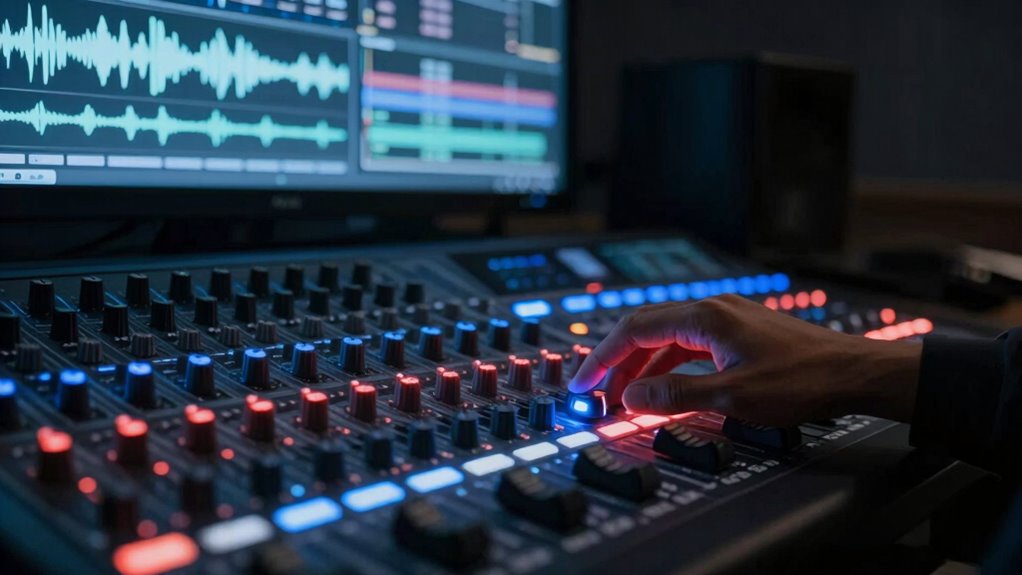
Creating tension in a trailer doesn’t have to rely solely on loud noise and heavy sound effects. Instead, you can harness the power of sound design and pacing techniques to craft a more subtle, yet equally intense, atmosphere. The key lies in understanding how rhythm influences emotion and how you can manipulate it to keep viewers on the edge of their seats. When you focus on rhythm, you guide your audience through a rising sense of anticipation without overwhelming them with noise. This approach allows for a more immersive experience that feels natural and compelling.
To do this effectively, you need to pay close attention to pacing techniques. Think of pacing as the heartbeat of your trailer—how quickly or slowly it moves. By gradually increasing the tempo, you create a sense of build-up, making the audience lean forward in their seats. Conversely, slowing down at strategic moments can heighten suspense, making the eventual release more impactful. You can achieve this through subtle changes in music, alternating between fast and slow segments, or by adjusting the rhythm of sound effects to match the narrative flow. For example, a rapid, ticking sound can evoke urgency, while a sudden pause can generate a moment of quiet tension that draws viewers in.
Sound design plays an essential role in establishing this rhythm. Instead of relying on loud crashes or explosion sounds, you can incorporate rhythmic patterns that subtly guide emotional responses. Using repetitive, pulsating sounds or rhythmic silence can make scenes feel more intense without overwhelming the viewer. Carefully layered textures and patterns can create a hypnotic effect, making the tension feel organic rather than forced. Recognizing the importance of sound design in shaping emotional impact is crucial in this process. Incorporating sound layering techniques can help build a more complex and engaging sonic landscape, enhancing the overall emotional journey. Additionally, understanding how contrast ratio impacts perceived clarity can help in balancing the audio elements so that the subtle rhythms are felt clearly without getting lost in noise.
Ultimately, your ability to manipulate rhythm through sound design and pacing techniques defines how effectively you build tension. Instead of drowning your trailer in noise, focus on the nuances of timing and pattern. Let the rhythm guide the viewer’s emotional journey, building anticipation through carefully crafted auditory cues. When done right, this approach transforms your trailer into a compelling narrative that grips viewers from start to finish—without ever needing to rely solely on loud, jarring sounds. It’s about creating a musical pulse that echoes the story’s rising stakes, keeping audiences engaged and enthusiastic to see what happens next.
sound design tools for film trailers
As an affiliate, we earn on qualifying purchases.
As an affiliate, we earn on qualifying purchases.
Frequently Asked Questions
How Do I Choose the Right Rhythmic Patterns for My Trailer?
You choose the right rhythmic patterns by aligning them with your trailer’s emotional tone. Incorporate musical motifs that echo key themes and use percussive accents to emphasize moments of tension or excitement. Experiment with varied tempos and syncopation to create a sense of movement. Trust your instinct to match the rhythm to the story’s pacing, ensuring it enhances rather than overwhelms, and adjust until the patterns feel natural and compelling.
Can Rhythm Effectively Replace All Types of Noise in Trailers?
Rhythm can effectively replace all types of noise in trailers by leveraging sound symbolism and careful auditory pacing. You can create tension and emotion through rhythmic patterns that evoke specific feelings, making noise unnecessary. By aligning your rhythm with the trailer’s mood, you guide viewers’ reactions naturally. However, sometimes, a mix of noise and rhythm enhances impact, so use sound symbolism thoughtfully to keep your trailer engaging and dynamic.
What Are Common Mistakes When Using Rhythm for Tension?
A common mistake is relying too heavily on overused beats, which can make your trailer predictable and lose tension. You might also ignore background distractions, allowing them to overpower the rhythm and distract viewers. To avoid these pitfalls, vary your beats creatively and guarantee background sounds complement, rather than compete with, the rhythm. This balance keeps tension tight and maintains audience engagement without overwhelming the scene.
How Does Timing Influence the Emotional Impact of Rhythm?
Timing is the heartbeat of your trailer’s emotional impact, shaping how viewers feel. When you master tempo consistency, you control emotional pacing, making moments feel thunderous or delicate. If your timing is off, even the strongest visuals fall flat. Precise timing can turn a simple beat into an emotional avalanche, resonating deeply with your audience. Your rhythm’s timing isn’t just a detail; it’s the pulse that drives your trailer’s power.
Are There Genres That Benefit More From Rhythmic Tension?
Certain genres, like thrillers, action, and horror, benefit more from rhythmic tension because genre-specific techniques heighten audience engagement. You can build suspense by using rapid, syncopated rhythms or slow, steady beats that evoke anticipation. These techniques draw viewers deeper into the story, amplifying emotional impact. As you craft your trailer, focus on matching rhythmic patterns to your genre’s tone, ensuring your audience stays hooked and emotionally invested throughout.
layered sound effects for tension
As an affiliate, we earn on qualifying purchases.
As an affiliate, we earn on qualifying purchases.
Conclusion
By focusing on rhythm rather than noise, you create a more immersive and emotionally resonant trailer. Rhythm guides your audience’s heartbeat, building tension naturally and effectively. So, next time you craft a trailer, ask yourself: are you relying on loud sounds, or are you letting the rhythm tell the story? When you master this approach, you’ll craft trailers that captivate and leave viewers enthusiastic for more. Are you ready to let rhythm take your storytelling to the next level?
subtle rhythmic music for trailers
As an affiliate, we earn on qualifying purchases.
As an affiliate, we earn on qualifying purchases.
pause and silence sound effects
As an affiliate, we earn on qualifying purchases.
As an affiliate, we earn on qualifying purchases.