
To craft memorable trailer openings, you need to blend striking visuals with clear genre cues that immediately set the tone. Use impactful imagery, dynamic pacing, and genre-specific elements—like sounds or colors—to grab attention instantly. Focus on creating a visual language that resonates emotionally and hints at the story’s essence. When done right, your opening will captivate and intrigue viewers from the first second, and if you keep exploring, you’ll free even more strategies for unforgettable premieres.

Get movie nights delivered free — and shop member deals
- Fast, free delivery on millions of items
- Access to Prime Big Deal Days deals on October 6–7
- Prime Video, Amazon Music and more included
Key Takeaways
- Use bold, striking visuals and genre-specific cues to immediately establish tone and intrigue.
- Incorporate a compelling hook or mystery that sparks curiosity within the first few seconds.
- Combine dynamic pacing with evocative imagery to create an emotional connection early on.
- Integrate recognizable genre signals like sounds, color palettes, or symbols for instant recognition.
- Ensure every shot and element serves a purposeful role to build a memorable, cohesive opening.
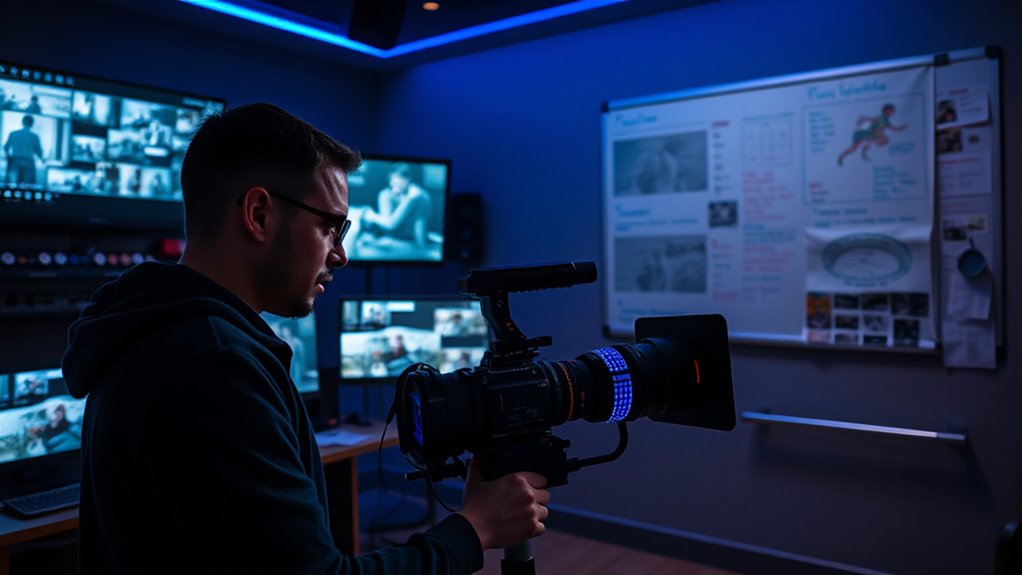
Have you ever wondered what makes a trailer opening instantly mesmerizing? It’s not just about eye-catching visuals or dramatic music; it’s about crafting a compelling start that pulls viewers in immediately. The secret lies in effective visual storytelling combined with sharp genre hooks. When you open a trailer with a strong visual narrative, you create an emotional connection from the first frame, giving the audience a taste of the story without revealing too much. This approach immerses viewers and sparks curiosity, compelling them to watch more. Visual storytelling is your canvas—every shot, every cut, and every scene should serve a purpose, conveying mood, setting, or character just through imagery. Think about how iconic openings set expectations within seconds—whether it’s a sweeping cityscape, a tense close-up, or a mysterious silhouette. These visuals should speak volumes, hinting at the story’s tone and genre.
Genre hooks are equally essential. They are the specific cues that signal to your audience what kind of story they’re about to experience. If your trailer aims to sell a horror movie, start with unsettling imagery, eerie sounds, or ominous music that instantly evoke suspense. For a comedy, quick-paced, humorous snippets can immediately set the tone. Genre hooks act as a shorthand, immediately communicating the film’s essence. When you combine gripping visual storytelling with clear genre hooks, you create a powerful opening that resonates. Your audience recognizes the genre instantly and feels drawn into the universe you’re presenting. This combination ensures your trailer isn’t just visually appealing but also strategically effective at capturing attention.
As you craft your trailer opening, focus on establishing a visual language that aligns with your genre. Use bold imagery, dynamic pacing, and evocative scenes to set the mood. Incorporate genre-specific cues—like a mysterious whisper for thrillers or vibrant colors for a fantasy adventure—to reinforce the genre hook. Remember, your opening is your chance to make a lasting impression; it should intrigue, excite, and promise an experience that’s worth their time. When visual storytelling and genre hooks work seamlessly together, the result is a trailer opening that’s not only mesmerizing but also memorable—one that sticks with viewers long after they’ve moved on. The key is to be precise and intentional, ensuring every element works toward captivating your audience from the very first second.
As an affiliate, we earn on qualifying purchases.
Frequently Asked Questions
How Long Should a Trailer Opening Be?
You should keep your trailer opening around 10 to 15 seconds, focusing on strong visual pacing and scene selection. This length grabs attention quickly and sets the tone without overwhelming viewers. Use fast-paced cuts or intriguing visuals to maintain interest, ensuring each scene contributes to building curiosity. A concise, punchy opening makes your trailer memorable, compelling audiences to want more while perfectly setting up the story.
What Music Best Captures Audience Attention?
You should choose music with an energetic mood to capture your audience’s attention immediately. Studies show that trailers with upbeat, dynamic soundtracks increase audience engagement by 40%. Opt for music that matches the mood of your trailer—whether suspenseful, inspiring, or adventurous—to evoke the right emotions. This connection makes viewers feel more involved, ensuring your trailer leaves a lasting impression and effectively draws them into your story.
How to Balance Intrigue Without Revealing Spoilers?
To balance intrigue without revealing spoilers, you should focus on creating visual spoilers that hint at the story without giving away key plot points. Use suggestive imagery and subtle clues to build emotional anticipation, keeping viewers curious without revealing too much. Avoid showing major twists or character fates, instead emphasizing mood and atmosphere. This approach keeps your audience engaged and enthusiastic to discover more, while preserving the element of surprise.
Should Humor Be Included in the Opening?
Yes, humor can spark curiosity like a spark igniting a flame. Use comedic timing and humorous visuals like playful shadows dancing or a clever pun to draw viewers in. Just like a jester capturing attention with quick wit, well-placed humor sets a light tone, inviting audiences to explore more. Balance is key—too much may dilute the intrigue, but a touch of humor can make your trailer unforgettable.
How to Tailor Openings for Different Genres?
To tailor openings for different genres, you should focus on establishing a genre-specific tone that resonates with your target audience. Use visuals, music, and dialogue that evoke the genre’s essence, whether it’s suspenseful for thrillers or humorous for comedies. Engage your audience early by hinting at the story’s core, ensuring the trailer’s opening aligns with their expectations and keeps them interested from the very first second.
visual storytelling tools for filmmakers
As an affiliate, we earn on qualifying purchases.
As an affiliate, we earn on qualifying purchases.
Conclusion
By investigating this theory, you see how a compelling trailer opening instantly captures attention and sets the tone. Visual representations bring abstract ideas to life, making them memorable and relatable. When you craft your trailer with a clear, impactful opening, you create an emotional connection that sticks with viewers. Ultimately, understanding and visualizing these concepts helps you craft trailers that not only attract but also resonate long after the screen goes dark.
As an affiliate, we earn on qualifying purchases.
cinematic trailer opening templates
As an affiliate, we earn on qualifying purchases.
As an affiliate, we earn on qualifying purchases.
Evergreen bestsellers Picks
bestsellers
As an affiliate, we earn on qualifying purchases.