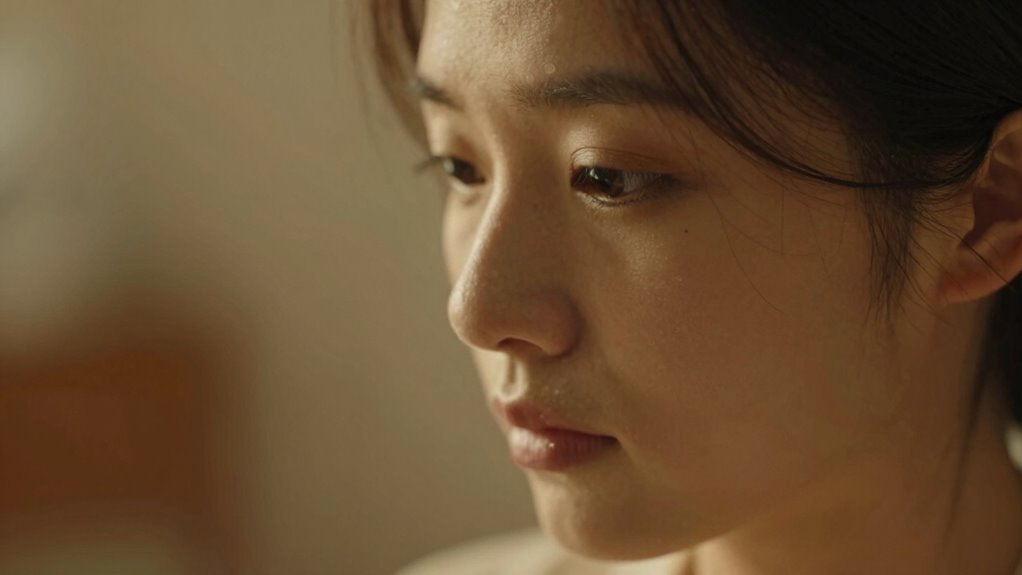

Choosing the right lens helps shape how your viewer perceives emotion, intimacy, and scale in your images. Wide-angle lenses exaggerate distance, creating a sense of vastness or chaos, while telephoto lenses compress space, fostering closeness or claustrophobia. Macro lenses focus on tiny details, highlighting textures and subtleties, and prime 85mm lenses isolate subjects for emotional connection. Understanding these effects allows you to craft images that evoke specific feelings and guide viewer engagement—if you look closer, you’ll discover more.

Get movie-night favorites delivered free — and shop member deals
- Fast, free delivery on millions of items
- Access to Prime Big Deal Days deals on October 6–7
- Prime Video, Amazon Music and more included
Key Takeaways
- Lens selection influences emotional tone by altering spatial relationships and perceived distance within the scene.
- Wide-angle lenses evoke a sense of vastness or chaos, enhancing feelings of awe or disorientation.
- Telephoto lenses create intimacy or claustrophobia by compressing space and focusing on distant subjects.
- Prime lenses with shallow depth of field isolate subjects, fostering emotional connection and closeness.
- Distortion effects from specific lenses, like fisheyes, can evoke humor, surrealism, or tension to influence mood.

The lens you choose can profoundly influence the mood, intimacy, and perceived scale of your photographs. When you pick a lens, you’re not just selecting a tool; you’re shaping how viewers experience your image. Different lenses manipulate depth perception, which directly impacts how engaging the photo feels. For example, a wide-angle lens exaggerates the distance between foreground and background, creating a sense of vastness or chaos. This can evoke feelings of awe or overwhelm, pulling viewers into a broad scene. Conversely, a telephoto lens compresses space, making distant objects appear closer together. This compression fosters a sense of intimacy or claustrophobia, depending on how you frame the shot. It’s a powerful way to guide viewer engagement, leading them to focus on specific details or emotions.
Your choice of lens also influences the emotional tone of your images. A portrait shot with a prime 85mm lens can produce a gentle blur on the background, isolating your subject and emphasizing their expression. This creates a feeling of closeness and connection, inviting viewers to engage more personally with the subject. On the other hand, using a fisheye lens introduces distortion that can evoke humor, surrealism, or tension, depending on your intent. The way a lens alters spatial relationships shapes not only the scene’s perceived scale but also the emotional response you aim to evoke. When you understand how different lenses manipulate depth perception, you can intentionally craft images that resonate more deeply with your audience. Understanding depth perception helps you select the right lens to evoke specific feelings and storytelling effects.
Furthermore, the scale of your scene, influenced by your lens choice, affects how viewers interpret your work. A wide-angle lens broadens the scene, giving a sense of environment and context, which can make viewers feel like they’re part of a larger story. A macro lens, however, zooms in on tiny details, transforming ordinary objects into focal points that demand close inspection. This shift in scale commands viewer attention and invites them to explore textures, patterns, and subtleties they might overlook otherwise. Recognizing the importance of spatial relationships allows you to better control the emotional impact of your images. Your lens selection becomes a storytelling tool, guiding the viewer’s eye and emotional journey through your composition. By understanding how each lens alters depth perception and scale, you can create images that not only capture scenes but also evoke specific feelings and levels of engagement. Your lens choice, in essence, becomes a conversation with your audience, shaping their emotional experience from the moment they view your work.
As an affiliate, we earn on qualifying purchases.
Frequently Asked Questions
How Does Lens Focal Length Influence Viewer Perception?
Your choice of lens focal length directly influences viewer perception by altering the scene’s scale and emotional impact. A wide-angle lens, with a shorter focal range, makes objects seem larger and more immersive, creating a sense of intimacy or chaos. Conversely, a telephoto lens compresses depth, making backgrounds appear closer and highlighting details. Lens color also affects mood, subtly guiding emotional responses based on the scene’s tone and atmosphere you want to convey.
What Role Does Depth of Field Play in Emotional Storytelling?
Depth of field acts as your emotional compass, guiding viewers’ focus like a spotlight. You use background blur to isolate your subject, creating an intimate connection or heightening tension. When you shallow the depth of field, you emphasize emotional focus, drawing viewers into the character’s feelings. Conversely, a deeper focus reveals the environment, adding context and mood. Mastering this tool lets you craft storytelling that resonates deeply with your audience.
Can Lens Choice Affect the Perceived Distance Between Subjects?
Yes, lens choice can affect the perceived distance between subjects. By using a wide-angle lens, you manipulate perspective, making close subjects appear larger and more separate from the background, which can heighten viewer engagement and emphasize their emotional connection. Conversely, a telephoto lens compresses space, bringing subjects closer together visually, which alters their perceived distance and influences how viewers emotionally relate to their relationship.
How Do Different Lens Types Impact Image Distortion?
Different lens types dramatically impact image distortion, with wide-angle lenses creating a funhouse mirror effect that exaggerates features, while telephoto lenses flatten and compress scenes. You’ll notice lens flare and color rendering vary, adding to the distortion’s character. Wide lenses often introduce distortion near the edges, making subjects look stretched or warped, whereas longer lenses minimize distortion, providing a more natural, true-to-life look.
What Is the Significance of Lens Aperture in Capturing Intimacy?
Your lens aperture plays a vital role in capturing intimacy by controlling depth of field. A wide aperture creates a blurred background, drawing viewers closer to the subject and fostering an emotional connection. This selective focus enhances viewer engagement, making the scene feel personal and immediate. By choosing the right aperture, you can emphasize the subject’s emotions and create a more powerful, intimate photograph that resonates deeply with your audience.
As an affiliate, we earn on qualifying purchases.
Conclusion
Choosing the right lens isn’t just about technicalities; it shapes how your audience feels and connects. Did you know that wide-angle lenses can make spaces seem 25% larger, intensifying a scene’s scale? By understanding how lens choices influence emotion and intimacy, you can craft visuals that truly resonate. So, next time you shoot, remember—your lens is your tool for storytelling, shaping perceptions and feelings with every frame.
macro lens for close-up photography
As an affiliate, we earn on qualifying purchases.
As an affiliate, we earn on qualifying purchases.
As an affiliate, we earn on qualifying purchases.
Halloween Picks
halloween
As an affiliate, we earn on qualifying purchases.