

Hobby spending is all about personal enjoyment and relaxation, often impulsive and aimed at collectibles or activities that bring you joy, with no expectation of financial return. Conversely, strategic film investment involves careful planning, market analysis, and evaluating audience engagement to maximize profit potential. You actively analyze market trends and distribution channels to make informed decisions. If you’re curious about how each approach differs in purpose and process, keep exploring to uncover more details.
Key Takeaways
- Hobby spending is driven by personal enjoyment without financial expectations, while film investments aim for profit and strategic returns.
- Hobby spending is often impulsive and enhances personal life; film investments involve careful market analysis and planning.
- Audience engagement in hobbies relates to community satisfaction; in film investment, it indicates project success potential.
- Hobby spending rarely offers measurable financial benefits; film investments require assessing market trends and profitability.
- Strategic film investments balance risk with potential long-term gains, unlike the primarily pleasure-focused nature of hobby spending.
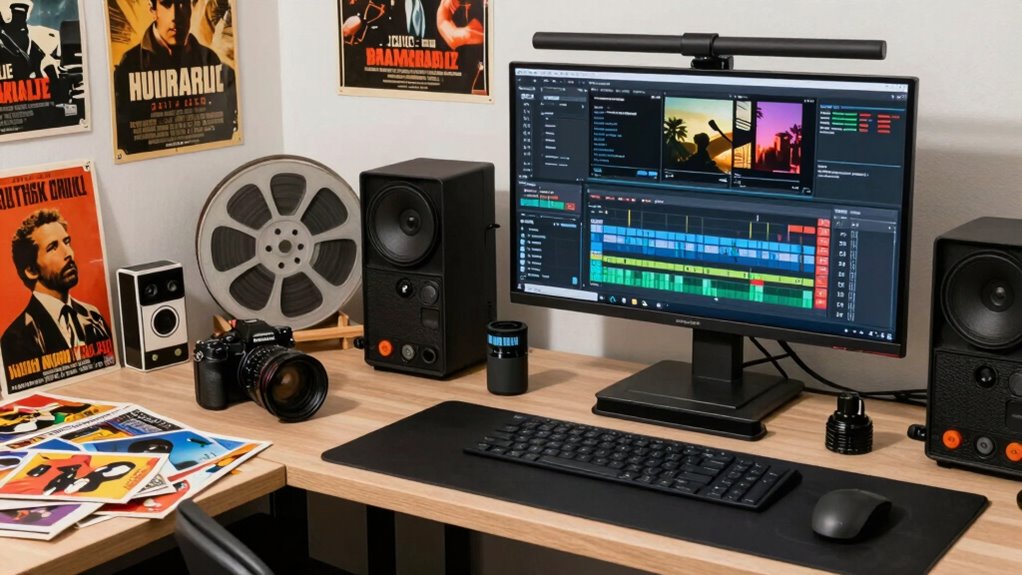
Hobby spending is typically driven by personal enjoyment, relaxation, or a sense of fulfillment. You might spend on collectibles, gadgets, or activities that bring you joy without expecting any financial return. It’s impulsive at times, and while it can enhance your quality of life, it rarely offers measurable financial benefits. Film investments, on the other hand, are strategic. They involve allocating funds into movies or related ventures with the aim of generating a return. You’re thinking about audience engagement, project profitability, and long-term financial gains. This shift from personal pleasure to potential profit makes film investments a more calculated risk, requiring careful assessment of funding sources and market dynamics.
Audience engagement plays a crucial role in both contexts but takes on different significance. In hobby spending, audience engagement is usually about your personal community—friends, online groups, or fellow enthusiasts who share your interests. You derive satisfaction from their appreciation or participation. Conversely, in film investment, audience engagement becomes a vital indicator of a project’s potential success. You analyze how audiences might respond, what kind of buzz it could generate, and whether it will attract enough viewers to turn a profit. This focus on engagement helps you evaluate the viability of your investment, guiding decisions about which projects to fund and how much to allocate. Additionally, understanding market dynamics and audience preferences is essential for making informed investment choices. Recognizing the importance of project planning and execution can further influence the success of your film ventures. Moreover, staying informed about industry trends and distribution channels is crucial for maximizing your project’s reach and profitability. Developing a thorough knowledge of audience analysis can significantly improve your ability to predict project success and tailor your strategies accordingly. Being aware of film financing options is also vital for structuring your investments effectively.
As an affiliate, we earn on qualifying purchases.
Frequently Asked Questions
How Do I Determine My Risk Tolerance for Film Investments?
To determine your risk tolerance for film investments, start with a thorough risk assessment. Consider your financial situation, investment goals, and how much loss you’re comfortable handling. You should also evaluate your understanding of the film industry and your ability to stick with long-term investment strategies. Knowing your risk appetite helps you choose projects that align with your comfort level, balancing potential returns against possible losses effectively.
What Are Common Pitfalls in Hobby Film Spending?
Don’t let passion cloud your judgment; hobby film spending often leads you astray. A common pitfall is neglecting creative budgeting, which can drain your resources quickly. You might focus too much on personal passion rather than profit, risking financial stress. Remember, balancing enthusiasm with smart planning helps avoid costly mistakes. Keep your eyes on the prize, and don’t let your love for filmmaking turn into a money pit.
How Does Tax Treatment Differ Between Hobbies and Investments?
You can’t deduct expenses from hobbies, but if your film activities qualify as investments, tax strategies become more favorable. Investment-related costs, such as equipment and research, may be considered deductible expenses, reducing your taxable income. To maximize benefits, keep detailed records and verify your activities meet IRS criteria for investment purposes. This distinction impacts how you handle expenses and plan your overall tax strategy.
Can Hobby Spending Turn Into Profitable Film Investments?
Imagine a seed planted in fertile ground—your hobby spending can grow into profitable film investments with creative budgeting and precise audience targeting. By nurturing your passion with strategic planning, you turn personal interest into a business venture. Focus on understanding your audience’s needs, allocate resources wisely, and watch your initial hobby blossom into a lucrative opportunity. With patience, your creative seeds will flourish into profitable films.
What Legal Considerations Exist for Film Investors?
As a film investor, you must prioritize legal compliance by adhering to securities laws and contractual obligations. You need to protect intellectual property rights, guaranteeing proper licensing and clear ownership arrangements. Consulting with legal professionals helps you navigate regulations, avoid infringement issues, and secure rights to scripts, music, and footage. Staying informed about legal considerations safeguards your investment and helps ensure your film project remains compliant throughout the production process.
movie industry market research tools
As an affiliate, we earn on qualifying purchases.
As an affiliate, we earn on qualifying purchases.
Conclusion
In your pursuit of film, remember the fine line between frivolous hobby spending and focused, fruitful film investment. By balancing bold budgeting with smart strategies, you can transform casual curiosities into calculated capital. Keep your choices clear, your goals grounded, and your passion purposeful. With deliberate decisions, you’ll discover the difference between fleeting fun and fulfilling finances. Let your film fascination flourish, fueled by focus, foresight, and a flair for financial finesse.
As an affiliate, we earn on qualifying purchases.
audience engagement analysis software
As an affiliate, we earn on qualifying purchases.
As an affiliate, we earn on qualifying purchases.