
The art of the long take in trailers immerses you in the story with unbroken shots that build suspense and authenticity. It draws you into scenes, making you feel part of the action instead of just observing. Through careful composition, lighting, and camera movement, it heightens emotional impact and creates a realistic experience. If you want to see how these seamless shots elevate trailers from simple previews to powerful storytelling tools, there’s more to discover ahead.
Key Takeaways
- The long take builds suspense and immerses viewers, transforming trailers into compelling visual stories.
- It enhances realism and emotional connection by providing sustained, uninterrupted scenes.
- Masterful use of composition, lighting, and movement conveys mood, tone, and narrative depth.
- Seamless camera work emphasizes deliberate pacing, making scenes feel authentic and immediate.
- The technique creates strategic emotional impact, leaving lasting impressions and increasing audience anticipation.
In modern trailers, the long take has become a powerful tool for building suspense and immersing viewers in the story. When executed effectively, it elevates the trailer from mere preview to a compelling piece of visual storytelling. Instead of relying on quick cuts and edits, a well-crafted long take draws you into a scene as if you’re right there, experiencing every moment firsthand. This technique allows you to absorb the atmosphere, emotions, and nuances of the story in a seamless flow, making the trailer more engaging and memorable. As a viewer, you’re not just passively watching; you’re invited into the world, feeling the tension and anticipation build naturally through the unbroken shot.
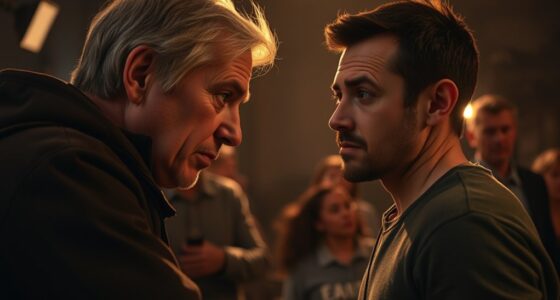
The beauty of the long take in trailers lies in its ability to heighten audience engagement. It challenges the conventional fast-paced editing style by offering a sustained, uninterrupted view that demands your attention. This sustained focus creates a sense of realism and immediacy, encouraging you to invest emotionally in what’s unfolding on screen. When you see characters move through a space or interact in real time, it fosters a deeper connection to the story, prompting you to ask questions and anticipate what comes next. This technique effectively bridges the gap between the trailer and the film itself, giving you a taste of the narrative’s depth and complexity.
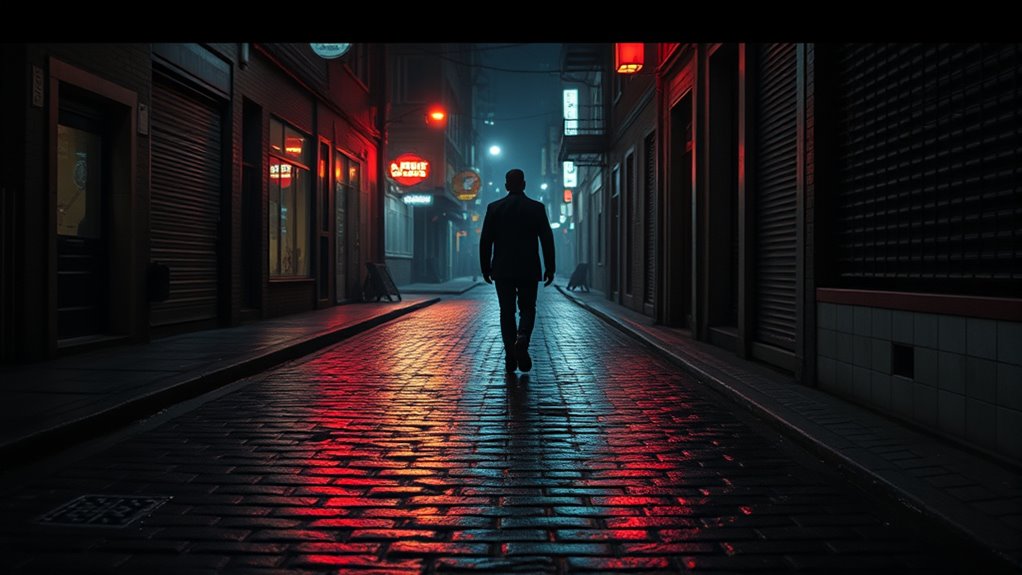
Furthermore, the use of the long take in trailers demonstrates a mastery of visual storytelling. It’s not just about showing the audience what happens but about conveying mood, tone, and stakes through the composition and movement within a single shot. Every element—lighting, camera angle, actor performance—works together to tell a story without interruption. As you watch, you’re guided through the scene with a sense of fluidity that makes the narrative feel more authentic and immediate. This deliberate pacing holds your attention longer and invites you to interpret the scene on a deeper level, increasing your anticipation for the full story. Incorporating camera movement techniques can further enhance the immersive quality of the long take, making it even more engaging.
Ultimately, the long take in trailers is a strategic choice that emphasizes immersive storytelling and audience engagement. It captures your attention through its technical precision and emotional resonance, turning a simple preview into an experience. When done right, it leaves a lasting impression, making you keen to see the film and experience the story in its full, unbroken form.
professional camera stabilizer
As an affiliate, we earn on qualifying purchases.
As an affiliate, we earn on qualifying purchases.
Frequently Asked Questions
How Do Long Takes Influence Audience Emotional Response?
Long takes draw you into the scene, heightening emotional immersion by making you feel like you’re right there with the characters. They build suspense, as you anticipate what’s coming next without quick cuts to distract you. This technique keeps your focus steady, intensifying your emotional response and making the moment more impactful. You become more engaged, feeling every nuance and tension as it unfolds naturally and uninterrupted.
What Equipment Is Necessary for Shooting Long Takes in Trailers?
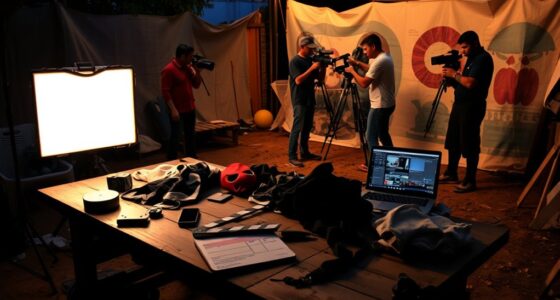
Ever wondered what gear you need for shooting long takes in trailers? You’ll want a camera stabilization system, like a gimbal or Steadicam, to keep movements smooth. Lens selection is vital—opt for versatile lenses that allow quick adjustments without changing equipment. High-quality cameras with good autofocus and battery life also help maintain continuity. Do you have these essentials ready? They’re key to capturing seamless, impactful long takes effectively.
How Do Directors Plan Long Takes for Seamless Transitions?
You plan long takes by carefully mapping out your cinematography planning and rehearsing actor choreography. You break down the scene into precise beats, ensuring camera movements align seamlessly with actors’ actions. You coordinate timing and technical aspects, like camera stops or shifts, during pre-production. On set, you execute with precision, maintaining focus on fluidity and timing, so the entire shot flows naturally without interruptions or noticeable cuts.
Are There Specific Genres That Benefit Most From Long Takes?
You’ll find that genres like drama, thriller, and horror benefit most from long takes because they enhance genre versatility and heighten the stylistic impact. Long takes immerse viewers, building tension or emotional depth without cuts. They work especially well in intense scenes or pivotal moments, allowing you to experience the story unfold naturally. This technique’s ability to create realism and maintain momentum makes it a powerful tool across diverse genres.
How Do Editing Techniques Complement Long Takes in Trailers?
Editing techniques complement long takes in trailers by maintaining visual continuity and enhancing pacing rhythm. You can use seamless cuts or subtle shifts to keep the audience engaged without breaking the flow. Strategic editing highlights key moments, building tension or excitement. By balancing these techniques, you guarantee the long take feels natural, immersive, and energizes the trailer’s overall impact, making viewers enthusiastic to see the full story unfold.
cinematic camera rig
As an affiliate, we earn on qualifying purchases.
As an affiliate, we earn on qualifying purchases.
Conclusion
Mastering the long take in trailers is like conducting a symphony—you set the rhythm and keep your audience enthralled. When done right, it pulls viewers into a seamless, immersive experience that feels like stepping through a window into the film’s soul. So, next time you craft a trailer, remember: a well-placed long take is your secret weapon, turning fleeting moments into a mesmerizing dance that leaves your audience enthusiastic for more.
lighting kit for filmmaking
As an affiliate, we earn on qualifying purchases.
As an affiliate, we earn on qualifying purchases.
camera movement accessories
As an affiliate, we earn on qualifying purchases.
As an affiliate, we earn on qualifying purchases.