Your lens choice impacts your camera’s performance just as much as its look. It influences sharpness, clarity, and overall image quality, especially in different lighting and environments. Wide apertures give you creative control over depth of field and low-light shooting. Durable, well-designed lenses ensure reliability during demanding shoots. By selecting the right lens, you can adapt quickly and achieve consistent results. Keep exploring to find out how choosing the perfect lens can elevate your photography even further.
Key Takeaways
- Lens specifications, such as aperture range and build quality, directly influence image sharpness and overall performance.
- Proper lens selection enhances versatility, allowing better adaptation to different lighting and environmental conditions.
- Durable, weather-sealed lenses ensure reliable operation in demanding outdoor or remote shooting scenarios.
- Wide aperture lenses offer greater creative control over depth of field and low-light performance.
- High-quality lenses maintain consistent image quality, reducing the need for post-processing and improving workflow efficiency.
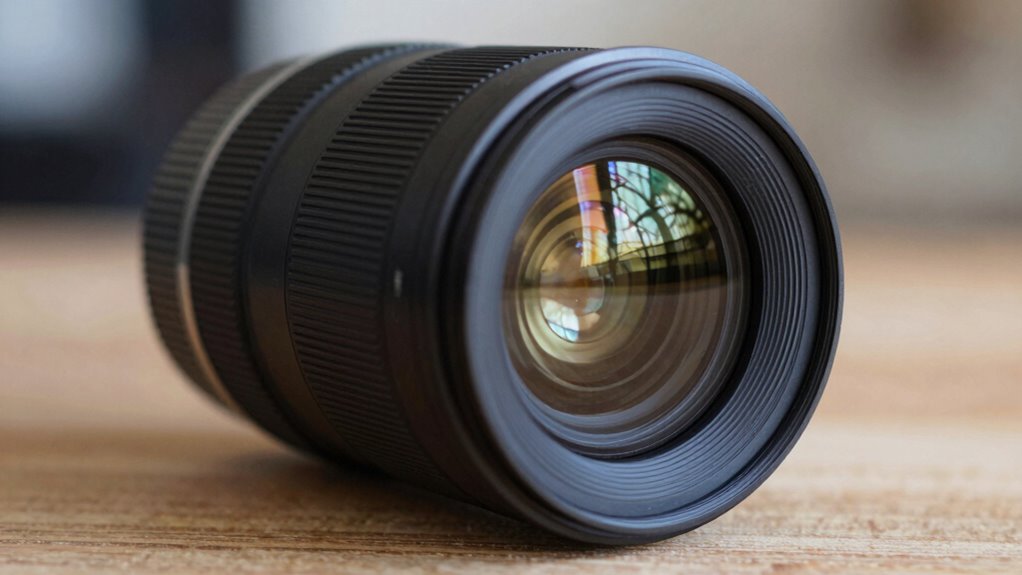
Your choice of lens can profoundly impact your photography’s outcome, shaping the sharpness, clarity, and overall quality of your images. But beyond aesthetics, the right lens influences how well you can adapt to different shooting conditions and how reliably your gear performs over time. Aperture flexibility is a key factor here. A lens with a wide maximum aperture, like f/1.4 or f/2.8, gives you the freedom to shoot in low light and achieve a pleasing background blur. This flexibility allows you to experiment with depth of field, making your images more dynamic and expressive. On the other hand, lenses with limited aperture options can restrict your creative control, forcing you to work around lighting conditions rather than shaping them to your vision. So, when choosing a lens, consider how its aperture range aligns with your typical shooting scenarios. Additionally, lens specifications such as aperture range and build quality play a crucial role in your overall shooting experience. A well-designed lens also contributes to maintaining consistent image quality across different conditions, which is essential for professional work. Furthermore, lens design and materials can influence how well the lens performs over time, especially in demanding environments.
Lens durability also plays a significant role in shaping your performance. A sturdy, well-built lens withstands the rigors of different environments—whether you’re shooting outdoors in unpredictable weather or traveling to remote locations. Durability isn’t just about weather sealing; it includes the quality of materials and construction, which determine how well the lens resists dust, moisture, and accidental bumps. Investing in a durable lens means you can focus on capturing moments without constantly worrying about damage or malfunction. Over time, this reliability ensures your gear maintains consistent performance, saving you money and frustration.
Moreover, the combination of aperture flexibility and lens durability influences your overall workflow. A versatile lens with a wide aperture allows you to adapt quickly to changing lighting conditions, minimizing the need for extra equipment or adjustments. Meanwhile, a durable lens reduces downtime caused by repairs or replacements, keeping your creative process smooth and uninterrupted. When you’re out shooting, these qualities give you confidence, letting you focus on composing compelling images instead of managing equipment concerns. Additionally, lens maintenance becomes easier and more effective with durable construction, prolonging the lifespan of your investment.
Ultimately, your lens choice affects more than just the look of your photos. It shapes how effectively you can respond to different situations, how much control you have over your creative process, and how dependable your gear is in the long run. By prioritizing aperture flexibility and lens durability, you set yourself up for consistent, high-quality results—empowering you to capture moments with clarity, precision, and confidence.
best wide aperture camera lenses
As an affiliate, we earn on qualifying purchases.
As an affiliate, we earn on qualifying purchases.
Frequently Asked Questions
How Do Lens Materials Affect Image Quality?
Lens materials directly impact image quality by influencing clarity and light transmission, which affect sharpness and color accuracy. When selecting a lens, you should consider sensor compatibility to guarantee peak performance. High-quality materials also enhance autofocus speed, helping you capture moments quickly without sacrificing image detail. Cheaper materials may cause distortions or softness, so investing in better lens elements ensures your photos are crisp, vibrant, and true to life.
What Role Does Aperture Size Play in Performance?
Aperture size plays a vital role in your camera’s performance because it offers aperture flexibility, allowing you to control how much light enters the lens. A wider aperture creates a shallow depth of field, making your subject stand out against a blurred background, while a smaller one increases depth of field, keeping more in focus. This control helps you adapt to different lighting conditions and desired artistic effects.
Are Certain Lenses Better for Low-Light Photography?
Yes, certain lenses are better for low-light photography, especially those with wider apertures like f/1.4 or f/1.8. You should also consider sensor compatibility, ensuring the lens suits your camera. Additionally, look for lenses with fast autofocus speed to quickly lock onto subjects in dim lighting. These features help you capture clear, sharp images in challenging lighting conditions, making your low-light shots much more successful.
How Does Lens Weight Impact Camera Handling?
Lens weight directly impacts camera handling by influencing ergonomics and balance. Heavier lenses can strain your hands and arms, leading to fatigue during extended shoots. This makes it harder to stabilize your camera, affecting shot quality. Lighter lenses improve handling, reduce fatigue, and enhance overall comfort. Choosing a lens with better ergonomics and balanced weight allows you to shoot longer without discomfort, ultimately improving your shooting experience and results.
Can Lens Coatings Improve Overall Image Sharpness?
You might think lens coatings only prevent glare, but they actually boost image clarity too. A good lens coating reduces reflections within the lens, minimizing flare and ghosting. This results in sharper, more vivid images. So, yes, investing in lenses with quality coatings can truly enhance your photos’ overall sharpness and detail, giving your shots that professional, crisp look you desire.
weather sealed professional camera lens
As an affiliate, we earn on qualifying purchases.
As an affiliate, we earn on qualifying purchases.
Conclusion
Just like the right lens can turn a blurry photo into a masterpiece, your choice of lens can make or break your performance. It’s not just about looks; it’s about how well you see and respond to your surroundings. By selecting the right lens, you’re sharpening your focus and boosting your potential. Remember, the perfect lens is like a trusted guide—helping you navigate and excel in every shot you take.
high durability prime lens for outdoor photography
As an affiliate, we earn on qualifying purchases.
As an affiliate, we earn on qualifying purchases.
As an affiliate, we earn on qualifying purchases.