
To master camera movements for building suspense, focus on combining techniques like smooth tracking alongside subtle zooms to follow characters or reveal critical details. Vary your speed to evoke urgency or hesitation and synchronize movements with emotional beats for maximum impact. Using layered motions such as zoom-outs can reveal threats and increase tension. Practice precise, natural movements that serve the story, and explore how blending these methods heightens viewer engagement—if you continue, you’ll discover even more ways to heighten suspense through camera work.
Key Takeaways
- Use dynamic tracking to follow characters and create a sense of immediacy during suspenseful moments.
- Vary camera speeds with acceleration or deceleration to evoke urgency or hesitation.
- Incorporate subtle zoom-ins to focus on emotional details, heightening viewer engagement.
- Combine tracking with zoom-out to reveal scope and increase tension during revelations.
- Synchronize camera movements with emotional beats for maximum suspense and narrative impact.
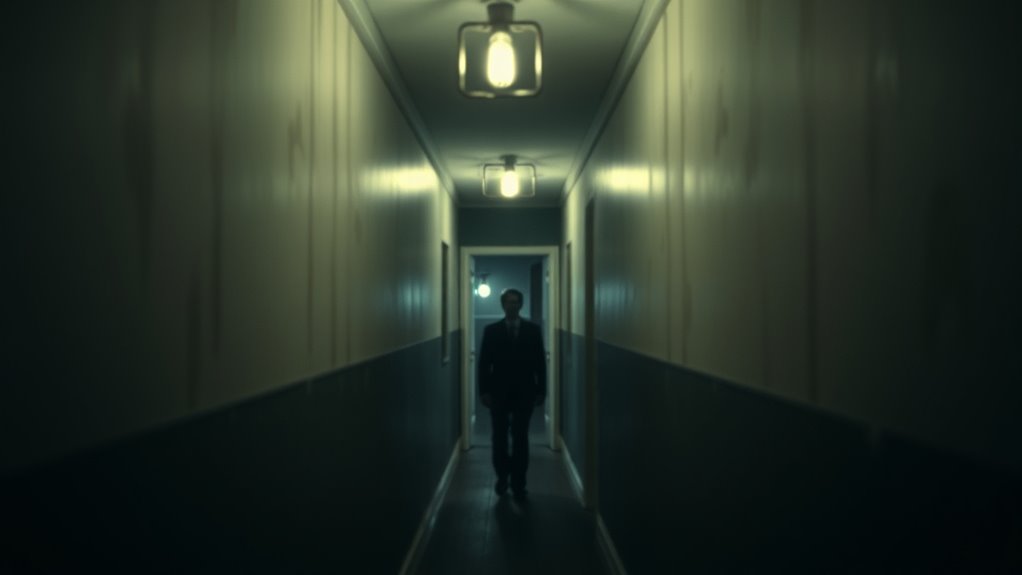
Mastering camera movements is essential for creating dynamic and engaging visuals. When you want to build suspense, movement can guide your audience’s emotions and focus, making scenes feel tense and unpredictable. One effective technique is dynamic tracking, where you move the camera smoothly alongside your subject, following their actions or reactions. This movement immerses viewers in the scene, making them feel like they’re right there with your characters. To heighten suspense, consider speeding up or slowing down the tracking, creating a sense of urgency or hesitation. For example, a swift follow shot can intensify a chase, while a slow, deliberate movement can evoke dread or anticipation. Subtle zooms are another powerful tool in your arsenal. Instead of abrupt cuts, a slight zoom-in can gradually draw attention to a character’s face, revealing their emotions and hinting at something significant about to happen. Conversely, a gentle zoom-out can widen the scene, revealing a growing threat or expanding context that increases tension. Incorporating these subtle zooms allows you to manipulate the viewer’s focus without breaking the flow of the scene, maintaining a sense of continuity while amplifying suspense. When you combine dynamic tracking with subtle zooms, you create a layered visual narrative that keeps your audience engaged and on edge. For instance, as a character walks through a dark corridor, a slow tracking shot followed by a slight zoom-in on their face can amplify feelings of vulnerability or fear. Alternatively, during a moment of revelation, pulling back with a zoom-out can reveal the scope of danger or the extent of deception, heightening the scene’s impact. The key is in the timing and execution—your movements should feel natural, not overly staged, to maintain authenticity. Practice coordinating your camera’s speed and direction with the emotional beats of your story. Remember, the goal isn’t just to move the camera for movement’s sake but to serve the narrative. Thoughtful use of dynamic tracking and subtle zooms can subtly manipulate your audience’s perception and emotional response, making your scenes more suspenseful and compelling. Additionally, understanding key traits of successful camera operators, such as attention to detail and analytical thinking, can significantly enhance your ability to craft effective suspenseful scenes. When used skillfully, these techniques turn simple camera movements into powerful storytelling devices that heighten tension and keep viewers hooked from start to finish.
camera stabilizer gimbal for filmmaking
As an affiliate, we earn on qualifying purchases.
As an affiliate, we earn on qualifying purchases.
Frequently Asked Questions
How Do Camera Movements Influence Viewer Emotions?
Camera movements directly shape your emotional response by enhancing visual storytelling. When you use slow, smooth pans, you create a sense of calm or anticipation; quick, erratic shots build tension or chaos. By carefully choosing movements, you influence how viewers feel, making the scene more immersive and impactful. These techniques help you evoke specific emotions, strengthening the emotional impact and drawing your audience deeper into the story.
Which Camera Movements Are Best for Building Suspense?
Did you know that dynamic framing and rhythmic panning are proven to heighten suspense? You should use these camera movements to keep viewers on edge; dynamic framing creates visual tension by shifting perspectives unpredictably. Rhythmic panning, moving smoothly yet purposefully, builds anticipation. When combined, these techniques immerse your audience, making every moment feel more intense and suspenseful, compelling them to stay engaged and enthusiastic to see what happens next.
How Can Camera Movements Be Combined Effectively?
You can combine camera movements effectively by using dynamic framing with innovative angles to enhance suspense. For example, start with a slow pan or tilt to establish tension, then quickly switch to an unconventional angle like a low or high shot to surprise viewers. Moving the camera smoothly while shifting perspectives keeps the audience engaged and heightens suspense, making your scenes feel more intense and unpredictable.
What Are Common Mistakes to Avoid With Camera Movements?
You should avoid excessive camera shake, which can distract viewers and reduce suspense. Be cautious with zooming techniques; overusing zooms can feel abrupt or gimmicky. Smooth, deliberate movements help maintain tension, so practice steady pans and subtle zooms. Also, don’t forget to plan your camera movements in advance to prevent unintended jerks or awkward angles that could break immersion and lessen the suspense you’re trying to build.
How Do Different Genres Utilize Camera Movements to Create Suspense?
In every genre, camera movements create suspense that makes your heart race and your stomach tighten! Horror uses sharp, jarring movements combined with eerie lighting and creepy sound design to keep you on edge. Thrillers employ slow, creeping shots with dim lighting and tense soundscapes that build anticipation. Action films explode with rapid, chaotic movements, intensified by dramatic lighting and thunderous sound design. Your choices in lighting and sound design amplify these movements, pulling viewers deeper into suspenseful worlds.
As an affiliate, we earn on qualifying purchases.
Conclusion
By mastering camera movements, you can create intense suspense that keeps viewers on the edge of their seats. For example, imagine a tense chase scene where a slow, creeping dolly shot gradually reveals the pursuer’s proximity, heightening anxiety. When you thoughtfully combine techniques like tracking and tilt shots, you control the audience’s emotions and build anticipation effectively. Keep experimenting with these movements, and you’ll craft scenes that captivate and thrill every time.
As an affiliate, we earn on qualifying purchases.
As an affiliate, we earn on qualifying purchases.