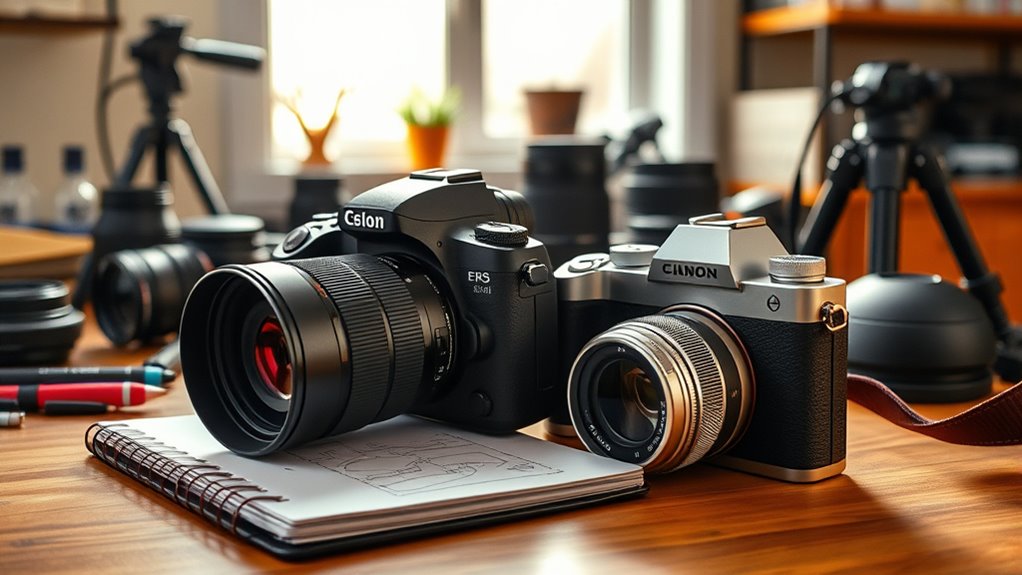

When choosing the right camera for fan films, focus on balancing stabilization, lens options, and your budget. A camera with good built-in stabilization or compatibility with external stabilizers helps achieve smooth shots. Select lenses that match your storytelling style, like wide-angle for immersive scenes or telephoto for distant shots. Opt for gear that suits your needs and creative vision to create high-quality, engaging footage. Keep exploring to discover which equipment best supports your filmmaking goals.
Key Takeaways
- Prioritize stabilization features or use external stabilizers to ensure smooth, professional-looking footage.
- Match your camera type (mirrorless, DSLR, or professional) to your budget and shooting needs.
- Select lenses that support your storytelling style, such as wide-angle for immersive scenes or telephoto for distant shots.
- Consider camera resolution and low-light performance to enhance image quality for different filming conditions.
- Balance technical specs with creative goals to choose equipment that best conveys your fan film’s tone and atmosphere.
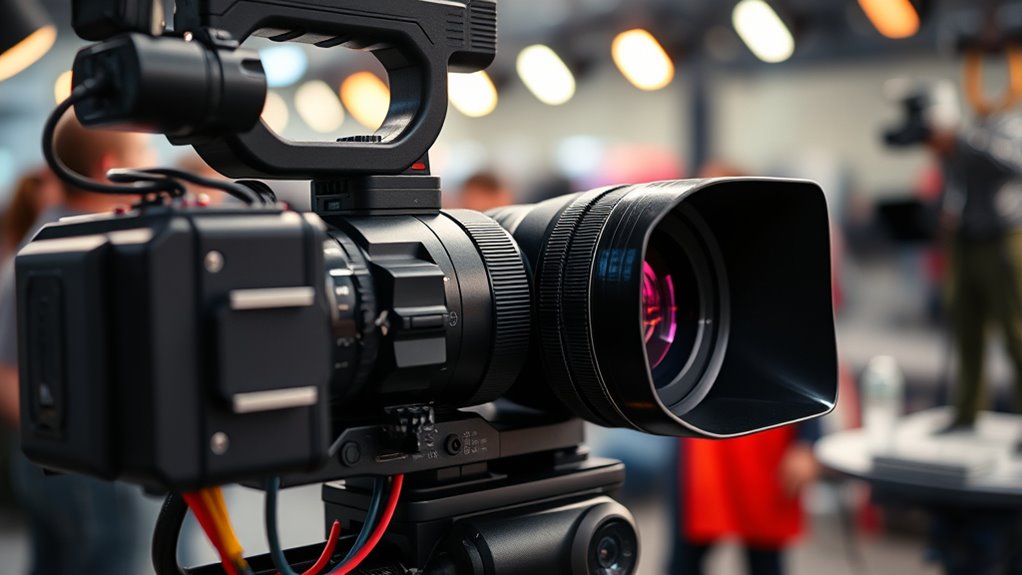
Creating a compelling fan film starts with choosing the right camera, as your gear directly impacts the visual quality and storytelling. The camera you select sets the tone for how your story will be perceived, so it’s essential to consider features like camera stabilization and lens selection carefully. Stability is crucial for delivering smooth, professional-looking shots, especially if you plan to do handheld filming or dynamic scenes. Look for cameras with built-in stabilization or invest in gimbals and steadicams to keep your footage steady and polished. Shaky footage can distract viewers and undermine the credibility of your film, so prioritize equipment that minimizes shake and jitter, giving your scenes a seamless, cinematic feel.
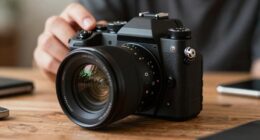
Choosing the right camera with stabilization is essential for smooth, professional-looking fan films.
Lens selection is equally vital because it influences the mood, depth, and focus of your shots. Different lenses can drastically change how your scenes are perceived, so think about the story you want to tell. Wide-angle lenses are great for establishing shots and immersive action scenes, providing a broad perspective that pulls viewers into the environment. Telephoto lenses allow you to capture distant subjects with clarity and create a sense of intimacy or isolation, depending on your intent. Prime lenses often offer sharper images and wider apertures, which are perfect for low-light situations and achieving a beautiful background blur, or bokeh. Zoom lenses, on the other hand, provide versatility, letting you switch focal lengths quickly without changing lenses, saving time and effort during shoots.
Your choice of camera stabilization and lenses should align with your film’s style and logistical needs. If you’re working solo or on a tight budget, compact mirrorless cameras with good stabilization and versatile lens options can deliver impressive results without breaking the bank. For more elaborate scenes, consider professional-grade cameras that offer superior stabilization features and a wide array of lens choices to match every shot’s requirement. Remember, the right combination of stabilization and lens selection can make or break your film’s visual impact, helping you craft smooth, dynamic scenes that captivate your audience.
In the end, selecting a camera isn’t just about specs; it’s about understanding how your gear will serve your storytelling goals. Prioritize stability features to keep your footage steady and choose lenses that enhance your narrative’s emotional tone. With thoughtful gear choices, you’ll be able to produce a fan film that looks professional, engaging, and true to your creative vision.
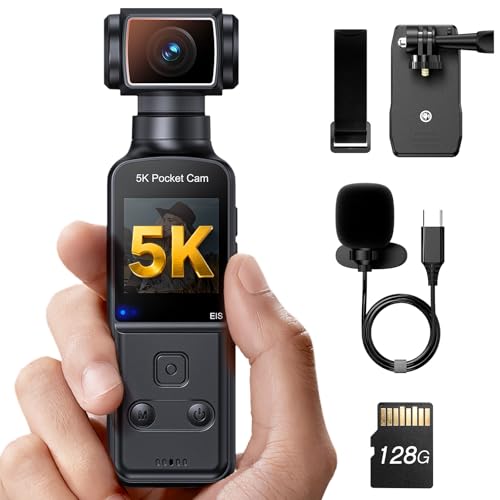
Losfom 5K Body Camera with Audio, 270° Rotating Lens, External Mic, and EIS Stabilization – 4K/60FPS Z14 Vlogging Camera for Daily Recording and Personal Record (128GB)
5K/15FPS & Smooth 4K/60FPS—Capture Every Detail: Record your world with this 4K body camera, or switch to ultra-smooth…
As an affiliate, we earn on qualifying purchases.
As an affiliate, we earn on qualifying purchases.
Frequently Asked Questions
How Do Camera Sensors Impact Fan Film Quality?
Camera sensors directly impact your fan film quality by affecting image resolution and overall clarity. A larger sensor captures more light, resulting in better low-light performance and a richer depth of field. Higher image resolution ensures sharper visuals, making your scenes look professional. You should consider sensor size and resolution when choosing your camera, as they determine how well your footage will stand out and how true-to-life your visuals will appear.
What Lens Options Are Best for Low-Budget Fan Films?
For low-budget fan films, you want versatile lenses like a 50mm prime or a kit zoom lens, which offer lens versatility and are budget friendly options. These lenses let you shoot a variety of shots without needing multiple lenses. Consider used or older models to save money, and look for lenses with wide apertures for better low-light performance, ensuring you get the best quality without breaking the bank.
How Important Is Audio Recording Gear in Camera Selection?
Audio recording gear is the backbone of your fan film’s clarity, like roots supporting a tree. You need good audio accessories and a quality microphone because poor sound can drown out great visuals. Camera choice is essential, but without clear, crisp audio, your audience won’t stay engaged. Prioritize your microphone quality to guarantee dialogue sounds natural and immersive, making your film more professional and compelling.
Can Smartphone Cameras Be Suitable for Professional Fan Films?
Smartphone cameras can be suitable for fan films if you work around their limitations. You’ll need to invest in creative lighting to improve image quality, as smartphones often struggle in low-light situations. Use external lenses and stabilizers for better shots, and plan your scenes to maximize natural light. While not ideal for high-budget productions, smartphones can work well for passionate projects with careful planning and creative techniques.
How Does Camera Stabilization Affect Fan Film Production?
Camera stabilization is vital for your fan film, as it guarantees steady shots and enhances movement smoothness. When your camera stays stable, viewers can focus on the story instead of distractions caused by shaky footage. Using gimbals, tripods, or stabilizers helps maintain this stability, making scenes look more professional. Good stabilization techniques will elevate your production quality, giving your fan film a polished, cinematic feel that captivates your audience.
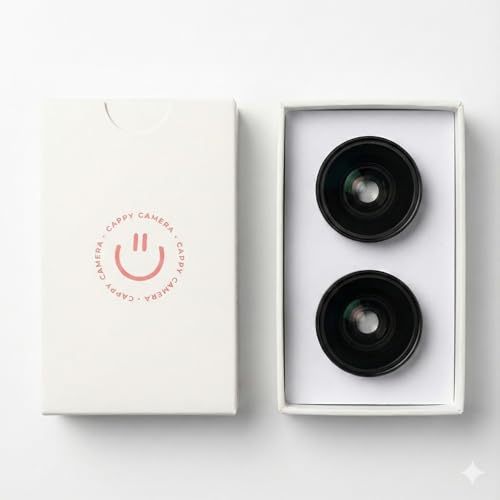
Cappy Camera – Bezel Screw-On Lens Set for Retro Digital Camera – Wide-Angle & Fisheye Add-On for Y2K, Vintage, Aesthetic & Film Look Screen-Free Minimalist Digital Experience
Cappy Camera Lens, Tool-Free: Engineered as a Cappy Camera lens upgrade, this screw on lens attaches to the…
As an affiliate, we earn on qualifying purchases.
As an affiliate, we earn on qualifying purchases.
Conclusion
Think of choosing your camera as picking the perfect brush for your masterpiece. Each option, like a brushstroke, adds depth and character to your fan film. Trust your instincts, experiment with different tools, and embrace the journey. With patience and passion, your camera becomes an extension of your vision, painting a story that resonates. Remember, it’s not just the equipment—it’s your passion that transforms every frame into something unforgettable.

Canon EF 75-300mm f/4-5.6 III Telephoto Zoom Lens for Canon SLR Cameras
75-300 millimeter telephoto zoom lens with f 4-5.6 maximum aperture for Canon SLR cameras
As an affiliate, we earn on qualifying purchases.
As an affiliate, we earn on qualifying purchases.
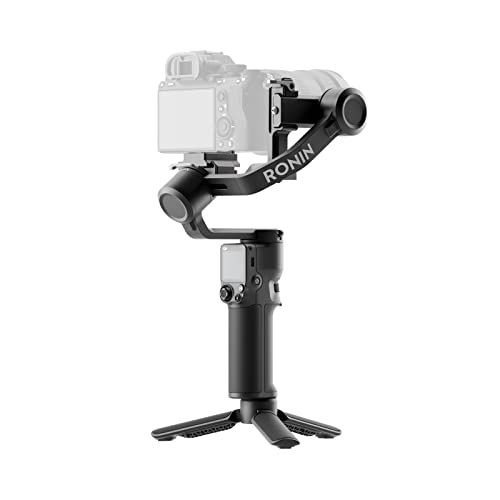
DJI RS 3 Mini, 3-Axis Gimbal Stabilizer for Cameras Canon/Sony/Panasonic/Nikon/Fujifilm, 2 kg (4.4 lbs) Tested Payload, Camera Gimbal with Native Vertical Shooting, Black
795g (1.75lbs) Lightweight and Portable – DJI RS 3 Mini is an ultra-compact gimbal stabilizer for camera convenient…
As an affiliate, we earn on qualifying purchases.
As an affiliate, we earn on qualifying purchases.