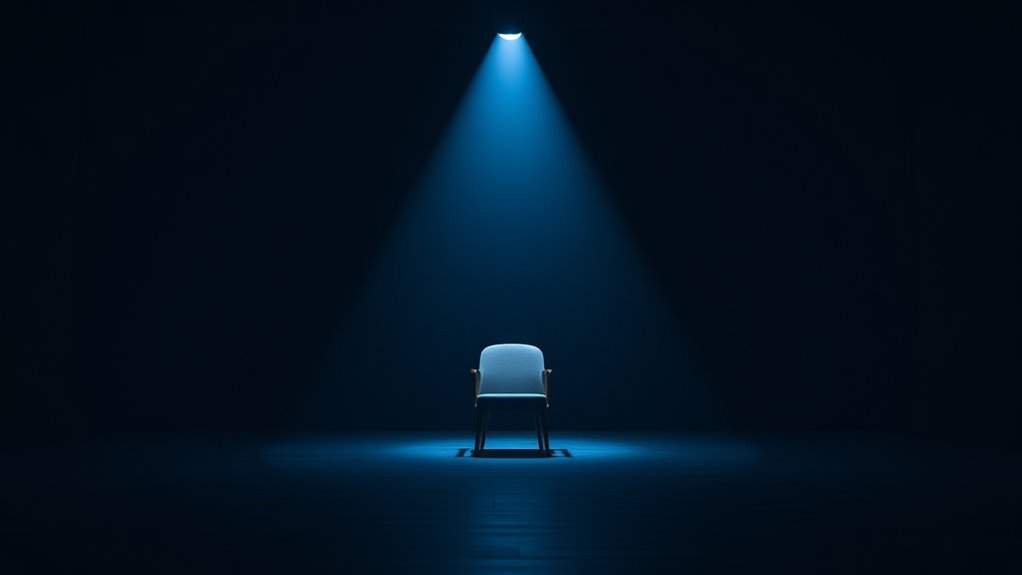

Using silence as a dramatic device in teasers lets you create tension and intrigue without relying on words. By carefully timing pauses, you can build anticipation and tap into viewers’ subconscious, encouraging them to fill in the gaps. Visual minimalism combined with subtle sound cues heightens emotions and focus. When you master how and when to break silence, you shape perception and amplify suspense. Stay tuned to discover more ways silence amplifies emotional impact and engagement.

Get movie nights delivered free — and shop member deals
- Fast, free delivery on millions of items
- Access to Prime Big Deal Days deals on October 6–7
- Prime Video, Amazon Music and more included
Key Takeaways
- Silence creates anticipation by withholding information, prompting viewers to fill in the narrative gaps.
- Strategic pauses heighten tension during key moments, emphasizing emotional or plot twists.
- Silence evokes subconscious responses, allowing audience imagination and engagement to deepen.
- Contrasting silence with subtle sounds or sharp noises highlights important reveal points.
- Visual minimalism combined with silence directs focus and amplifies emotional impact effectively.
Silence can be one of the most powerful tools in a teaser’s arsenal, creating anticipation and intrigue without uttering a word. When you harness silence effectively, you tap into the subconscious, allowing your audience’s imagination to fill in the gaps. This technique relies heavily on sound symbolism—the subtle association of sounds with emotions or ideas—and visual minimalism, where less is more. By stripping away unnecessary noise, you direct focus, evoke curiosity, and set the tone for what’s to come. Additionally, understanding the importance of storage conditions, such as keeping visuals clear and simple, can enhance the impact of minimalistic design. In your teasers, using silence isn’t merely about absence; it’s about strategic restraint. Pausing at key moments allows tension to build naturally. When a teaser halts at just the right time, without background noise or voiceovers, you create a vacuum of expectation. The audience begins to interpret the silence, projecting their own fears, hopes, or questions. This is where sound symbolism plays a vital role—certain silent cues, like a lingering shot or a still frame, can suggest danger, beauty, or mystery without a single word. The absence of sound becomes a language, communicating emotions that words often fail to capture. Visual minimalism complements this approach perfectly. Instead of cluttered scenes or over-the-top effects, you focus on simple, clean visuals that evoke emotion and intrigue. Think of a lone figure in a vast, empty space or a close-up of an object with no context. These visuals, combined with silence, allow viewers to fill in the narrative themselves, heightening their engagement. The less you show, the more they imagine, and that imagination fuels their desire to learn more. Using silence as a dramatic device also means being deliberate about when and how you break it. After a prolonged pause, a subtle sound—or a sudden, sharp noise—can jolt viewers, emphasizing a reveal or a twist. This contrast amplifies the emotional impact and keeps viewers on the edge of their seats. Remember, in a teaser, the power lies not just in what’s shown or heard, but in what’s deliberately left out. Silence becomes an active tool, shaping perception and emotion. Mastering the art of silence also involves understanding how expiration dates and storage conditions can influence the longevity of visual and audio content, ensuring that the impact remains fresh and effective. Recognizing the importance of visual clarity in maintaining audience engagement is essential for creating teasers that resonate. Furthermore, leveraging minimalist design principles can enhance the overall effectiveness of your silent cues. Being aware of how content preservation impacts the durability of your media ensures your message retains its potency over time. Ultimately, mastering silence in teasers requires restraint and precision. When combined with sound symbolism and visual minimalism, it offers a potent way to tease, hint, and intrigue. You don’t have to say much; sometimes, saying nothing is enough to spark curiosity and leave a lasting impression.
minimalist video editing lighting
As an affiliate, we earn on qualifying purchases.
As an affiliate, we earn on qualifying purchases.
Frequently Asked Questions
How Does Silence Build Suspense Without Dialogue?
Silence builds suspense by heightening emotional tension and keeping viewers on edge. Without dialogue, it draws attention to visuals, sound effects, and pacing, making each moment more impactful. You feel the weight of unspoken fears or anticipation, which increases viewer engagement. Silence allows your mind to fill in the gaps, creating a sense of mystery and urgency that keeps you hooked, enthusiastic to see what unfolds next.
What Are Common Mistakes When Using Silence in Teasers?
You might fall into common mistakes when using silence, like overusing pitfalls that dull the tension or misjudging timing, which can lead to confusion rather than intrigue. If silence drags on too long, it loses its impact, making viewers restless instead of captivated. Be precise with your pauses—use them strategically to heighten suspense, but avoid overdoing it or misjudging the moment, which risks breaking the emotional rhythm.
Can Silence Be Effective Across Different Genres?
You might wonder if silence works across different genres. It definitely can, thanks to its genre versatility, adding tension or mystery where needed. Your audience perception can be shaped by well-placed silence, making scenes more impactful regardless of genre. When used intentionally, silence becomes a powerful tool that enhances storytelling, drawing viewers in and making key moments memorable across drama, thriller, horror, or even comedy.
How Long Should a Silence Pause Last for Maximum Impact?
When you ask how long a silence pause should last for maximum impact, you’re focusing on timing precision and audience anticipation. Generally, a pause of about 2-4 seconds works well, giving enough space to build tension without losing engagement. Pay attention to the scene’s rhythm and your audience’s reactions, adjusting the silence length accordingly. A well-timed pause heightens anticipation and leaves a lasting impression.
Are There Cultural Considerations When Using Silence in Teasers?
When considering silence in teasers, you should think about cultural interpretations and audience expectations. Different cultures may interpret silence differently—what’s impactful in one might be confusing or uncomfortable in another. You need to tailor your use of silence accordingly, ensuring it resonates well with your target audience. By understanding these cultural nuances, you can craft teasers that evoke the intended emotions without miscommunication or unintended offense.
sound design tools for filmmakers
As an affiliate, we earn on qualifying purchases.
As an affiliate, we earn on qualifying purchases.
Conclusion
By mastering silence in your teasers, you create tension that hooks your audience instantly. Did you know that 85% of viewers remember a teaser better when it uses strategic silence? It’s a powerful tool that builds curiosity and amplifies emotion without a single word. So, next time you craft a teaser, embrace silence—it might just be the secret ingredient to leaving your audience enthusiastic for more. Silence truly speaks volumes.
As an affiliate, we earn on qualifying purchases.
visual minimalism film accessories
As an affiliate, we earn on qualifying purchases.
As an affiliate, we earn on qualifying purchases.
Fall Picks
fall essentials
As an affiliate, we earn on qualifying purchases.