

Giving credit to creators isn’t enough to avoid copyright issues because it doesn’t provide legal protection or permission. Copyright law is complex, and simply citing a source doesn’t grant rights or prevent infringement claims. Relying only on acknowledgment ignores the need for proper licenses or understanding fair use boundaries. To truly protect yourself, it’s important to learn about legal options—continue exploring to understand how to navigate these rules effectively.
Key Takeaways
- Giving credit acknowledges creators but does not grant legal permission for use or reproduction.
- Copyright law involves specific rights that credit alone cannot fulfill or replace.
- Fair use has boundaries; acknowledgment does not automatically qualify as legal use.
- Licensing agreements explicitly define permitted use, which credit alone cannot ensure.
- Relying solely on acknowledgment risks legal action if proper permissions or licenses are absent.
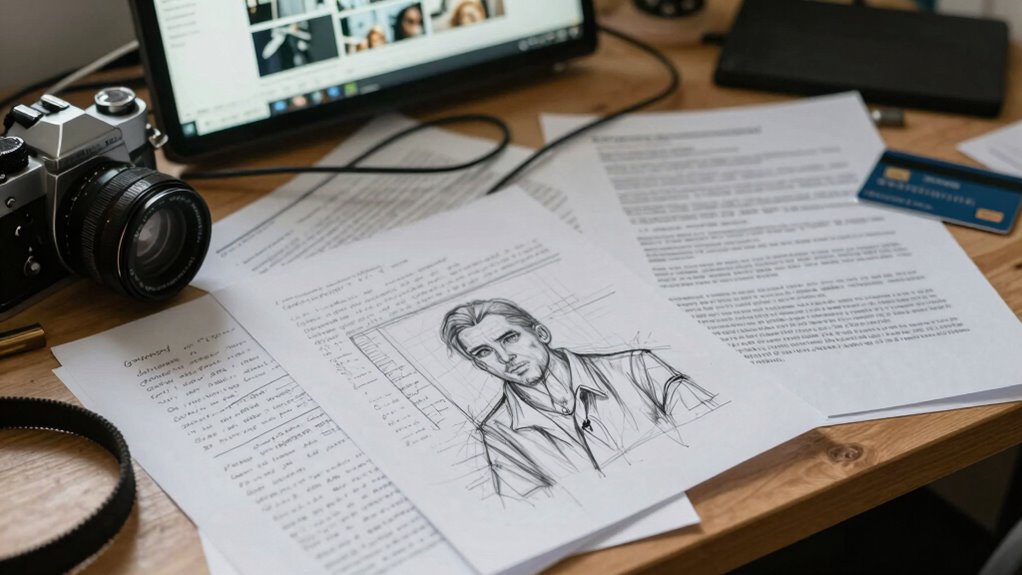
Have you ever thought that simply giving credit is enough to resolve copyright issues? Many believe that acknowledging the original creator is sufficient, but in reality, it’s just one piece of a much larger puzzle. Copyright law is complex, and giving credit alone doesn’t protect you from legal trouble or infringement claims. Instead, understanding concepts like fair use and licensing agreements is essential. These legal frameworks help determine when and how you can use someone’s work without infringing on their rights. Fair use, for instance, allows limited use of copyrighted material for purposes like commentary, criticism, or education, but it’s not a free pass. The boundaries of fair use are often blurry, and courts consider factors such as the purpose of use, the amount used, and the effect on the market. Relying solely on the label of “fair use” without proper understanding can lead to disputes, especially if your use crosses into commercial territory or reproduces a substantial portion of the original work. Additionally, the contrast ratio of a projector significantly impacts how well dark and bright scenes are rendered, which is crucial for creating an immersive viewing experience. Understanding the complexity of copyright law can help navigate these challenges more effectively. Recognizing the importance of legal frameworks in content use is vital for avoiding infringement. When you understand the scope of licensing, you can better assess what permissions are necessary for your projects. Licensing agreements are another critical element that go beyond just giving credit. When you obtain a license, you’re entering into a legal contract that explicitly grants you permission to use copyrighted material under specific conditions. These agreements clearly define what’s allowed and what’s not, removing ambiguity and reducing the risk of infringement. Simply citing the source doesn’t automatically grant you these rights; you need to secure the appropriate license if the use isn’t covered by fair use or other exceptions. Many creators and rights holders prefer licensing agreements because they provide legal certainty and control over how their work is used. Ignoring these agreements or assuming that acknowledgment alone suffices can expose you to legal action, fines, or the loss of your project. In essence, giving credit is respectful and often necessary, but it’s not a legal safeguard. To truly respect intellectual property rights and avoid copyright problems, you must understand and utilize the legal tools available—namely fair use and licensing agreements. Recognizing the difference between acknowledgment and legal permission is crucial. It’s not enough to hope that a simple citation will shield you from liability; you need to actively ensure your use aligns with legal standards and other relevant regulations. When in doubt, seek proper licensing or consult legal guidance to navigate these issues confidently. Only then can you truly respect creators’ rights and stay clear of copyright complications.
As an affiliate, we earn on qualifying purchases.
Frequently Asked Questions
Can Credits Legally Replace Licensing or Permission for Copyrighted Material?
Credits can’t legally replace licensing or permission for copyrighted material. Many believe in credit myths, thinking attribution alone suffices, but that’s an attribution misconception. Legally, using copyrighted content requires explicit permission or licensing, regardless of whether you give credit. Simply attributing the work doesn’t grant rights or immunity from copyright laws. You must obtain proper authorization to avoid infringement, as credits are just acknowledgment, not legal clearance.
Do Credits Protect Creators From Copyright Infringement Claims?
Credits alone don’t protect creators from copyright infringement claims. Studies show that over 60% of legal disputes involve improper attribution or lack of clear licensing. Creative attribution and moral acknowledgment are important, but they don’t replace legal permissions. Without proper licensing, credits won’t shield you from legal action. To truly protect your work, you must secure the necessary rights, as attribution alone isn’t a legal safeguard.
How Do Fair Use Policies Interact With Credit Requirements?
Fair use limitations often influence how you meet attribution standards; simply giving credit isn’t enough. When you rely on fair use, you must consider factors like the purpose, amount, and effect on the market. Proper attribution can support your fair use claim, but it doesn’t guarantee protection. So, you should understand that fair use policies interact with credit requirements by requiring careful evaluation of how and when you attribute to avoid infringement.
Are There Specific Industries Where Credits Are More Effective?
In some industries like publishing, journalism, and academia, credits are more effective because they align with established industry practices and cultural norms. These sectors rely heavily on attribution to maintain credibility and uphold ethical standards. By giving proper credit, you respect intellectual property rights and foster trust. However, in other fields like digital art or music, credits alone often fall short, requiring additional legal safeguards to protect creators’ rights.
What Are the Legal Consequences of Neglecting Proper Attribution?
Neglecting proper attribution can lead to serious legal consequences, including fines and lawsuits. Studies show that over 60% of copyright infringement cases involve attribution myths, revealing misunderstandings about credit limitations. You might think giving credit is enough, but incomplete attribution can still breach copyright laws. Ignoring proper attribution risks legal penalties and damages, so always guarantee your credits are accurate and thorough to avoid unintended violations.
As an affiliate, we earn on qualifying purchases.
Conclusion
Relying solely on credits is like counting on a single thread to hold a tapestry—fragile and insufficient. While giving credit acknowledges creators, it doesn’t shield their work from misuse or infringement. To truly protect originality, you need a sturdy net of legal frameworks and ethical practices. Without this, the delicate fabric of creativity remains vulnerable, and the true artistry risks unraveling beneath the weight of neglect. Protecting creativity demands more than just a nod; it demands active safeguarding.
copyright license agreement template
As an affiliate, we earn on qualifying purchases.
As an affiliate, we earn on qualifying purchases.
As an affiliate, we earn on qualifying purchases.