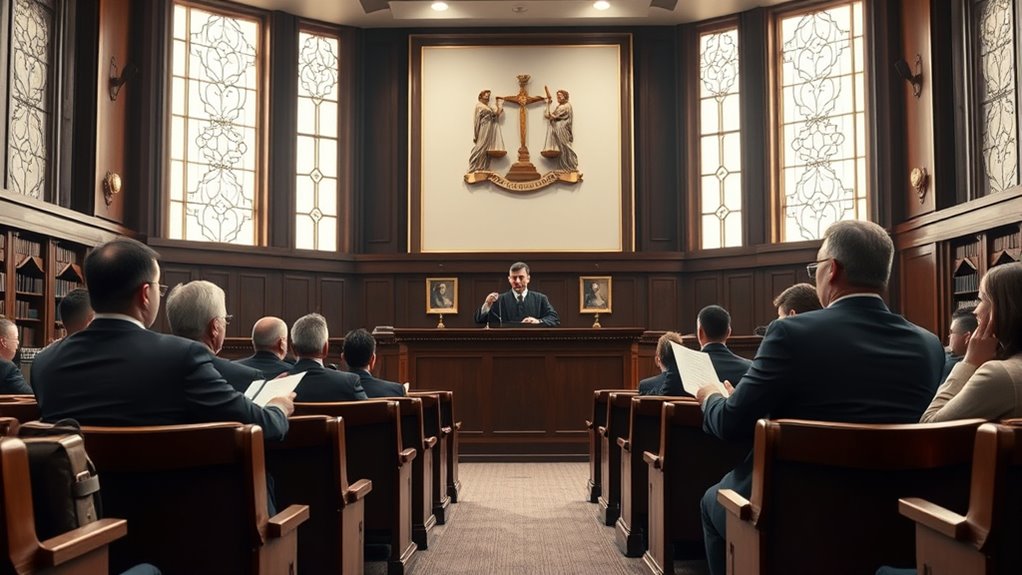

Legal cases have reshaped how trailer content is produced and protected, emphasizing copyright laws and fair use. You might not realize that disputes over clips, music, or images have led filmmakers to seek clearer licenses and adopt more cautious practices. Court rulings now influence what can be included and how content is used, pushing brands to respect intellectual property. To learn about key cases that have transformed trailer creation, keep exploring this important legal landscape.
Key Takeaways
- Legal disputes over copyright infringement have led to stricter guidelines for trailer content creation and distribution.
- Court rulings on fair use have clarified when brief clips or images in trailers may be legally permissible.
- Notable cases have emphasized the need for explicit licensing agreements rather than relying on promotional claims of fair use.
- Legal decisions have prompted the industry to adopt more cautious trailer practices, including reworking footage and limiting clip lengths.
- These cases have established industry standards, promoting responsible use of copyrighted material in trailers.
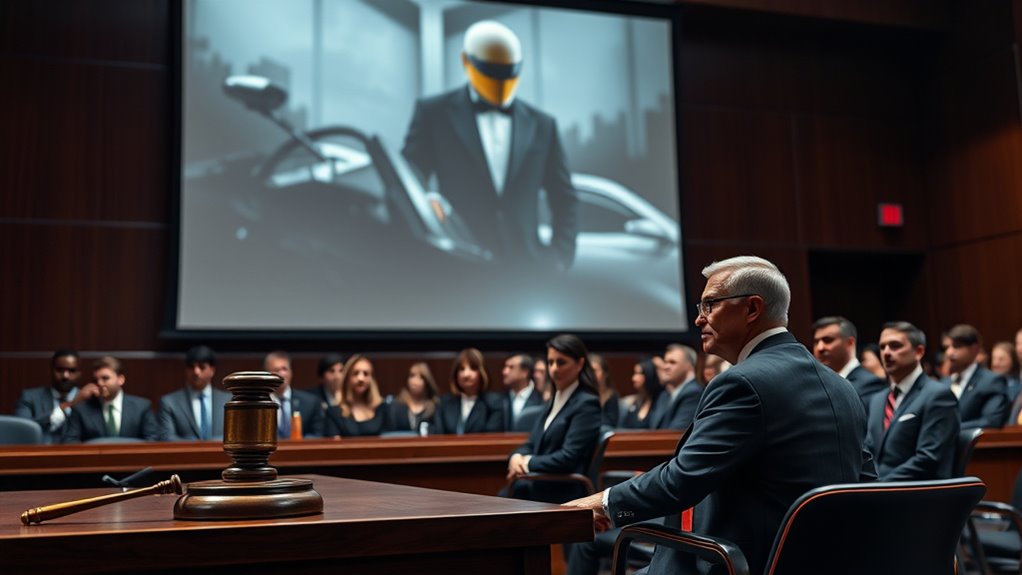
Legal cases have markedly influenced how trailer content is created, distributed, and protected today. When it comes to trailers, filmmakers and marketers often walk a fine line between showcasing enough to attract an audience and avoiding legal pitfalls. One of the key issues in this arena involves copyright disputes, where content creators or rights holders challenge how trailers incorporate copyrighted material. Such disputes often revolve around whether a trailer’s use of clips, images, or music infringes on the original rights holders’ intellectual property. These conflicts have led to clearer guidelines and more cautious practices in trailer production, ensuring that creators respect copyright laws and avoid costly legal battles.
At the heart of many of these disputes is the concept of fair use, a legal doctrine that allows limited use of copyrighted material without permission under certain circumstances. Trailer creators often rely on fair use when they include brief clips or images to promote a film, arguing that their use is transformative and serves a commercial purpose. However, courts have been inconsistent in their rulings, with some cases recognizing fair use as a valid defense, while others have deemed the use too substantial or not sufficiently transformative. These rulings have underscored the importance of carefully evaluating whether a trailer’s use of copyrighted content qualifies as fair use. As a result, creators now tend to be more conservative in their use of copyrighted material, often opting to use only snippets or rework footage to avoid legal complications.
Legal cases involving trailers have also pushed the industry to develop more precise licensing agreements and clear policies for using copyrighted content. When disputes arise, courts examine factors like the purpose of use, the nature of the original work, the amount used, and the effect on the market value of the original. These cases have clarified that even if a trailer is meant to promote a film, it doesn’t automatically grant free rein to use copyrighted clips. Instead, creators need to balance promotional goals with respect for copyright law, sometimes seeking explicit permission or licensing agreements to use certain footage. This heightened awareness of copyright law has encouraged more responsible and legally compliant promotional practices. Overall, these legal cases serve as a vital reminder that respecting copyright and understanding fair use are essential for creating effective, legally sound trailer content.
film trailer licensing software
As an affiliate, we earn on qualifying purchases.
As an affiliate, we earn on qualifying purchases.
Frequently Asked Questions
How Have Legal Cases Affected Trailer Content Creation?
Legal cases have greatly impacted trailer content creation by making you more cautious about trailer piracy and licensing controversies. You now guarantee proper permissions and avoid unauthorized footage to prevent lawsuits. These cases push you to follow strict legal standards, encouraging transparency and ethical practices. As a result, you produce trailers that respect intellectual property rights, reducing risks and maintaining your reputation while engaging audiences effectively.
What Are the Key Legal Issues in Trailer Disputes?
You’re facing legal battles that could shake your world! The key issues in trailer disputes often revolve around trailer licensing and content licensing. You must make certain you have proper rights to use footage, images, and music, avoiding copyright infringement. Disputes can escalate over unauthorized use or misrepresentation, so it’s vital to carefully negotiate licensing agreements and clear all content. Staying compliant protects your project from costly legal repercussions.
Which Court Rulings Most Influenced Trailer Content Regulations?
You should look at court rulings like the 1989 Central Hudson case, which set legal precedents for trailer censorship and advertising regulations. This case reinforced that regulators could restrict content if it’s misleading or harmful, shaping how trailers are edited and approved. These rulings influence current regulations by balancing creative freedom with legal limits, ensuring trailers don’t violate advertising laws or promote inappropriate content.
How Do Copyright Laws Impact Trailer Editing?
Copyright laws markedly influence your trailer editing by requiring you to obtain music licensing for any soundtrack used. You also need to take into account fair use exceptions, which might allow limited use of copyrighted material without permission, especially for commentary or critique. Failing to comply can lead to legal issues, takedown notices, or fines. Always make sure you have proper licenses or rely on fair use to stay within legal boundaries while editing trailers.
Are There International Legal Standards for Trailer Content?
You wonder if international legal standards govern trailer content. The truth is, trailer censorship and licensing agreements vary globally, creating a complex web of rules. While some countries follow certain broad guidelines, no single international law strictly regulates trailers everywhere. This means you must navigate diverse legal landscapes, ensuring your trailers respect local censorship laws and licensing terms. Ignoring these can lead to unexpected legal twists that threaten your project’s success.
copyright management tools for filmmakers
As an affiliate, we earn on qualifying purchases.
As an affiliate, we earn on qualifying purchases.
Conclusion
Just as a lighthouse guides ships safely through turbulent waters, these legal cases illuminate the path for trailer creators, warning of rocky shoals and hidden reefs. By understanding the boundaries set by law, you can navigate the seas of content with confidence, avoiding storms that threaten your voyage. Remember, each ruling acts as a beacon, steering your craft clear of legal rocks, ensuring your trailer’s journey remains smooth and successful.
fair use legal guidebook
As an affiliate, we earn on qualifying purchases.
As an affiliate, we earn on qualifying purchases.
trailer editing software with licensing features
As an affiliate, we earn on qualifying purchases.
As an affiliate, we earn on qualifying purchases.