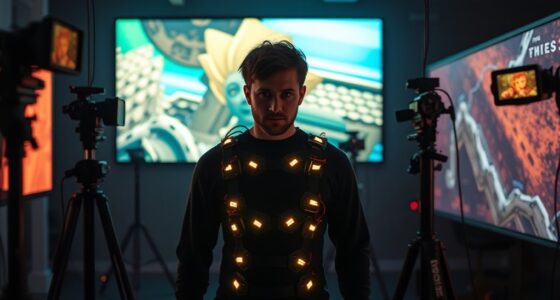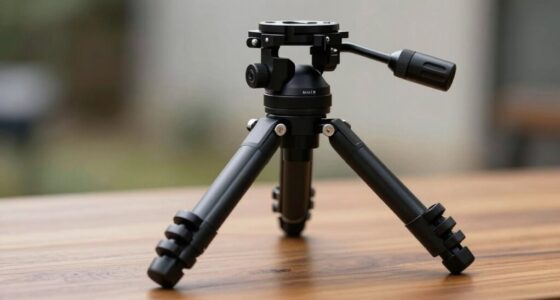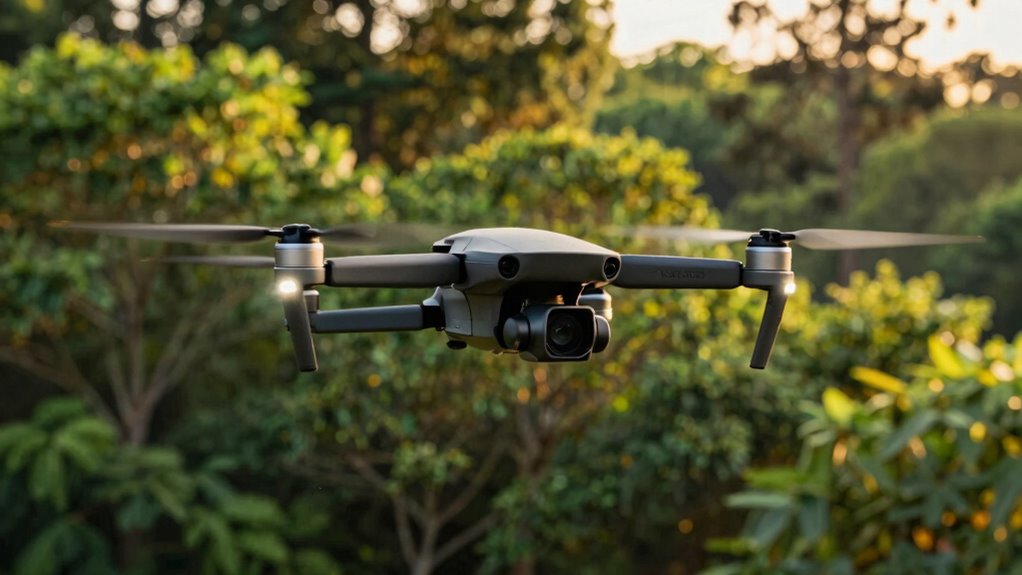

A drone is useful for indie filmmakers because it makes high-quality aerial shots affordable and accessible. You can easily maneuver around tough terrains or follow fast-moving subjects with stable, cinematic footage. Advanced features like autonomous flight and easy-to-use controls simplify complex shots, saving you time and money. Plus, portability means quick deployment in remote locations. If you want to discover how drones can elevate your filmmaking, keep exploring the benefits they offer.
Open a free Amazon Business account
Business pricing, bulk buying and tax-exempt orders.
As an affiliate, we earn on qualifying purchases.
Key Takeaways
- Affordable high-quality aerial shots without the need for costly equipment or permits.
- Easy to maneuver in challenging terrains for dynamic, creative shots.
- Autonomous and user-friendly features simplify complex filming tasks.
- Enhances storytelling with cinematic perspectives and spontaneous shot capabilities.
- Quick setup and portability facilitate filming in remote or tight schedules.

For indie filmmakers looking to elevate their storytelling, drones have become an essential tool. They open up a world of possibilities for capturing stunning visuals that were once limited to big-budget productions. With aerial cinematography, you can add a dynamic perspective to your scenes, making your film stand out and engaging your audience more effectively. What makes drones especially appealing for indie projects is their ability to deliver high-quality footage without breaking the bank. In the past, obtaining professional aerial shots required expensive equipment, helicopters, and permits, which often made it inaccessible for smaller productions. Today, budget-friendly equipment and advancements in drone technology have leveled the playing field, allowing you to incorporate aerial shots without draining your resources.
Drones make high-quality aerial shots accessible and affordable for indie filmmakers, transforming storytelling possibilities.
Drones are incredibly versatile. You can easily maneuver them around difficult terrains, follow fast-moving subjects, or glide smoothly over landscapes, all while maintaining a stable shot. This flexibility is invaluable for indie filmmakers working with limited crew and resources. You don’t need a large crew or costly gear to achieve cinematic results; a good drone can do much of the heavy lifting. Plus, many drones come equipped with intelligent flight modes, such as orbit, follow-me, or waypoints, which simplify complex shots and give you professional-looking footage with minimal effort. This ease of use means you can focus more on storytelling rather than technical challenges. Additionally, as drone technology advances, their autonomous flight capabilities continue to improve, making complex shots more accessible to filmmakers at any skill level. These technological improvements are making aerial cinematography more accessible and user-friendly, even for beginners. It’s also worth noting that ongoing innovations in drone safety features help mitigate risks, increasing confidence for independent operators. Moreover, the development of battery life in drones allows for longer shooting sessions, expanding creative possibilities without frequent interruptions. Furthermore, the growing community and support networks for drone users provide helpful resources and shared knowledge, which can be invaluable for newcomers.
Another reason drones are useful is their affordability. Unlike traditional aerial filming methods, which often involve renting helicopters and securing permits, drones require a smaller budget and less logistical planning. You can purchase a reliable drone within a few hundred dollars, and many models provide excellent image quality suitable for indie films. This affordability doesn’t mean sacrificing quality; many budget-friendly options include high-resolution cameras and stabilization features that produce crisp, smooth footage. As a result, you can achieve cinematic aerial shots that enhance your story without overspending.
In addition, drones are portable and quick to deploy. You don’t need to arrange complex logistics or wait for special equipment to be delivered. When you’re on a tight schedule or working in remote locations, a drone becomes an invaluable tool for capturing compelling visuals efficiently. Their compact size allows you to transport and set up quickly, enabling spontaneous shots and creative experimentation. Overall, drones offer indie filmmakers an affordable, flexible, and powerful way to elevate their storytelling through aerial cinematography, making them an indispensable part of your filmmaking toolkit.
As an affiliate, we earn on qualifying purchases.
Frequently Asked Questions
What Is the Maximum Flight Time for Indie Filmmaker Drones?
The maximum flight time for indie filmmaker drones typically ranges from 20 to 30 minutes, depending on the model and battery life. You should consider battery capacity and efficiency, as these directly affect flight duration. Keep in mind, frequent battery swaps or extra batteries can extend your shooting sessions. To get the most out of your drone, choose one with a longer flight duration and reliable battery life for seamless filming.
How Much Do Drones Typically Cost for Independent Filmmakers?
You can expect to spend anywhere from $500 to over $2,000 on drones for indie filmmaking. These drones often feature advanced camera stabilization and support various drone payloads, allowing you to capture smooth, professional-quality footage. Cheaper models might lack stability or payload capacity, while higher-end options offer better stabilization and camera compatibility. Ultimately, your budget will determine the drone’s capabilities and how well it meets your filmmaking needs.
Are There Any Legal Restrictions for Drone Use in Filmmaking?
Think of flying a drone like steering a busy highway—you need to follow the rules. Legal regulations govern drone use for filmmaking, including altitude limits and no-fly zones. Privacy concerns are also key; you can’t film private properties without permission. Ignoring these rules can lead to hefty fines or confiscation. Always check local laws and get necessary permits to verify your aerial shots stay legal and drama-free.
What Safety Precautions Should Indie Filmmakers Take When Flying Drones?
When flying your drone, you should prioritize safety by performing regular drone maintenance to guarantee all parts function properly. Always check your batteries for signs of damage and avoid overcharging to prevent accidents. Keep a clear line of sight, fly in open spaces, and respect local regulations. These precautions help prevent crashes and ensure safe, smooth filming sessions, making your indie project both successful and safe.
Can Drones Be Used for Indoor Filmmaking Shoots?
Every good thing comes with its challenges, and yes, drones can be used for indoor filmmaking shoots. You’ll need to take into account indoor lighting to ensure clear footage and rely on drone stabilization to keep shots steady in tight spaces. Carefully choosing a compact drone with advanced stabilization features will help you navigate indoor environments safely. Remember, planning and practice are key to capturing smooth, professional shots indoors.
budget cinematic drone for filmmakers
As an affiliate, we earn on qualifying purchases.
As an affiliate, we earn on qualifying purchases.
Conclusion
In the end, choosing the right drone can elevate your indie project beyond expectations. Imagine capturing a breathtaking aerial shot of your hometown, turning a simple scene into a cinematic moment. Like Sarah, who used her drone to film her short film’s opening scene, making it stand out at festivals. With the right tools and a little creativity, your drone can be your secret weapon, helping you tell stories in ways you never thought possible.
autonomous drone for aerial filming
As an affiliate, we earn on qualifying purchases.
As an affiliate, we earn on qualifying purchases.
portable drone for remote filming
As an affiliate, we earn on qualifying purchases.
As an affiliate, we earn on qualifying purchases.
NFL season / tailgating Picks
team gear
As an affiliate, we earn on qualifying purchases.