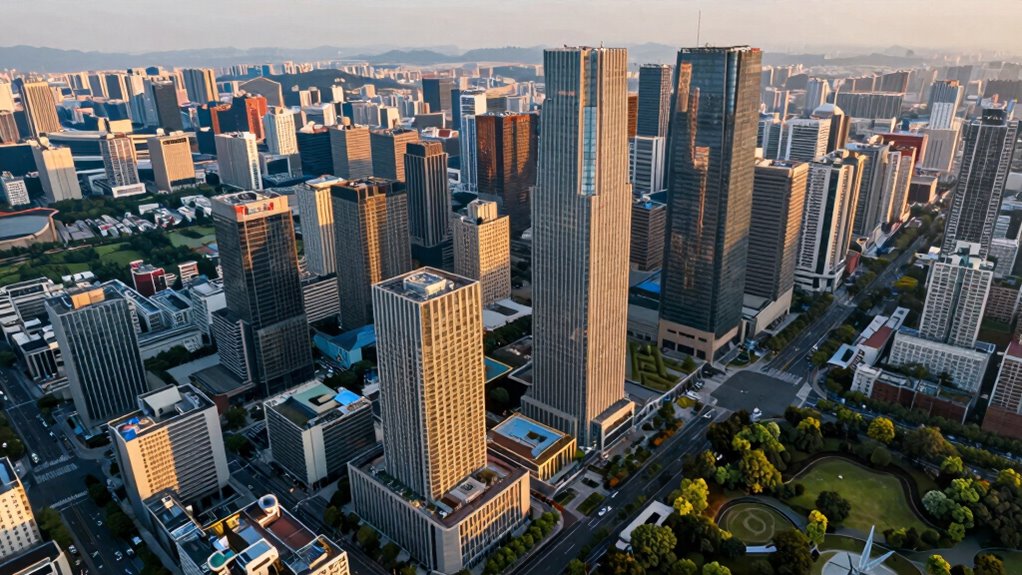

Aerial shots instantly boost your production’s perceived value by adding sweeping, cinematic visuals that look professional and high-quality. Using drone technology allows you to capture dynamic angles and stunning landscapes efficiently, giving your project a polished, premium feel. These shots help tell your story more vividly, enhancing viewer engagement and emotional impact. Incorporating aerial footage signals that you invest in quality, making your work stand out. To find out how to maximize this effect, keep exploring the details.

Get movie nights delivered free — and shop member deals
- Fast, free delivery on millions of items
- Access to Prime Big Deal Days deals on October 6–7
- Prime Video, Amazon Music and more included
Key Takeaways
- Aerial shots add sweeping, cinematic visuals that instantly elevate the overall production quality.
- They provide unique perspectives, making scenes more engaging and visually impressive.
- High-quality drone footage conveys professionalism, increasing viewer trust and perceived value.
- Flexibility in shot types allows for dynamic storytelling, enhancing emotional impact.
- Using aerial shots signals a commitment to high standards, boosting the project’s prestige.
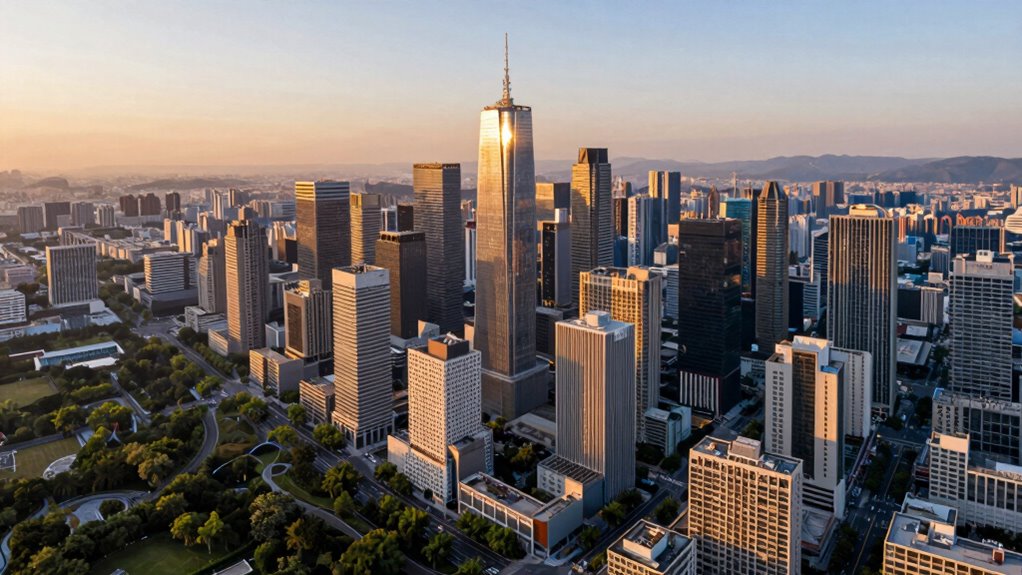
Aerial shots have become a powerful tool in elevating a production’s visual impact, offering viewers sweeping perspectives that ground their experience in grandeur and scale. When you incorporate drone technology, you access a new level of creative freedom that wasn’t possible with traditional camera equipment. Drones allow you to capture dynamic shots from heights and angles that were once reserved for expensive helicopter setups, making high-quality aerial footage more accessible and cost-effective. This accessibility means you can seamlessly integrate breathtaking visuals into your project, instantly boosting its production value.
Using aerial shots enhances your visual storytelling by providing context and atmosphere that ground-level shots simply can’t match. You can showcase sprawling landscapes, intricate cityscapes, or vast interiors, giving viewers a sense of place and scale that deepens their engagement. When you employ drone technology for these shots, you’re not just adding spectacle—you’re adding narrative depth. A sweeping drone shot of a city skyline, for example, can set the tone of a scene, evoke emotion, or underline a character’s journey. This kind of visual storytelling guides your audience’s emotions and understanding, making your production more compelling. Additionally, the cost-effectiveness of drone technology enables creators with various budgets to elevate their projects without sacrificing quality.
Moreover, aerial shots give your project a polished, professional look that elevates perceived production value. Viewers subconsciously associate high-quality visuals with high-quality content. When you use drones to achieve smooth, cinematic footage, it signals to your audience that you’ve invested in your craft, which increases their perception of your work’s overall quality. The fluidity and stability of modern drone technology mean you can capture stunning shots without the jittery or amateurish appearance that often diminishes production value. Additionally, the ability to capture high-quality footage with stability and precision through drones further enhances your project’s credibility and visual appeal. Incorporating aerial cinematography into your workflow allows you to craft more dynamic and engaging narratives, elevating your production’s overall impact.
You also gain flexibility in how you tell your story. With drones, you can quickly adapt to different scenes, capturing wide vistas or tight close-ups without needing bulky equipment or elaborate setups. This agility allows you to experiment with shots that add drama, tension, or beauty—elements that considerably enhance your storytelling. The ability to move freely in three dimensions means you’re not limited to static shots; instead, you can craft a visual narrative that feels immersive and cinematic.
Ultimately, integrating aerial shots through drone technology transforms a basic project into a visually fascinating experience. You’re not just filming scenes—you’re creating an environment that transports your audience, making them feel a part of the story. This elevated visual storytelling, combined with the accessibility and versatility of drone technology, is what genuinely raises your production’s perceived value.
high-quality drone for aerial filming
As an affiliate, we earn on qualifying purchases.
As an affiliate, we earn on qualifying purchases.
Frequently Asked Questions
How Much Do Aerial Shots Typically Cost to Produce?
Aerial shots typically cost between $1,000 and $10,000, depending on factors like equipment, location, and complexity. You should consider cost considerations when planning your budget, as drone or helicopter rentals, permits, and skilled operators influence expenses. For budget planning, decide on the shot’s scope early, explore options like drone footage for affordability, and allocate funds accordingly to guarantee high-quality aerial visuals without overspending.
What Equipment Is Necessary for High-Quality Aerial Footage?
To get high-quality aerial footage, you need a drone with excellent stability, ensuring smooth, steady shots. Look for models with advanced gimbal systems that minimize vibrations. A high-resolution camera, such as 4K or higher, captures sharp, detailed images. Additionally, consider good battery life for extended shoots and proper ND filters to control light. These essentials help you produce professional-looking aerial shots that elevate your project’s production value.
Are There Legal Restrictions on Drone Filming in Certain Areas?
While drone regulations vary by location, legal restrictions do exist that you need to follow. You must check local laws and obtain necessary permits before filming to avoid fines or confiscation. Many areas restrict flying near airports, government buildings, or private property. Even if laws seem lenient, respecting privacy and safety guidelines is essential. Staying informed about drone regulations guarantees your aerial shots are both stunning and lawful.
How Long Does It Take to Plan and Shoot Aerial Shots?
Planning and shooting aerial shots can take anywhere from a few hours to several days, depending on complexity. You start with drone calibration to guarantee safety and ideal performance. Then, you consider weather conditions—calm, clear days are perfect. You may need to scout locations, obtain permits, and coordinate with the crew. Weather considerations, like wind and rain, can delay or extend your schedule, so flexibility is key.
Can Aerial Shots Be Used Effectively in Small-Scale Productions?
You can definitely use aerial shots effectively in small-scale productions. In fact, over 60% of indie filmmakers incorporate drones for dynamic visuals. Just remember to prioritize drone safety and ensure proper training. Camera stabilization is essential to capture smooth, professional shots without a big crew, making aerial footage more accessible. With the right approach, even small productions can achieve stunning, high-quality visuals that elevate your project.
As an affiliate, we earn on qualifying purchases.
Conclusion
Incorporating aerial shots can boost your production value considerably, making your content appear more professional and engaging. Did you know that videos with aerial footage are 30% more likely to engage viewers? By adding stunning aerial perspectives, you not only elevate visual appeal but also create a more immersive experience. So, next time you’re planning a shoot, consider including aerial shots—they might just be the secret to captivating your audience and elevating your project’s quality.
professional drone footage camera
As an affiliate, we earn on qualifying purchases.
As an affiliate, we earn on qualifying purchases.
stabilized drone for smooth video
As an affiliate, we earn on qualifying purchases.
As an affiliate, we earn on qualifying purchases.
Fall Picks
fall essentials
As an affiliate, we earn on qualifying purchases.