
To keep your digital-only fan content safe, organize your files with consistent naming and categorize them by date or platform. Regularly back up your work both locally and in cloud storage to prevent data loss. Understand copyright laws and keep detailed records to prove ownership when needed. Familiarize yourself with each platform’s policies and use built-in tools to save backups. Following these best practices helps protect your creative efforts and guarantees your content remains accessible over time.
Key Takeaways
- Regularly back up content to multiple locations, including local drives and cloud storage, to prevent loss.
- Organize files systematically with clear naming conventions by date, platform, or project for easy retrieval.
- Document ownership details, timestamps, and permissions to establish clear rights and resolve disputes.
- Use platform-specific tools and download options to save copies, complying with each platform’s policies.
- Stay informed on copyright laws and platform policies to ensure content preservation aligns with legal standards.

In today’s digital landscape, fan content is often created and shared exclusively online, which makes proper archiving vital to preserve your work. When it comes to safeguarding your digital creations, understanding copyright considerations is key. You need to be clear about what rights you hold and what permissions you’ve granted, especially since fan content can sometimes blur the lines between fair use and copyright infringement. Always keep detailed records of your original work, including timestamps, creation dates, and any licensing agreements. This documentation can be invaluable if disputes arise or if you need to prove ownership. Additionally, be cautious when reposting or sharing content that features copyrighted material owned by others. Respecting copyright laws not only helps protect your work but also maintains good standing within fan communities and platforms.
Speaking of platforms, adopting platform-specific strategies is vital for effective archiving. Different websites and social media channels have unique features, limitations, and policies regarding content storage and retrieval. For example, some platforms automatically back up your posts, while others require you to manually save copies. Familiarize yourself with each platform’s terms of service and data policies to understand what content is stored, how long it remains accessible, and how you can retrieve it later. Utilize built-in tools, like download options or content management features, to regularly back up your content directly from the platform. Consider keeping copies locally on your device or in cloud storage to guarantee your work isn’t lost if a platform removes or restricts access to your content. Organizing your files systematically—by date, project, or platform—makes it easier to locate specific pieces later and maintain a comprehensive archive.
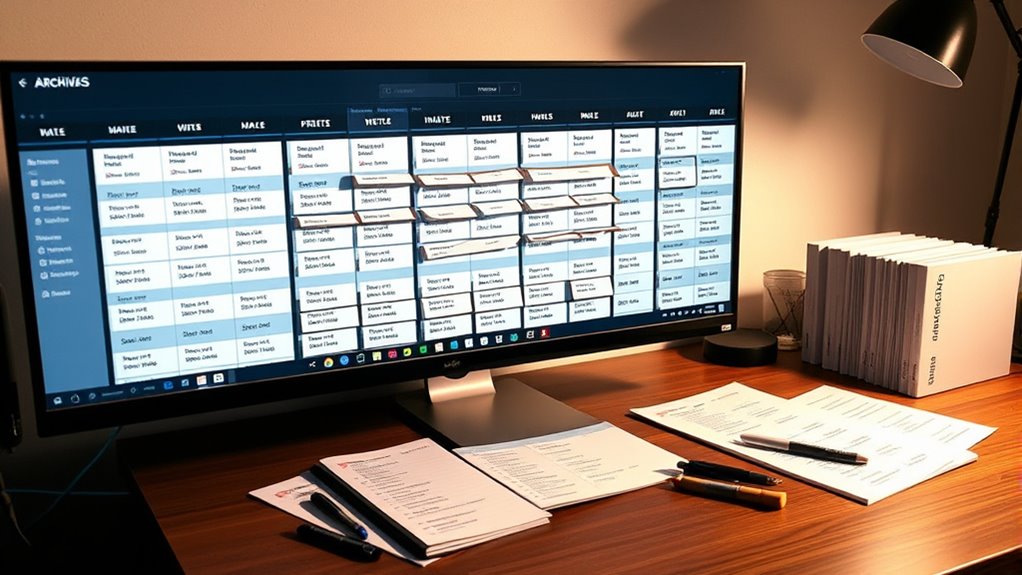
Another effective strategy is to create a standardized naming convention for your files. This might include dates, titles, or platform identifiers, making it quick to find and categorize your work. Regularly updating your archives ensures that new content is preserved promptly and that older pieces are kept in order. Remember, the goal is to have a reliable, accessible backup of your fan content that respects copyright considerations and aligns with platform-specific strategies. By doing so, you safeguard your creative efforts from loss or legal issues, allowing you to focus on creating new content without worry. Proper archiving isn’t just about storage; it’s about protecting your artistic identity and ensuring your work remains accessible for years to come.
Amazon Product B0B17VSRKG
As an affiliate, we earn on qualifying purchases.
Frequently Asked Questions
How Can Creators Ensure Long-Term Accessibility of Digital Fan Content?
To guarantee your digital fan content remains accessible long-term, you need solid digital preservation strategies. Focus on metadata management by accurately documenting file details, creation dates, and formats, making future retrieval easier. Regularly back up your files on multiple platforms, update software to prevent obsolescence, and consider using open formats. These steps help safeguard your content, making sure it stays available and intact for years to come.
What Legal Considerations Are Involved in Archiving Fan-Created Digital Material?
Like a tightrope walk over a stormy sea, archiving fan-created digital content involves careful legal considerations. You must respect the fan community’s rights, ensuring content licensing is clear to avoid legal pitfalls. Understand copyright laws, get permissions when needed, and document licensing agreements. This helps protect your archive and fosters trust within the community, making sure your digital collection remains accessible and respectful of creators’ rights.
How Do Copyright Laws Impact the Preservation of Digital Fan Content?
Copyright laws influence how you preserve digital fan content by shaping what you can legally keep or share. Fan community dynamics often involve sharing and remixing content, but copyright restrictions may limit this. If you attempt digital content monetization, you must guarantee you have proper rights to avoid legal issues. Understanding copyright helps you respect creators’ rights while maintaining an archive that reflects the vibrant, collaborative spirit of fan communities.
What Are the Best Tools for Cataloging and Organizing Digital Archives?
When cataloging and organizing digital archives, you should focus on effective metadata management to keep everything searchable and well-structured. Use cloud storage platforms like Google Drive, Dropbox, or dedicated digital asset management tools such as DigiBase or Tropy, which let you organize files efficiently. These tools help you easily access, update, and secure your content while ensuring your digital fan archives stay organized and easy to navigate.
How Can Creators Protect Their Digital Fan Content From Data Corruption?
You can protect your digital fan content from data corruption by implementing solid backup strategies and effective metadata management. Regularly back up your files to multiple locations, like external drives or cloud services, to prevent loss. Use clear, consistent metadata to organize your files, making it easier to verify their integrity over time. These steps help guarantee your content stays safe, accessible, and intact against potential data corruption issues.
Amazon Product B0C6QYY9YP
As an affiliate, we earn on qualifying purchases.
Conclusion
By following these archival best practices, you guarantee your digital-only fan content stays safe and accessible for the long term. Did you know that over 60% of digital content is lost within a year due to poor storage? Don’t let your work become just another statistic. Implementing proper backups, metadata, and storage solutions keeps your content secure and easily retrievable, so your creative efforts continue to shine well into the future.
Amazon Product B0D484Q8MQ
As an affiliate, we earn on qualifying purchases.
Amazon Product B0CH4LHSF3
As an affiliate, we earn on qualifying purchases.