
The marketing strategies from 1980s blockbusters still influence how modern trailers grab your attention. Back then, filmmakers used nostalgia, bold visuals, and star power to create hype and anticipation. Trailers focused on spectacle and emotional impact, often using quick cuts and memorable lines to draw you in. Today’s trailers build on these tactics, turning previews into mini-events that spark curiosity. Keep exploring to see how these classic techniques shape today’s cinematic promotions.

Get movie nights delivered free — and shop member deals
- Fast, free delivery on millions of items
- Access to Prime Big Deal Days deals on October 6–7
- Prime Video, Amazon Music and more included
Key Takeaways
- Modern trailers emulate 1980s tactics by emphasizing spectacle, emotional impact, and quick-cut editing to hook viewers instantly.
- The use of nostalgia and iconic imagery in trailers creates familiarity and emotional connection, a hallmark of 1980s marketing.
- Multi-platform campaigns, including merchandise and celebrity appearances, originated in 1980s marketing and are now central to modern promotion.
- 1980s strategies of building hype through trailers and memorable posters laid the groundwork for social media teasers and viral marketing today.
- Combining nostalgic branding with high-stakes storytelling in trailers has become a lasting legacy influencing contemporary blockbuster advertising.
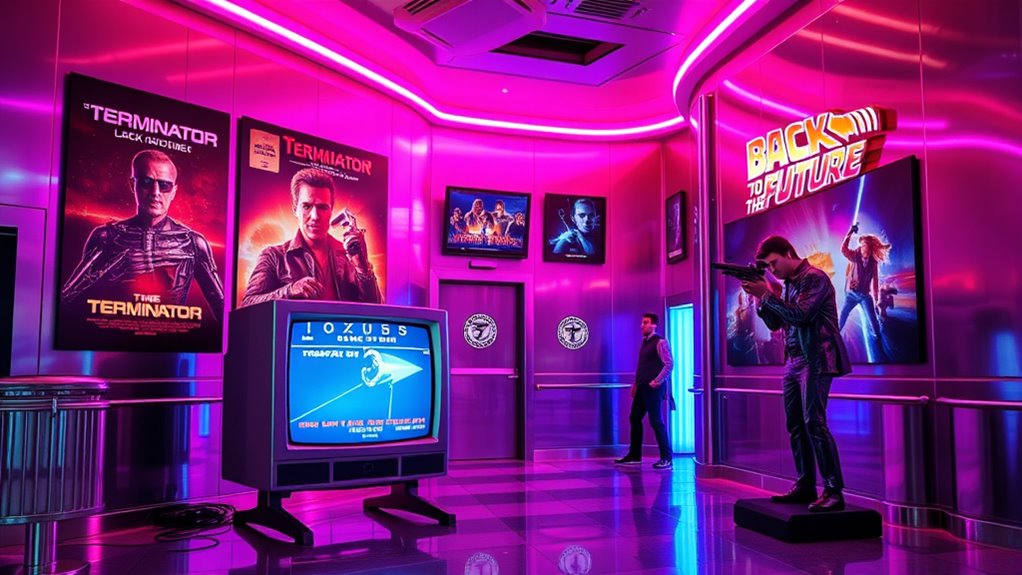
The 1980s marked a transformative era for film marketing, shaping the way movies were promoted and perceived by audiences. During this time, studios began to embrace nostalgic branding, tapping into viewers’ sense of nostalgia to create a sense of familiarity and excitement around upcoming releases. This approach made films feel like cultural events, appealing to a broad demographic by emphasizing their connection to past successes or iconic imagery. At the same time, blockbuster strategies came to the forefront, focusing on creating massive hype through aggressive advertising campaigns, eye-catching trailers, and memorable posters. These strategies aimed to generate anticipation and guarantee that movies became must-see events, often by highlighting star power, special effects, and high-stakes storytelling.
As a moviegoer, you likely noticed how trailers from the 1980s emphasized spectacle and emotional appeal, often featuring quick cuts, dramatic music, and memorable lines designed to hook your attention instantly. Studios understood that building anticipation was essential, and they poured resources into creating trailers that felt like previews of an experience rather than just a synopsis. This shift in marketing approach has persisted into modern trailers, where the goal is to evoke excitement and curiosity quickly. The use of nostalgic branding in trailers and posters became a powerful tool—think of how iconic characters or visual motifs from the era are reused or referenced to evoke a sense of familiarity that draws audiences in. Additionally, the 1980s introduced the concept of creating a multi-platform campaign that extended the reach and excitement surrounding a film across various media channels.
Blockbuster strategies from the 1980s also introduced the practice of releasing trailers across multiple platforms, creating a buzz that extended well beyond the initial announcement. These campaigns often included tie-in merchandise, special event screenings, and celebrity appearances that made the film a cultural phenomenon before it even hit theaters. Today’s trailers continue to build on this legacy, integrating social media teasers, viral campaigns, and immersive experiences that keep audiences engaged long before the first screening. You can see how these early blockbuster tactics laid the groundwork for the modern marketing playbook, where trailers aren’t just previews—they’re integral to the overall hype and branding of a film.
In essence, the 1980s revolutionized film marketing by blending nostalgic branding with blockbuster strategies, setting a template for how movies are promoted today. The emphasis on creating a memorable, emotionally charged preview and leveraging cultural references to spark anticipation has become a standard practice. As a viewer, you’re constantly influenced by these techniques, which aim to turn trailers into mini-events that generate excitement long before you see the film. The legacy of that era’s marketing strategies is clear: they transformed trailers from simple previews into essential tools for building blockbuster success.
Frequently Asked Questions
How Did 1980S Marketing Influence Today’s Viral Trailer Campaigns?
You can see how 1980s marketing influences viral trailers today through nostalgic branding that evokes emotion and familiarity. Modern trailers often use bold visual effects reminiscent of that era’s style to grab attention quickly. These techniques create a sense of excitement and anticipation, encouraging viewers to share. By blending nostalgia with eye-catching visuals, filmmakers tap into the same marketing strategies that made 1980s trailers memorable and viral.
What Specific Techniques From the 1980S Are Still Used in Modern Trailers?
You’ll notice modern trailers still use a nostalgic appeal, often incorporating classic soundtrack selections from the 1980s to evoke emotion and familiarity. This technique creates a sense of excitement and connection, making audiences feel nostalgic even if they weren’t around then. By blending contemporary visuals with iconic music, trailers tap into that timeless charm, keeping the spirit of 1980s marketing alive and engaging viewers across generations.
Did 1980S Film Marketing Target Certain Demographics More Than Others?
Yes, 1980s film marketing targeted specific demographics, mainly focusing on teens and young adults through bold visuals and catchy music. You notice that marketing strategies often aimed to appeal to these groups, using action-packed trailers and pop culture references. Studios recognized the importance of appealing to different audience segments, which helped boost box office sales and create buzz among the most active movie-goers of that era.
How Did Technological Advances in the 1980S Shape Trailer Production?
Think of the 1980s as a playground for tech leaps that transformed trailer production. You’d see dazzling special effects advancements that made scenes pop, pulling viewers into the story. Soundtrack integration became a symphony, boosting excitement and mood. These innovations let you feel the movie’s energy before stepping into the theater, setting a new standard for trailers that still influences how modern ones captivate audiences today.
Are There Notable Case Studies Comparing 1980S Trailers to Contemporary Ones?
You’ll find notable case studies comparing 1980s trailers to today’s, highlighting genre shifts and visual styles. For example, the 1984 “Ghostbusters” trailer emphasizes humor and special effects, reflecting the era’s tech and genre trends. In contrast, modern trailers focus on high-energy edits and sleek visuals. These comparisons reveal how marketing strategies evolved, shaping audience expectations and the cinematic experience over decades.
Conclusion
You can see how 1980s film marketing shapes today’s trailers like a painter’s brush strokes define a masterpiece. Those bold, flashy promos, and attention-grabbing hooks still influence how trailers entice you to watch. By understanding this legacy, you gain a deeper appreciation for modern marketing tactics, recognizing the roots of excitement and anticipation. Just as a familiar tune can evoke nostalgia, 1980s techniques continue to echo in the trailers you enjoy today.
Fall Picks
fall essentials
As an affiliate, we earn on qualifying purchases.