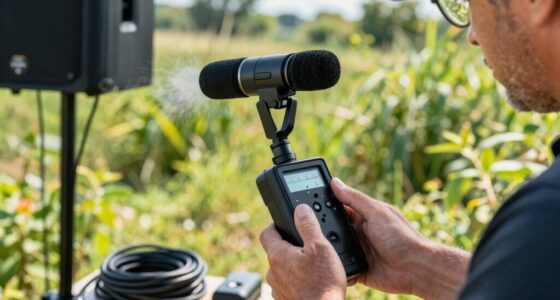
When working with non-professional actors, focus on casting individuals whose natural behavior and personal stories align with your project’s themes. Use informal interviews and improvisation exercises to uncover genuine emotions and authenticity. Keep directing simple, supportive, and collaborative, tailoring your approach to each person’s comfort level. Creating a relaxed environment fosters trust and spontaneity, leading to performances that feel real. To learn more about making the most of non-professional talent, explore effective strategies further.
Key Takeaways
- Observe natural behaviors and personal stories through informal interviews to identify authentic non-professional actors.
- Use improvisation exercises to assess spontaneity and genuine emotional responses.
- Create a relaxed, trusting environment to encourage comfortable, authentic performances.
- Tailor directing techniques to individual personalities, offering clear guidance and positive reinforcement.
- Focus on building rapport and patience to foster spontaneous, emotionally resonant performances that enhance storytelling.
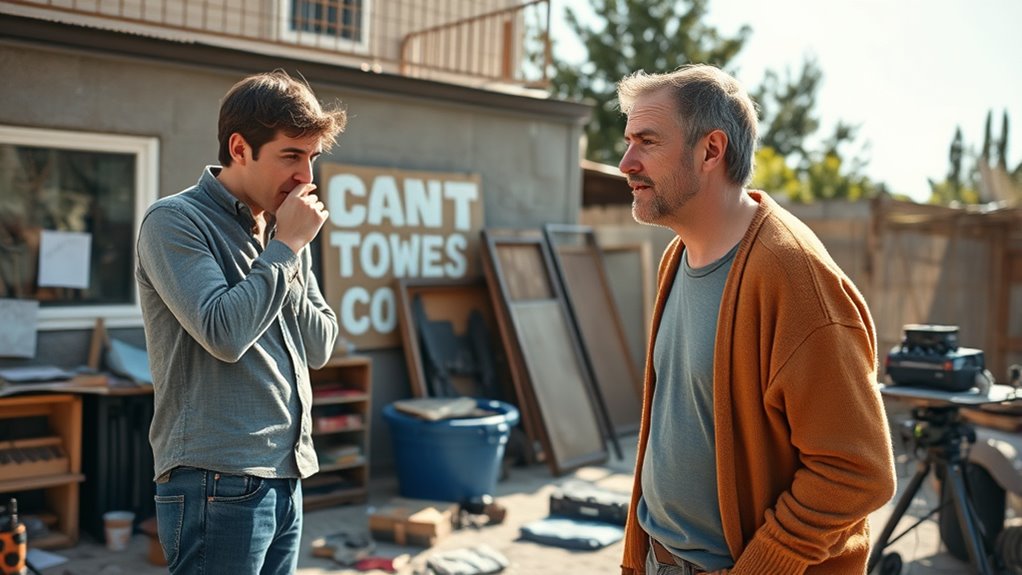
Have you ever wondered what it takes to work effectively with non-professional actors? When you’re casting non-actors, your approach to selecting talent can make all the difference. Casting techniques become essential because you want individuals who bring authenticity and genuine emotion to the scene, even if they lack acting experience. Instead of traditional auditions, you might focus on observing natural behaviors, comfort levels, and personal stories that resonate with your project’s themes. Sometimes, informal interviews or improvisation exercises reveal more about a person’s true personality than a standard audition. The goal is to find individuals whose real-life experiences can translate into compelling performances, rather than relying solely on conventional acting skills.
Once you’ve cast your non-professional actors, your directing approach needs to adapt to their unique strengths and limitations. Unlike trained actors, non-professionals often require a more hands-on, collaborative style. Instead of giving lengthy monologues or complex instructions, you might use simple, clear guidance and focus on creating a relaxed environment. Your goal is to foster trust and encourage natural reactions. You may find that improvisation or spontaneous exercises help draw out authentic responses. This can be especially effective because non-actors tend to perform more convincingly when they feel comfortable and uninhibited. Recognizing the importance of effective preparation can help maximize the consultation process and set the stage for successful performances.
Create a relaxed environment with simple guidance to encourage authentic, natural performances from non-professional actors.
It’s also essential to tailor your directing approaches to match each person’s personality and background. Some individuals may need more encouragement and positive reinforcement, while others might thrive with specific, targeted prompts. You’ll want to be flexible, adjusting your methods to help non-professional actors access their emotions without feeling overwhelmed. Providing context about the scene and your intentions can help them understand their role, but avoid overloading them with technical jargon. Instead, focus on creating a dialogue and building rapport. This relationship-building helps you guide their performances naturally, rather than forcing them into a preconceived idea of acting.
Ultimately, working with non-professional actors requires patience and a willingness to experiment. Your success hinges on your ability to craft an environment where genuine, spontaneous performances flourish. By using suitable casting techniques to identify the right individuals and applying flexible, supportive directing approaches, you’ll tap into their authenticity. This authenticity often results in performances that feel more real and emotionally resonant than those of seasoned actors. With the right mindset and strategies, you can transform non-professional talents into compelling storytellers, enriching your project with sincerity and depth.
non-professional actor casting guide
As an affiliate, we earn on qualifying purchases.
As an affiliate, we earn on qualifying purchases.
Frequently Asked Questions
How Do I Cast Non-Professional Actors Effectively?
You can cast non-professional actors effectively by using targeted audition techniques that focus on authenticity and naturalness. During auditions, ask open-ended questions and encourage improvisation to see how candidates embody the role. Once selected, help them with role preparation by providing clear guidance, context, and support to build confidence. This approach guarantees genuine performances, making your project more compelling and believable.
What Legal Considerations Are Involved When Working With Non-Professionals?
You should prioritize legal compliance and clear contract considerations when working with non-professional actors. While it may seem intimidating, drafting straightforward agreements ensures everyone understands their rights and obligations. Make certain to obtain necessary releases, address liability issues, and respect labor laws. This proactive approach minimizes legal risks, fosters trust, and creates a smooth working relationship, giving you peace of mind throughout your project.
How Can I Build Trust With Non-Professional Actors?
To build trust with non-professional actors, focus on rapport building and creating a safe environment. Be genuine, listen actively, and show respect for their contributions. Establish an emotional connection by sharing your enthusiasm and understanding their perspectives. Offer encouragement and constructive feedback, which helps them feel valued. When they trust you, they’ll be more open, relaxed, and authentic, resulting in more compelling performances.
What Are Common Challenges Faced When Directing Non-Professionals?
Guiding the delicate art of trust building, you might encounter challenges like inconsistent performances or hesitations. To foster confidence, focus on performance coaching that encourages authentic expression while maintaining patience. Remember, non-professionals often bring genuine emotion but need guidance to channel it effectively. Your role involves gentle reassurance and clear communication, helping them feel valued and understood, ultimately transforming these hurdles into opportunities for compelling storytelling.
How Do I Ensure Authentic Performances From Non-Professional Actors?
To guarantee authentic performances from non-professional actors, you should encourage them to explore method acting techniques, helping them connect deeply with their characters. Incorporate improvisational techniques to foster natural reactions and spontaneity, making performances more genuine. Create a safe, supportive environment where they feel comfortable experimenting and expressing themselves freely. Regular rehearsals with feedback and encouragement will help them develop confidence and bring authentic, believable portrayals to life.
improvisation exercises for actors
As an affiliate, we earn on qualifying purchases.
As an affiliate, we earn on qualifying purchases.
Conclusion
Working with non-professional actors can bring authenticity and fresh energy to your project. Remember, studies show that films featuring non-professionals often resonate more deeply with audiences, as they feel more genuine. By fostering a supportive environment and trusting their instincts, you can *release* remarkable performances. Embrace the unpredictability and see how their unique perspectives can elevate your storytelling, creating a more compelling and relatable film that truly connects with viewers.
As an affiliate, we earn on qualifying purchases.
relaxed environment filming accessories
As an affiliate, we earn on qualifying purchases.
As an affiliate, we earn on qualifying purchases.