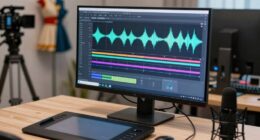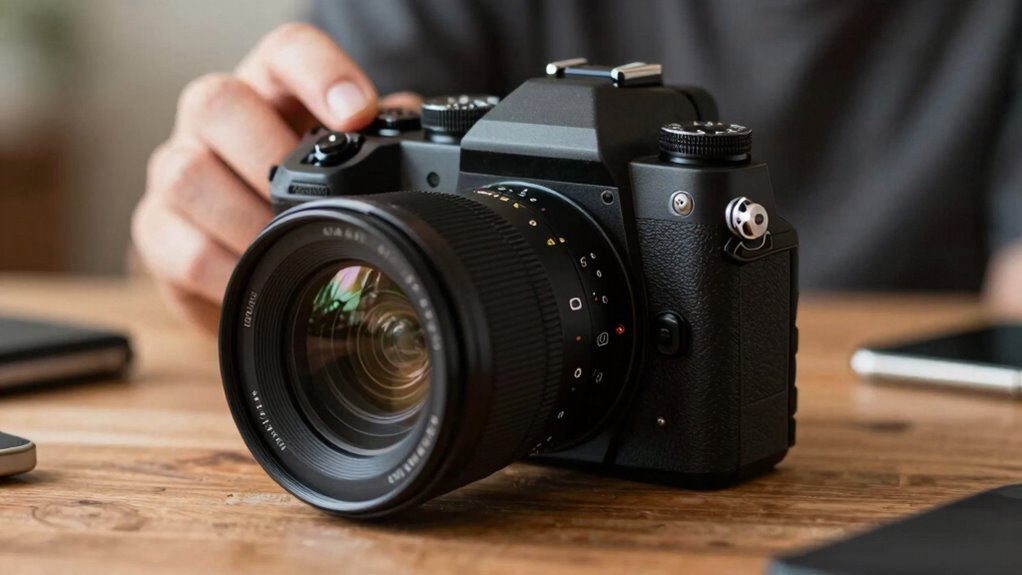
A cinema camera is worth it for indie filmmakers when it balances ergonomic design, making it comfortable to shoot for long hours, with lens compatibility to expand creative options. It should also offer advanced features like good low-light performance and versatile recording formats that boost production value. When a camera feels right during use and works seamlessly with your lenses, it helps you focus on capturing your vision. Stay tuned—there’s more to discover about choosing the perfect setup.
Key Takeaways
- Ergonomic design reduces fatigue and improves handling during long shoots, enhancing overall shooting experience.
- Lens compatibility expands creative options and ensures seamless integration with existing gear.
- High-quality sensor and low-light performance improve image quality and cinematic look.
- Versatile recording formats and features facilitate post-production flexibility and professional results.
- Properly chosen cameras align with budget and shooting style, maximizing value and creative potential.

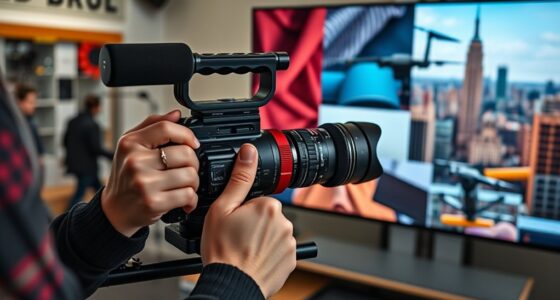
Choosing the right cinema camera can be a game-changer for indie filmmakers aiming to produce professional-quality films on a budget. When you’re making this decision, it’s essential to take into account factors like camera ergonomics and lens compatibility because they directly impact your shooting experience and the quality of your work. Camera ergonomics refers to how comfortable and intuitive the camera feels during extended shoots. You want a camera that’s easy to handle, with well-placed controls, a balanced weight, and a design that minimizes fatigue. A camera with good ergonomics allows you to focus on your shot rather than struggling with awkward handling, which is especially important when working solo or in tight spaces. It also helps you maintain stability and precision, leading to cleaner footage and smoother camera movements. Ensuring your camera offers ergonomic design can make a significant difference in your workflow and end results. Additionally, considering sensor size can influence both your aesthetic choices and low-light capabilities, further enhancing your filmmaking options. Understanding how camera ergonomics influence your shooting efficiency can help you select equipment that feels natural and supports your creativity. Moreover, the compatibility with lens mounts expands your options for different shooting scenarios and desired visual styles.
Lens compatibility is another key aspect. Not all cinema cameras support the same range of lenses, and choosing a camera that can mount the lenses you need broadens your creative possibilities. For indie filmmakers, this means being able to work with affordable, versatile lenses that suit different shooting scenarios—from wide establishing shots to tight close-ups. A camera with a standard lens mount, such as PL or Canon RF, opens up access to a wide variety of options, often at lower costs. Compatibility ensures you’re not limited to a small set of lenses, which can hinder your storytelling. Plus, if you already own lenses, verifying their compatibility with your prospective camera saves you money and time.
Beyond ergonomics and lens compatibility, you should also take into account other features like sensor size, recording formats, and low-light performance. But those are secondary to how comfortable the camera feels in your hands and whether it supports your existing or planned lens arsenal. When these elements align, you’ll find yourself more confident behind the camera, able to focus on framing, lighting, and storytelling rather than battling equipment. This synergy can dramatically elevate the production quality of your indie films, making your work look more polished and professional.
In the end, the most worthwhile cinema camera for you is one that fits your shooting style, budget, and future goals. Prioritize how the camera feels during extended shoots and confirm it can work seamlessly with your lens collection. Doing so ensures that your investment enhances your creativity rather than hinders it, helping you craft films that stand out without breaking the bank.

SmallRig Aluminum Side Handle for Camera Cages, Universal Ergonomic Side Handgrip with Bulit-in 1/4"-20 Locating Hole, Strap Hole, Cold Shoe, 36mm Up/Down Adjustable
Strong Versatility: The side handle can be adapted to two 1/4"-20 threaded holes with a spacing of 18mm….
As an affiliate, we earn on qualifying purchases.
As an affiliate, we earn on qualifying purchases.
Frequently Asked Questions
How Does a Cinema Camera Impact Post-Production Time?
A cinema camera can streamline your post-production workflow, reducing editing time by up to 30%, according to industry reports. Its high-quality footage minimizes the need for extensive color grading, making your color grading process more efficient. You’ll find that better dynamic range and raw formats give you more flexibility, saving time and effort in post-production. Overall, investing in a cinema camera helps you deliver polished results faster.
Are Cinema Cameras Compatible With All Editing Software?
Cinema cameras are generally compatible with most editing software, but your experience depends on sensor size and lens compatibility. Larger sensors may require specific codecs, while lens compatibility varies by mount type. You’ll want to make sure your software supports the footage format and consider whether your lenses can adapt or need specific plugins. Checking these factors helps guarantee smooth editing sessions and prevents headaches down the line.
What Is the Average Lifespan of a Cinema Camera?
You can expect a cinema camera to last around 5 to 10 years, depending on usage and maintenance. Good camera ergonomics help you shoot comfortably over time, while lens versatility keeps your options open for different projects. Investing in a durable, well-built model guarantees longevity, and regular updates or repairs can extend its lifespan. Ultimately, proper care and choosing flexible equipment maximize your camera’s useful life.
Can a Cinema Camera Be Used for Live Streaming?
Yes, you can use a cinema camera for live streaming, but there are some limitations to take into account. Live streaming limitations often include connectivity and setup complexity, which might require additional gear like capture cards or streaming hardware. Budget considerations come into play since cinema cameras tend to be more expensive and may need extra accessories, making them less practical for casual or budget-conscious live streaming.
How Do Cinema Cameras Handle Low-Light Conditions?
Imagine a night scene, where darkness is thick like velvet. Cinema cameras handle low-light conditions by relying on their sensor sensitivity, capturing more light in shadows. Advanced noise reduction algorithms then smooth out grain, turning chaos into clarity. With these tools, your footage remains crisp and vibrant, even in the dimmest moments. You can film in darkness and still reveal every detail, making your storytelling visually compelling without extra lighting.

Meike 35mm T2.1 Super 35 Prime Manual Focus Cinema Lens for EF-Mount Cine Camera Compatible with C200 C300 II, RED Komodo, BMPCC 6K, Z CAM E2-S6 BMPCC6K Pro
Very long (270º) focus throw , Delivery image with smooth, circular bokeh and little to no focus breathing
As an affiliate, we earn on qualifying purchases.
As an affiliate, we earn on qualifying purchases.
Conclusion
Choosing the right cinema camera can truly elevate your indie projects, making your vision come alive with professional quality. Remember, about 65% of indie filmmakers report that investing in a cinema camera greatly improved their storytelling and audience engagement. So, weigh your budget and creative goals carefully. With the right gear, you’ll not only capture stunning visuals but also boost your confidence behind the lens—bringing your unique stories to life more compellingly than ever.
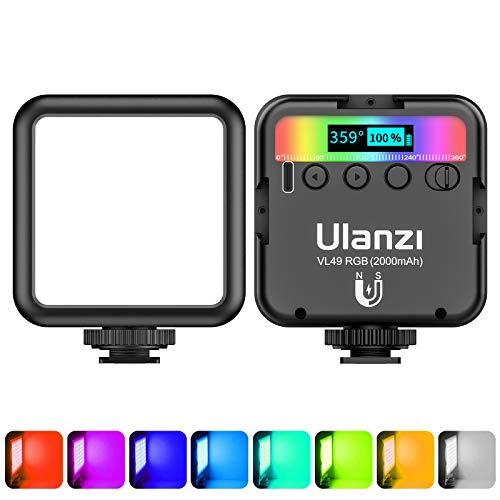
ULANZI VL49 RGB Video Lights, LED Camera Light 360° Full Color Portable Photography Lighting w 3 Cold Shoe, 2000mAh Rechargeable CRI 95+ 2500-9000K Dimmable Panel Lamp Support Magnetic Attraction
【Professional RGB LED Video Lights】The new version VL49 RGB LED video light adopts 60 high color rendering led…
As an affiliate, we earn on qualifying purchases.
As an affiliate, we earn on qualifying purchases.

Delarbeaden Body Camera with Audio and Video Recording: 1080P FHD Body Cam with IR Night Vision Video Recorder, 10HR Battery, 2.0” Screen, 128GB Wearable Bodycam for Law Enforcement, Security
Full HD 1080P Body Camera:The Body Camera combine high-quality optical glass and multi-layer coating technology to ensure the…
As an affiliate, we earn on qualifying purchases.
As an affiliate, we earn on qualifying purchases.