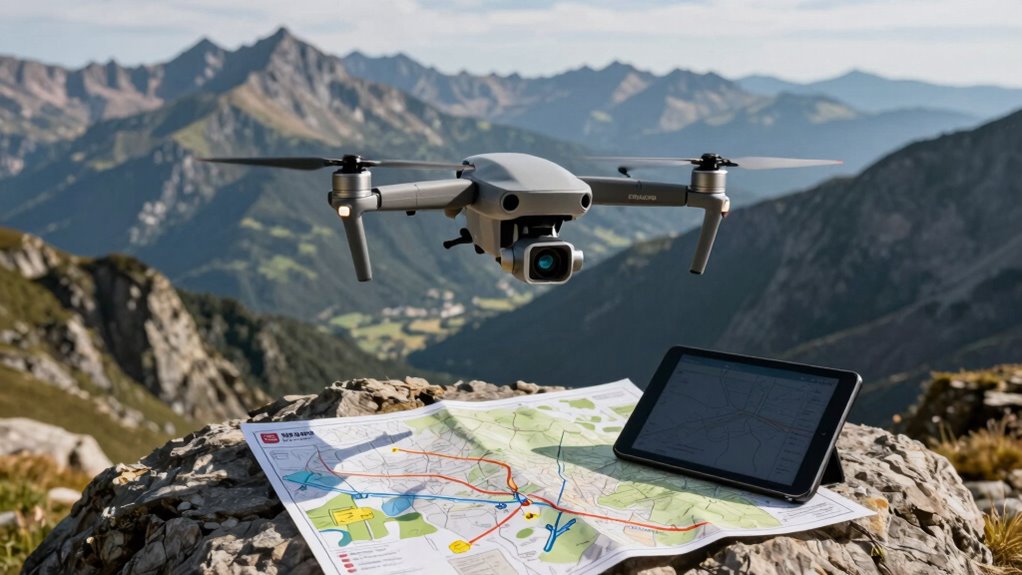

Your drone’s safety and planning directly impact your shot success. By understanding weather conditions like wind, rain, and fog, you can choose the best times and locations for flying, which prevents crashes and water damage. Also, knowing local regulations helps you avoid fines or confiscation, keeping your flight smooth. Good planning reduces risks and boosts confidence, leading to better footage. Keep exploring these strategies, and you’ll discover how they can elevate your drone experience even further.
Key Takeaways
- Proper safety and planning reduce the risk of crashes, ensuring consistent shot quality and equipment protection.
- Weather awareness helps select optimal flight times, resulting in clearer, more stable footage.
- Understanding regulations prevents legal issues that could interrupt or compromise the shoot.
- Anticipating environmental factors allows for better positioning and shot composition.
- Combining safety and planning fosters confidence, leading to more creative and successful drone footage.
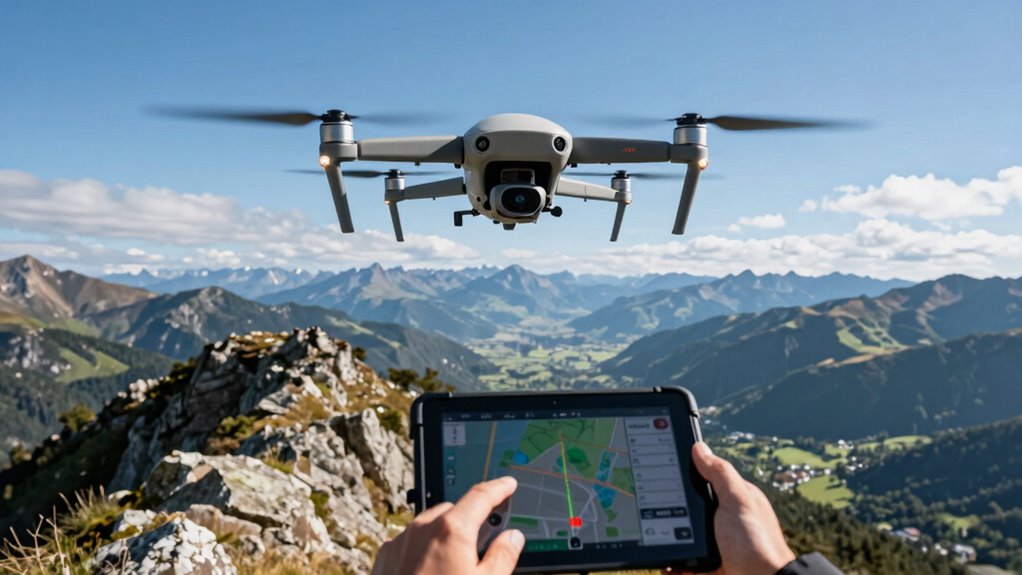
Flying a drone can be exciting, but it also requires careful planning to guarantee safety for both you and others. One of the most critical aspects of that planning involves understanding how weather conditions can impact your flight. Wind, rain, fog, and even temperature fluctuations can make controlling your drone more challenging. Strong gusts of wind might push your drone off course or cause unstable hover, risking crashes or damage. Rain can lead to water intrusion, damaging sensitive electronics and compromising your flight. Fog reduces visibility, making it harder to see obstacles or maintain proper positioning. Before takeoff, always check the weather forecast and assess current conditions. If the weather isn’t conducive to safe flying, it’s better to postpone your flight rather than risk a mishap. By doing so, you protect your equipment and ensure your shots come out as planned. Additionally, understanding weather impact can help you choose the optimal time for flying and prevent unnecessary risks. Awareness of weather patterns can also aid in planning for seasonal changes and long-term drone use. Being familiar with environmental factors allows you to better anticipate how conditions might change during your flight, helping you adapt quickly. Recognizing how weather conditions fluctuate over time can further improve your flight planning and safety. Moreover, staying informed about climatic trends can help you anticipate extreme weather events that could disrupt your flights well in advance.
Along with weather, regulatory compliance plays a crucial role in how safely and successfully you execute your drone shots. Different regions have specific rules governing drone flights, including altitude limits, no-fly zones, and requirements for line-of-sight operation. Ignoring these regulations can lead to fines, confiscation of your drone, or even legal trouble. To maximize safety, familiarize yourself with local drone laws before you fly. Keep your registration current if required, and obtain any necessary permits or permissions. Respect no-fly zones near airports, government buildings, or crowded areas, as flying into these spaces can cause serious safety hazards. Ensuring regulatory compliance isn’t just about avoiding penalties; it’s about respecting privacy, avoiding accidents, and maintaining good relationships with the community. When you plan your flight with these rules in mind, you set yourself up for a smoother shooting experience with fewer interruptions or risks.
Combining awareness of weather conditions and strict adherence to regulations creates a solid foundation for a successful shoot. Proper planning allows you to anticipate challenges and adjust your approach accordingly. For example, if the weather forecast predicts high winds, you might choose a different time or location for your shoot, or opt for a drone designed to handle such conditions. Similarly, knowing where you can and cannot fly ensures your flight remains legal and safe, preventing costly mistakes. When these elements are addressed proactively, your chances of capturing high-quality footage increase markedly. Ultimately, thoughtful planning rooted in environmental awareness and regulatory knowledge helps you execute shots more confidently and safely, making your drone flying experience more enjoyable and productive.
As an affiliate, we earn on qualifying purchases.
Frequently Asked Questions
How Do Weather Conditions Impact Drone Shot Planning?
Weather conditions markedly impact your drone shot planning. Wind turbulence can cause instability, making it harder to control your drone and risking poor footage or crashes. Visibility challenges, like fog or heavy rain, limit your view and camera clarity, increasing safety risks. You need to check weather forecasts carefully, avoid strong winds, and plan your shots during clear conditions to guarantee a safe flight and high-quality results.
What Are Common Safety Hazards During Drone Operation?
You face several safety hazards during drone operation, including battery management issues and signal interference. Poor battery management can cause power loss mid-flight, risking crashes or damage. Signal interference from other electronics or obstacles can disrupt control, leading to accidents. To stay safe, always monitor your battery levels, avoid interference sources, and maintain clear communication with your drone. Proper planning minimizes risks and guarantees successful shots.
How Does Flight Regulation Vary by Location?
Flight regulations vary by location because regional restrictions and local permits differ across areas. You need to research each area’s rules before flying, as some places require specific permits or have no-fly zones. In urban areas, restrictions are stricter, while rural regions often have fewer rules. By understanding these regional differences, you guarantee your drone operations stay compliant, avoiding fines or safety issues that could impact your shot success.
What Equipment Ensures Safer Drone Flights?
To guarantee safer drone flights, you need reliable equipment like a high-quality battery management system that monitors power levels and prevents crashes. Additionally, using anti-interference signal systems helps you maintain a strong connection with your drone, reducing the risk of loss or accidents. These tools let you plan better, respond quickly to issues, and ultimately achieve successful shots while keeping your drone safe during flight.
How Can Pilots Improve Shot Success Rates?
To improve shot success rates, you should plan your camera angles carefully, ensuring they complement the scene and highlight key elements. Use lighting techniques to enhance visibility and mood, making your shots more compelling. Practice precise drone maneuvers and maintain situational awareness to avoid errors. Combining thoughtful camera angles with effective lighting techniques helps you capture stunning, professional-quality footage while maintaining safety and reducing the need for retakes.
As an affiliate, we earn on qualifying purchases.
Conclusion
By prioritizing drone safety and thorough planning, you set yourself up for successful shots and a smoother experience. Think about it—would you rather navigate chaos or glide effortlessly through your scene? When you take the time to prepare and stay safe, you can focus on capturing breathtaking footage without worry. Remember, a well-planned flight isn’t just safer; it’s your ticket to stunning, memorable shots. So, why not elevate your craft with confidence and care?
As an affiliate, we earn on qualifying purchases.
As an affiliate, we earn on qualifying purchases.