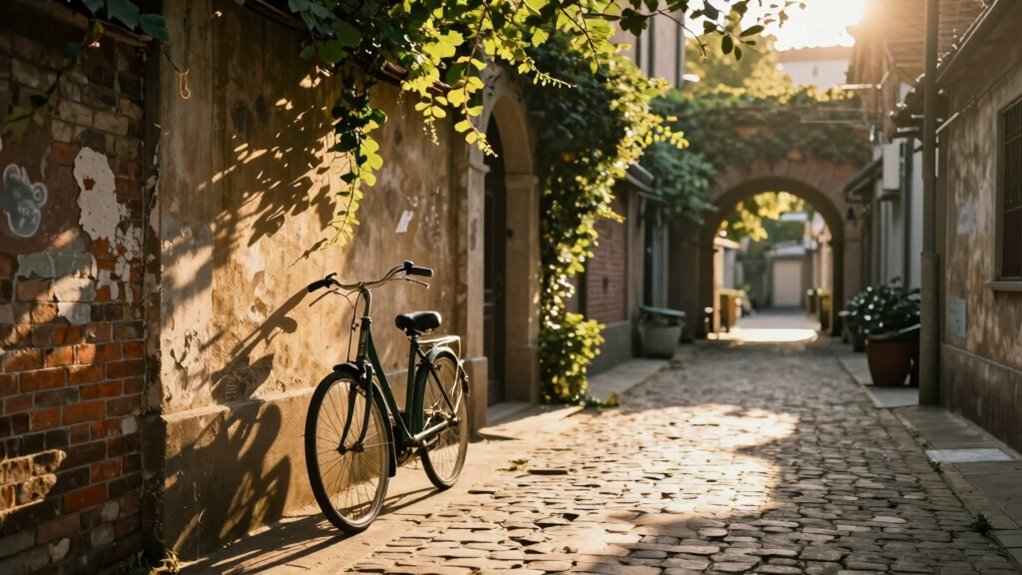

To make simple locations more cinematic, focus on creative lighting, composition, and movement. Use natural light during golden hour for warmth or craft shadows with artificial lights to add mood. Play with camera angles, like high or low shots, to create interest, and incorporate movement to bring scenes to life. Strategic placement of lights and dynamic framing transform ordinary scenes into compelling visuals. Keep exploring these techniques to reveal even more ways to elevate your scenes.

Get movie nights delivered free with Prime
- Fast, free delivery on millions of items
- Prime Video, Amazon Music and more included
- Member-only deals all year
Key Takeaways
- Use natural lighting creatively, like golden hour, to add warmth and cinematic softness to simple scenes.
- Experiment with camera angles (high, low, Dutch) to add interest and emotional depth.
- Incorporate dynamic camera movement (dolly, handheld) to make static locations feel alive.
- Employ strategic lighting placement and contrast to shape scenes and enhance storytelling.
- Enhance mood with shadows, contrast, and soft lighting to evoke specific emotional tones.
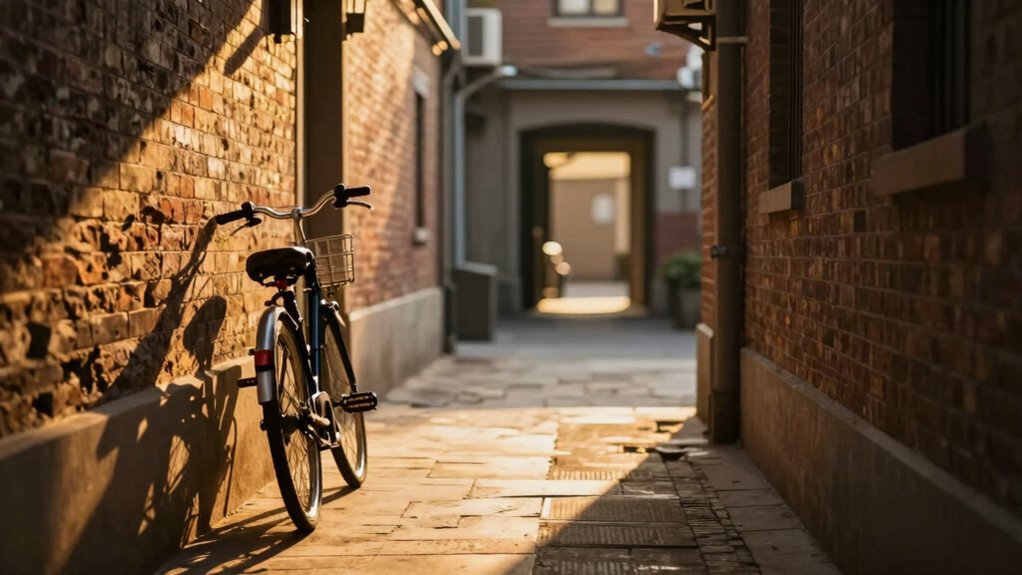
Ever wondered how to make simple locations look more cinematic? It’s all about how you use lighting techniques and camera angles to transform an ordinary space into something visually compelling. You don’t need a sprawling set or elaborate props—just a keen eye for how light interacts with your scene and the way you frame your shots. Lighting techniques can dramatically influence the mood and depth of your footage. For instance, using natural light creatively—like shooting during golden hour—adds warmth and softness that elevate a mundane background. Alternatively, playing with shadows and contrast with artificial lights can create a moody, dramatic tone. Just a simple bounce card or reflector can fill in shadows or add highlights, giving your scene more dimension. Understanding contrast ratio considerations can also help you craft scenes with greater visual depth and realism. Camera angles are equally crucial in making your shots feel more cinematic. Instead of shooting everything at eye level, experiment with high and low angles to add visual interest. A low-angle shot can make a subject seem powerful, while a high-angle shot can evoke vulnerability or isolation. Tilt the camera for dynamic compositions, or try Dutch angles to convey tension or unease. Moving the camera smoothly through your scene—using dollies or handheld shots—also helps create a sense of movement and engagement, even in static locations. Additionally, paying attention to lighting placement can help you control the way light shapes your scene and enhances storytelling. Incorporating lighting techniques with strategic camera work can elevate your footage from ordinary to cinematic, especially when you consider how different lighting setups can alter the mood and atmosphere of the scene.
As an affiliate, we earn on qualifying purchases.
Frequently Asked Questions
How Do I Choose the Best Time of Day for Filming?
You should film during the golden hour, shortly after sunrise or before sunset, when natural lighting creates warm, soft tones. This timing enhances lighting techniques and adds cinematic quality to your shots. Avoid harsh midday sun, which can cause unwanted shadows. Planning your shoot around this time helps you capture beautiful lighting and color grading opportunities, making your footage look more professional and visually appealing.
What Camera Settings Enhance Cinematic Quality in Simple Locations?
You should use camera settings that emphasize lighting techniques and color grading to boost cinematic quality. Set your aperture wide to create a shallow depth of field, drawing focus and adding a cinematic blur. Adjust ISO carefully to avoid grain, and shoot in a flat or log profile for better color grading later. Properly controlling exposure and utilizing natural or artificial lighting techniques enhances mood, making simple locations look more cinematic and visually enthralling.
How Can I Add Depth to Flat or Plain Backgrounds?
You can add depth to flat backgrounds by using strategic lighting techniques, like side lighting or backlighting, to create shadows and highlights that add dimension. Incorporate color grading to enhance contrast and separate the background from your subject. Using a shallow depth of field also blurs the background, making it appear more dynamic. These methods combined help transform plain backgrounds into visually engaging, cinematic scenes.
What Props or Elements Can Elevate a Basic Scene?
You can elevate a basic scene by incorporating simple props that enhance scene composition, like vintage books, textured fabrics, or unique lighting fixtures. These props add visual interest and context, making your frame more cinematic. Focus on props enhancement by placing them thoughtfully within your shot to create layers and depth. Experiment with different arrangements to find the most compelling composition, ensuring each element contributes to the story you’re telling visually.
How Do I Incorporate Movement to Create Cinematic Interest?
Ever wondered how movement can transform a shot? You should use a dynamic camera approach with creative angles to add cinematic interest. Move the camera smoothly—tracking, panning, or tilting—to guide viewers’ focus and evoke emotion. Incorporate subtle movements like zooms or handheld shots to create intimacy. These techniques make simple locations feel alive and engaging, drawing your audience deeper into the story you’re telling.
cinematic camera angle accessories
As an affiliate, we earn on qualifying purchases.
As an affiliate, we earn on qualifying purchases.
Conclusion
By mastering these techniques, you turn ordinary locations into extraordinary scenes, proving that magic isn’t just in grand sets but in your vision. Think of your camera as a painter’s brush—each shot a stroke of artistry. With patience and creativity, you’ll find that even the simplest spots hold infinite cinematic potential. Remember, the real story isn’t just what’s there, but how you choose to see it—transforming the mundane into a masterpiece waiting to be revealed.
As an affiliate, we earn on qualifying purchases.
As an affiliate, we earn on qualifying purchases.
Halloween Picks
halloween
As an affiliate, we earn on qualifying purchases.