
To make exposition feel cinematic instead of heavy, focus on showing rather than telling through vivid visuals, actions, and meaningful imagery that reveal backstory naturally. Break information into small, paced moments, weaving details into character interactions and environment. Use editing techniques like quick cuts, smooth shifts, and montage to control flow and keep energy. Combine these strategies so your story stays engaging and fluid. Stick around to discover how these tools come together to create seamless, enthralling storytelling.
Key Takeaways
- Integrate background details seamlessly through action, setting, and visual cues rather than explicit dialogue.
- Use pacing techniques like quick cuts and reflective moments to control information flow naturally.
- Employ visual storytelling—show character traits and history through imagery and environment.
- Utilize editing to create smooth transitions, montages, and dynamic rhythms that enhance engagement.
- Avoid info dumps by weaving exposition into the narrative, making it feel like a vital part of the story.
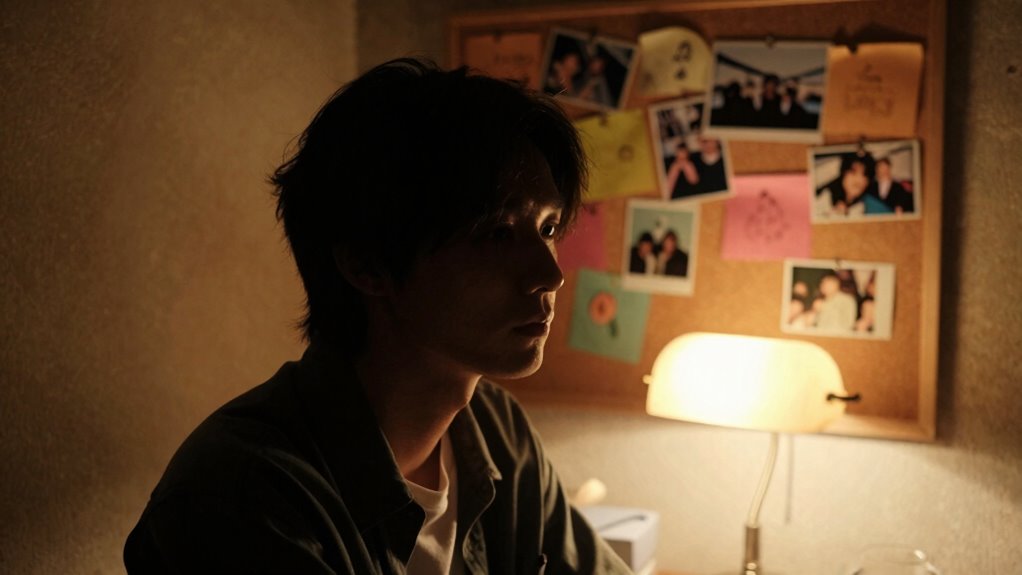
Ever wonder how to turn plain exposition into a cinematic experience? It’s all about transforming information into something that feels alive, engaging, and visually compelling. Instead of dumping facts or backstory through walls of dialogue or narration, focus on using visual storytelling. This means showing rather than telling. Use your scenes to reveal character motivations, world details, and plot points through action, setting, and imagery. For example, instead of explaining a character’s history with dialogue, show their scars, their belongings, or the way they interact with their environment. This makes the exposition feel natural and immersive, pulling viewers into the story rather than pushing information onto them.
Transform exposition into visual storytelling by revealing character and world through action and imagery, making it immersive and natural.
Alongside visual storytelling, pacing techniques are essential to keep your exposition cinematic and avoid dragging or overwhelming your audience. Break up exposition into smaller, digestible moments. Instead of delivering large chunks of backstory all at once, sprinkle it throughout your scenes, weaving it into the action and interactions. Use pauses, beats, and rhythm to control how quickly or slowly information unfolds. Quick cuts or shorter scenes can inject energy and momentum, while longer, contemplative moments give viewers space to absorb details without feeling overwhelmed. Proper pacing makes the exposition feel like part of the story’s natural flow rather than an interruption. Incorporating visual cues can also help convey subtext without disrupting the cinematic rhythm. Being mindful of visual storytelling techniques enhances the depth and engagement of your exposition.
You also want to leverage visual cues to communicate subtext and deepen the audience’s understanding. For instance, a shot of a weathered family photo can hint at past trauma or relationships without a single word. A character’s costume or posture can reveal their emotional state or social status. By carefully selecting your shots and framing, you create layers of meaning that enrich your exposition and make it feel cinematic. People don’t just want to hear the story—they want to see it unfold visually, with all its nuances and complexities.
Finally, remember that editing plays a vital role. Smooth transitions, well-timed cuts, and montage sequences can compress or expand moments, controlling how viewers perceive the flow of information. When done right, editing enhances the visual storytelling and pacing, making exposition feel seamless and dynamic. Instead of a heavy info dump, your exposition becomes a natural, compelling part of the cinematic experience. When you combine sharp visual storytelling with smart pacing techniques, your exposition transforms from a chore into an engaging, cinematic event that keeps your audience hooked from start to finish.
visual storytelling editing software
As an affiliate, we earn on qualifying purchases.
As an affiliate, we earn on qualifying purchases.
Frequently Asked Questions
How Can Visuals Enhance Exposition Without Slowing Down the Story?
You can enhance exposition with visual storytelling by showing rather than telling, using compelling images, symbols, and actions that reveal key information naturally. To maintain narrative pacing, incorporate these visuals seamlessly into the scene, avoiding long explanatory shots. Use dynamic camera angles and quick cuts to keep energy high. This approach engages viewers emotionally, making exposition feel cinematic without slowing down the story.
What Are Common Pitfalls When Trying to Make Exposition Cinematic?
Don’t let your exposition fall flat or feel like a slog. A common pitfall is relying too much on narration or exposition dumps instead of integrating visual symbolism. When you lean heavily on narrative voiceovers, it can break immersion. Instead, use visuals to tell the story subtly—like symbols or motifs—that show rather than tell. This keeps your story cinematic, engaging, and avoids overwhelming your audience with heavy exposition.
How Do You Balance Exposition and Action in a Scene?
You balance exposition and action by blending visual storytelling with pacing techniques. Show, don’t tell—use images, gestures, and environment to convey information seamlessly. Keep scenes dynamic by alternating quick action with brief exposition, maintaining rhythm. Use dialogue sparingly and purposefully, integrating it with visuals. This approach keeps viewers engaged, prevents heaviness, and guarantees your scene flows naturally, making the exposition feel like an integral part of the cinematic experience.
Can Exposition Be Integrated Seamlessly Into Dialogue?
Yes, you can seamlessly integrate exposition into dialogue by making it feel natural. For example, imagine a scene where a character explains a past event casually during a conversation, like reminiscing over coffee. Focus on maintaining a smooth exposition pacing, so it doesn’t feel forced. Use authentic speech patterns, contractions, and emotional cues to guarantee dialogue remains natural, helping viewers stay engaged without feeling overwhelmed by information.
What Role Does Sound Design Play in Cinematic Exposition?
Sound design plays a vital role in cinematic exposition by using sound symbolism and auditory cues to subtly convey information. You can enhance storytelling by matching sounds to emotions or themes, making scenes feel more immersive. For instance, a distant echo might hint at a character’s loneliness, or a sharp sound can signal danger. These auditory cues help your audience intuitively understand context without heavy dialogue, keeping scenes dynamic and engaging.
As an affiliate, we earn on qualifying purchases.
Conclusion
Remember, exposition is like seasoning—use just enough to flavor the story without overpowering it. When done right, it’s the bridge that connects your audience to your world, making it feel as vivid as a cinematic masterpiece. Keep it engaging, sprinkle in visual details, and let your characters breathe through their words. With a little finesse, your story will flow smoothly, turning heavy info into a mesmerizing scene that resonates long after the credits roll.
video editing transition effects
As an affiliate, we earn on qualifying purchases.
As an affiliate, we earn on qualifying purchases.
storytelling lighting and set design
As an affiliate, we earn on qualifying purchases.
As an affiliate, we earn on qualifying purchases.