
To master the new rules of AI prompting for cinematic visuals, focus on crafting precise, emotion-driven prompts that specify scene details, character traits, and mood through color grading and posture cues. Use environment proportions and dynamic elements like floating objects to add realism and depth. Incorporate digital concepts to create cohesive visuals and support your story. Keep refining your prompts to make characters authentic and scenes immersive—if you keep exploring, you’ll discover even more powerful techniques.

Get movie nights delivered free with Prime
- Fast, free delivery on millions of items
- Prime Video, Amazon Music and more included
- Member-only deals all year
Key Takeaways
- Use detailed scene descriptions with emotional cues and character traits for authentic, compelling visuals.
- Incorporate color grading and lighting to set mood and enhance storytelling depth.
- Specify character posture and expressions to convey personality and narrative importance.
- Balance scene elements and proportions to ensure realism and immersive composition.
- Integrate dynamic and digital concepts to add visual interest and narrative layers.

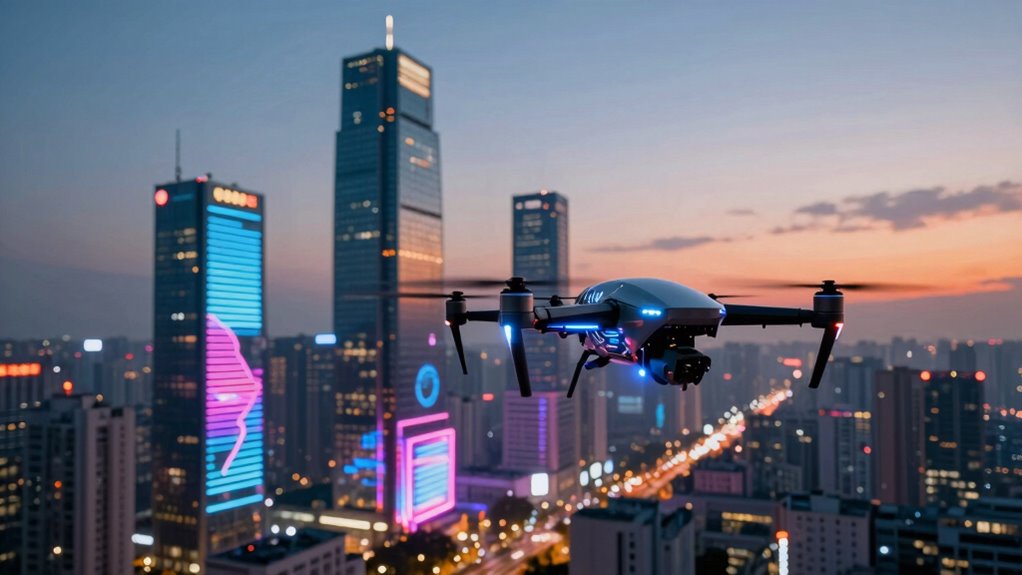
In the evolving world of digital artistry, AI prompting has become a powerful tool for creating cinematic visuals that captivate and inspire. When you craft prompts effectively, you gain the ability to shape scenes that showcase rich character development and striking color grading, bringing your visual storytelling to life. You need to be precise about the emotions and personality traits you want each character to embody, guiding the AI to generate characters that feel authentic and compelling. You can also consider how yardage varies to ensure your characters’ environments are proportionate and realistic, enhancing overall scene believability. Whether it’s a hero’s resilience or a villain’s menace, your prompts should specify these qualities clearly, ensuring the AI captures the essence of the character’s journey. This focus on character development isn’t just about appearance; it’s about conveying the narrative through visual cues, expressions, and posture, all of which should be embedded into your prompts. Additionally, understanding the importance of digital concepts can help you craft more innovative and cohesive visuals that resonate with your audience. Exploring free floating elements in scene composition can add a dynamic and immersive quality to your visuals, emphasizing the narrative’s depth.
Popular right now

TCL F8D Series 50-Inch 4K QLED Smart Fire TV

Bose QuietComfort Wireless Noise-Cancelling Headphones, Sandstone

Dyson V9 Motorbar Cordless Vacuum
As an affiliate, we earn on qualifying purchases.
Frequently Asked Questions
How Do I Choose the Best AI Tools for Cinematic Visuals?
To choose the best AI tools for cinematic visuals, focus on their ability to handle color grading and lighting techniques effectively. Look for tools with customizable options for color correction and realistic lighting effects. Consider user reviews and demos to see how well they mimic professional film quality. Prioritize those that offer seamless integration with your workflow and support high-resolution outputs, ensuring your visuals look polished and cinematic.
What Are Common Pitfalls in AI Prompt Creation for Filmmaking?
You might face common pitfalls like AI bias, which can skew visuals and limit diversity in your scenes. Creative limitations also pose challenges, restricting your ability to fully realize your vision. To avoid these, carefully craft prompts that minimize bias and push AI boundaries. Stay aware of these issues, experiment with different prompts, and refine your approach to produce more authentic, inclusive, and engaging cinematic visuals.
How Can I Ensure Ai-Generated Visuals Match My Creative Vision?
You need to set clear, detailed prompts to guarantee AI-generated visuals match your creative vision. Think of it as laying a solid foundation for a story—precise language guides the AI to produce consistent, compelling images. Focus on maintaining visual consistency throughout your prompts, and incorporate specific elements that reflect your storytelling style. This way, your visuals will align with your vision, making your film’s aesthetic truly stand out.
Are There Ethical Concerns With Ai-Generated Cinematic Content?
Yes, there are ethical implications with AI-generated cinematic content. You need to ponder issues like copyright, as AI often learns from existing works, potentially infringing on creators’ rights. Additionally, maintaining creative authenticity is essential; relying too heavily on AI might dilute human artistry. By staying transparent about AI use and respecting original creators, you can navigate these ethical concerns responsibly while preserving the integrity of your work.
How Do I Optimize Prompts for High-Resolution Cinematic Outputs?
To optimize prompts for high-resolution cinematic outputs, focus on prompt specificity by clearly describing scenes, lighting, and camera angles, ensuring your instructions are detailed. Maintain visual consistency by using consistent descriptors for colors, styles, and moods throughout your prompts. This precision helps the AI generate cohesive, high-quality visuals that match your cinematic vision, resulting in sharper, more immersive outputs.
Conclusion
Now that you’ve learned the new rules of AI prompting, you’re armed to craft cinematic visuals that leap off the screen. Think of your prompts as the brushstrokes of a master painter — each word shaping a vivid scene. With practice, you’ll turn simple inputs into breathtaking imagery, transforming your ideas into visual stories that captivate and inspire. So go ahead, release your creativity, and watch your prompts blossom into cinematic masterpieces.