TL;DR

Get movie nights delivered free with Prime
- Fast, free delivery on millions of items
- Prime Video, Amazon Music and more included
- Member-only deals all year
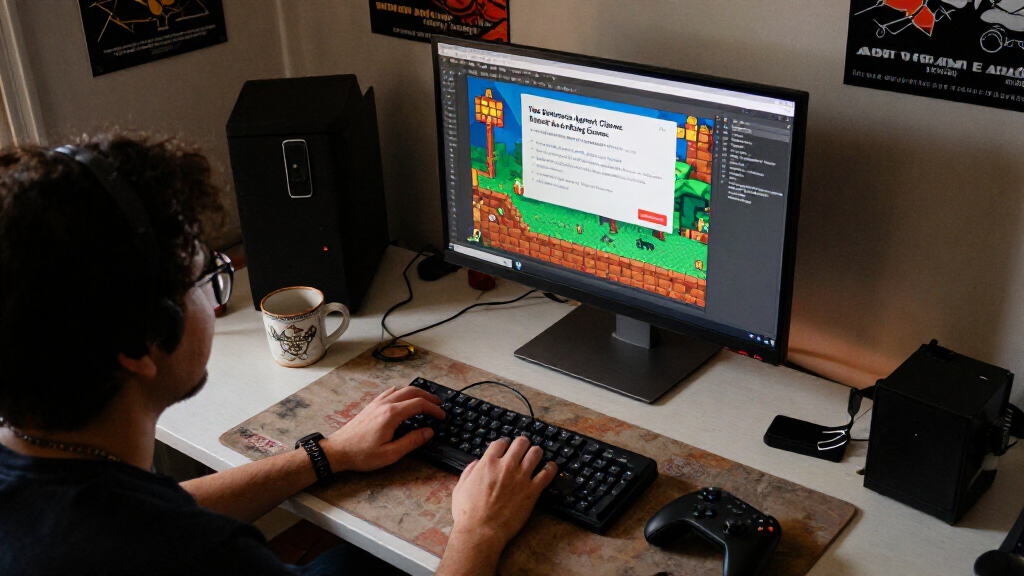
Anthropic added an instruction to Claude Code telling it not to recreate a specific existing game, even under a different name. The company says the rule applies its existing ban on intellectual-property infringement to game-building requests; original games and genre-based projects remain allowed.
Anthropic has added a game-specific instruction to Claude Code telling the AI coding agent not to recreate a particular existing game, even if the request gives it a new name or calls it original. The company confirmed the change on October 30, saying the instruction applies its existing policy against intellectual-property infringement to game-building requests.
The instruction says Claude Code should build original games, games in a genre, and games based on a user’s own designs and assets. It says not to build “a recreation of a specific existing game, even if it is renamed or called original.” XDA reported finding the wording in version 2.1.314. Thorsten Meyer AI said it found the same text in versions 2.1.314 and 2.1.316, but not 2.1.312.
An Anthropic spokesperson referred Game Developer to a statement by Addy Osmani, a member of the company’s technical staff. Osmani said the instruction steers Claude Code away from recreating someone else’s specific game because using Claude to infringe intellectual property violates Anthropic’s usage policy. The policy already prohibited infringement; the new element is a game-specific instruction inside the coding tool.
The report does not establish that a lawsuit or publisher complaint prompted the change. A Kotaku article speculated that Anthropic “was catching some heat,” but identified that as speculation. The trigger for Anthropic’s decision has not been confirmed.
AI Coding Tools · Copyright · October 2026
Two Sentences Against Clones: Where the Copyright Line Really Is
Claude Code now says it will not recreate a specific existing game, even under a new name. Anthropic describes the instruction as an application of its existing intellectual-property policy; original games and genre-based projects remain allowed.
01 / Project boundary
What Claude Code will build
The instruction draws a product boundary around requests to reproduce a named game. It explicitly leaves room for new work and user-created material.
✓ Allowed by the instruction
Original games & genres
Ask for an original game, a game in a genre such as racing, or a project built from your own designs and assets.
✕ Refusal rule
Specific game recreations
Requests to recreate a particular existing game may be refused—even if the prompt gives it a different name or calls it original.
02 / October timeline
From viral recreations to a tool rule
Several public projects and studio decisions drew attention to AI-assisted game clones. Anthropic’s stated reason for its instruction is its existing policy against IP infringement.
Fallout-like browser game
A New York game evoked Fallout; its creator said it was built with Claude Opus 5.5. The creator later said a Bethesda cease-and-desist led them to abandon it.
More ports circulate
Reports described browser ports resembling Halo, Grand Theft Auto: Vice City and The Simpsons: Hit & Run.
Studios limit public builds
Digital Sun moved a ReVamp playtest to Discord. Alliance Arts canceled a public demo, citing similar concerns in separate reporting.
Anthropic confirms guidance
The company said the instruction applies its existing IP policy to game-building requests. The trigger for the decision remains unconfirmed.
03 / The boundary
Tool rule ≠ legal verdict
Claude Code’s refusal instruction and a court’s copyright analysis answer different questions. A tool decision does not settle whether a specific project infringes.
How copyright is described
The source article says copyright generally protects a game’s expressive elements—such as its audiovisual presentation—rather than its underlying ideas or rules. It cites a 2012 U.S. decision finding a Tetris clone infringing despite no copied code.
A rough similarity spectrum
Illustrative only: the tool’s stated refusal rule targets recreations of specific existing games. This track does not predict legal outcomes.
04 / Open questions
Where the policy remains unclear
The instruction is clear about recreations and renamed games. It says less about edge cases that matter to developers and teams.
Licensed work
The instruction does not describe an exception for a license, rights-holder permission or ownership of the game being recreated.
How refusals trigger
It is not known whether the tool responds to specific titles, feature descriptions or another signal. Anthropic has not confirmed how consistently it applies the rule.
Reported developer issue
A developer said Claude refused paid work digitizing board wargames for clients who own them and filed a GitHub issue. The report said Anthropic had not responded at publication.
Other coding tools
Thorsten Meyer AI reported no comparable game-specific instruction from OpenAI or Google in the policies it reviewed as of October 31, 2026. Both have general IP rules.
05 / Quick answers
What users can expect
Users can still ask for original games, genre-based projects and work from their own designs and assets.
What changed?
A game-specific instruction
Claude Code now says not to recreate a specific existing game, even if it is renamed or called original.
Can I make a new game?
Yes—original work remains allowed
The instruction explicitly permits original games, genre projects and games based on your own designs and assets.
Was a lawsuit the trigger?
No trigger was confirmed
Anthropic linked the instruction to its existing IP policy. The reason for the timing has not been established.
How the Rule Affects Game Projects
For developers, the rule makes a previously stated policy more visible at the point where they ask Claude Code to build software. Requests for a genre, such as a racing game, remain within the instruction. A request to reproduce the specific mechanics and presentation of a named game may now be refused, even if the user changes its title.
The change also affects teams using AI coding tools for prototypes, internal demos or client work. A developer who makes digital versions of board wargames for clients who own those games reported that Claude refused paid work, according to Thorsten Meyer AI. The developer filed a GitHub issue, but the report said Anthropic had not responded at the time of publication. The case illustrates an open practical question: the instruction does not describe an exception for licensed work or permission from a rights holder.
For studios, the development lands amid concern about public demonstrations that resemble established franchises. Some teams have moved or canceled public demos, according to reports cited by Thorsten Meyer AI. The Claude rule may change what users can generate with one tool, but it does not settle the legal status of a game or determine whether a particular project infringes copyright.
Popular right now

TCL QM64L 85-Inch QD-Mini LED 4K Smart Fire TV

Bose QuietComfort Ultra Wireless Noise-Cancelling Headphones with Spatial Audio, Black

Shark PowerDetect Corded Stick Vacuum, Self-Cleaning (Eggplant, HZ4002)
As an affiliate, we earn on qualifying purchases.
The Clone Debate in October
The instruction followed a month of attention around AI-assisted game recreations. In late September, a creator posted a browser game set in New York that evoked Fallout and included quests, dialogue trees, a V.A.T.S.-like feature and a Pip-Boy. The creator said it was built with Claude Opus 5.5. Kotaku reported that the post received more than 3.5 million views. Three days later, the creator said they had received a cease-and-desist letter from Bethesda and abandoned the project; the source report said the letter was shown as a screenshot.
In October, Kotaku reported browser ports resembling Halo, Grand Theft Auto: Vice City and The Simpsons: Hit & Run circulating online. Game Developer reported that Digital Sun moved a playtest for its forthcoming game ReVamp to Discord, with the studio saying a large public build felt too risky months before launch. Aftermath reported that publisher Alliance Arts canceled a public demo for similar reasons. These decisions were reported separately from Anthropic’s stated reason for its instruction.
Copyright law offers some context, but it does not map exactly onto the tool’s rule. The source article says copyright generally protects a game’s expressive elements, such as its audiovisual presentation, rather than its underlying idea or rules. It also cites a 2012 U.S. court decision finding a Tetris clone infringing despite the absence of copied code. The instruction is a product rule, while copyright outcomes depend on the facts and applicable law.
““recreating someone else’s specific game””
— Anthropic technical staff member Addy Osmani, in a statement cited by Game Developer
Permission and Enforcement Questions
Anthropic’s instruction does not explain how Claude Code should handle requests involving a license, permission or ownership of the game being recreated. The report also does not establish whether the refusal is triggered by particular titles, by descriptions of game features, or by some other signal. Anthropic had not answered the GitHub issue from the developer reporting refused wargame work, according to the source article.
It remains unclear what prompted the change, how consistently the instruction will be applied, and whether Anthropic will revise it after feedback from developers. Thorsten Meyer AI reported no comparable game-specific instruction from OpenAI or Google in the policies it reviewed as of October 31; both providers’ general policies prohibit intellectual-property infringement. That finding is limited to the material reviewed and date reported.
What Claude Code Users Can Expect
Users can continue to ask Claude Code for original projects, genre-based games and games built from their own designs and assets, according to the instruction Anthropic confirmed. Requests to recreate a particular existing game are now subject to the stated refusal rule, including when the request changes the name.
The next signs to watch are whether Anthropic responds to the reported licensing concern, clarifies how permissions affect refusals, or adjusts the instruction in later versions. The source material does not give a timeline for any such clarification. Developers and studios will also continue to decide how to manage public demos and AI-assisted work under their own legal and release policies.
Key Questions
What did Anthropic change in Claude Code?
Anthropic added an instruction telling Claude Code not to recreate a specific existing game, even if the user renames it or describes it as original.
Can Claude Code still help make a new game?
Yes. The instruction explicitly allows original games, games in a genre and projects based on the user’s own designs and assets.
Did Anthropic say a lawsuit prompted the rule?
No such trigger was confirmed in the source material. The company described the change as applying its existing policy against intellectual-property infringement to game requests.
Does having a license guarantee Claude Code will help?
The reported instruction does not specify how licenses or permission affect refusals. A developer reported that work for clients who owned the relevant board games was refused, and Anthropic had not responded to the reported issue at the time.
When was the instruction reported?
Anthropic confirmed the change on October 30, 2026. Thorsten Meyer AI said it found the wording in Claude Code versions 2.1.314 and 2.1.316, but not version 2.1.312.
Source: Thorsten Meyer AI