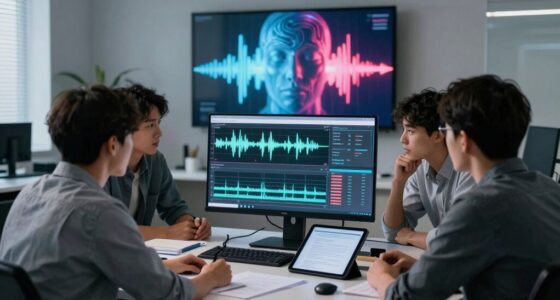
As a trailer editor, you must understand that using licensed music without proper clearance can lead to serious legal and financial risks. Even short clips or temporary use can violate copyright laws, potentially resulting in lawsuits, fines, or trailer takedowns. Securing the right licenses from copyright holders is essential to stay compliant. If you want to avoid costly mistakes, it’s important to understand the licensing process and restrictions—more vital details await you.

Get movie nights delivered free — and shop member deals
- Fast, free delivery on millions of items
- Access to Prime Big Deal Days deals on October 6–7
- Prime Video, Amazon Music and more included
Key Takeaways
- Using licensed music without proper clearance can lead to legal action, fines, and trailer takedowns.
- Always verify the licensing status and obtain necessary synchronization and master use licenses.
- Licensing agreements may include restrictions on usage, timing, or distribution, which must be strictly followed.
- Collaborate with legal or licensing professionals to ensure compliance and avoid unintentional infringement.
- Understanding copyright laws in relevant jurisdictions helps prevent legal risks and protects your project.
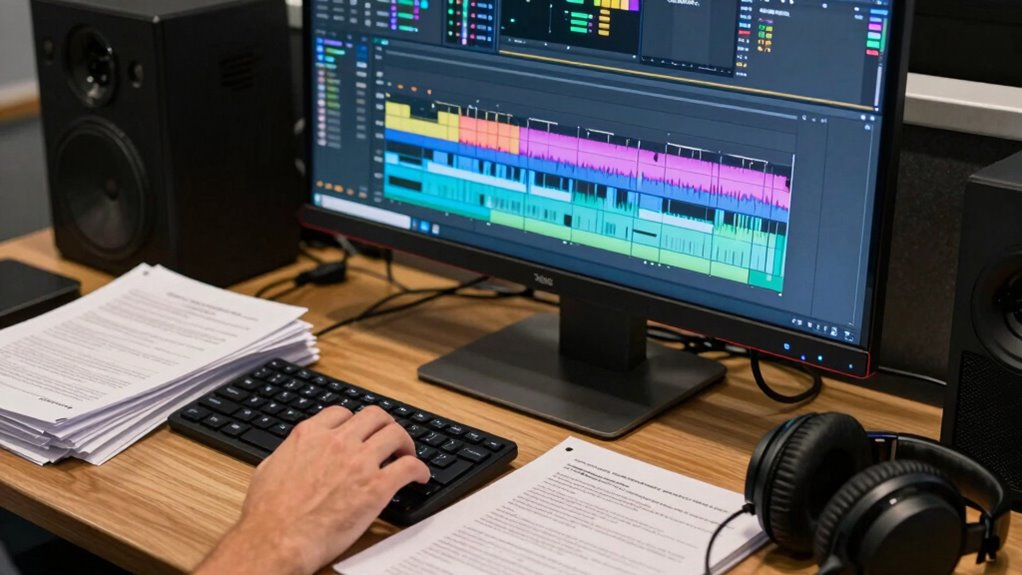
When creating trailers, editors often rely on licensed music to evoke emotion and capture audience attention. Music is a powerful tool that can elevate a trailer from good to unforgettable, but it comes with significant legal responsibilities. One of the most essential aspects you need to understand is music clearance. This process involves obtaining the necessary rights and permissions to use a piece of music in your trailer. Without proper clearance, you risk infringing on copyright laws, which can lead to serious legal and financial consequences. It’s not enough to just like a song; you must secure the rights from the copyright holders, whether that’s the artist, record label, or publisher. Skipping this step can result in your trailer being taken down, fines, or even lawsuits.
Copyright infringement is a real danger if you don’t handle music clearance correctly. When you use music without permission, you’re violating the rights of the content owners. This can happen even if the music is part of your trailer temporarily or if you only use a short clip. The copyright law is clear: using copyrighted music without a license is infringement, and copyright owners are entitled to pursue legal action. This can tarnish your reputation, delay your project, or cause additional costs for legal defense. To avoid this, you should always verify the licensing status of a track before including it in your trailer. Many music libraries offer licensed tracks specifically for commercial use, making it easier for you to find suitable music without risking infringement. Understanding music clearance and the licensing process is crucial for legal trailer production. Additionally, you should be aware of the different types of licenses involved. Synchronization licenses allow you to combine music with visual content, while master use licenses pertain to the specific recording. Sometimes, you’ll need both to legally use a song in your trailer. This process can be complex, and it’s wise to work with licensing professionals or legal experts to ensure all rights are properly secured, especially since licensing agreements can vary widely depending on the source. Recognizing the cultural significance of certain music pieces can also influence negotiations and licensing decisions, ensuring respectful and lawful use. Being aware of the copyright law relevant to your jurisdiction can further help you avoid unintentional violations. Additionally, understanding the potential impact of timing restrictions on licensed music can save you from unexpected legal complications during distribution or broadcast.
licensed music library for video trailers
As an affiliate, we earn on qualifying purchases.
As an affiliate, we earn on qualifying purchases.
Frequently Asked Questions
How Long Before a Trailer’s Release Should Licensing Negotiations Begin?
You should start licensing negotiations at least 4 to 6 weeks before the trailer’s release. This allows ample time for music clearance and managing licensing timelines, which can be complex and unpredictable. Rushing this process risks delays or legal issues. By initiating early, you give yourself enough buffer to secure the rights, review agreements, and guarantee everything aligns smoothly for a successful launch.
What Are the Common Penalties for Unlicensed Music Use?
If you use unlicensed music, you risk penalties like hefty fines, legal action, and damage to your reputation. Common penalties include required music clearance retroactively, substantial royalty payments, and possible court sanctions. To avoid these issues, always guarantee proper licensing before using music. This way, you protect yourself from costly legal disputes and ensure all royalty payments are settled, keeping your project compliant and your reputation intact.
Can Trailers Use Cover Versions Instead of Original Licensed Tracks?
You can use cover versions instead of original licensed tracks, but it’s risky. Cover versions may require their own licensing, and licensing alternatives aren’t always straightforward or foolproof. While they offer a creative twist, they don’t automatically shield you from copyright infringement. Always verify if the cover version is properly licensed or consider licensing the original track directly. Otherwise, you might face legal issues despite the apparent workaround.
How Does Fair Use Apply to Trailer Music Selections?
Fair use can sometimes apply to trailer music selections, but it’s risky to assume it always does. You might argue fair use for commentary or critique, but using music primarily to promote a trailer usually isn’t protected. Always understand that music licensing requirements remain in effect, and relying on fair use without proper legal advice can lead to infringement claims. To stay safe, secure the appropriate licenses for your trailer music.
What Rights Are Needed Beyond Synchronization and Master Use Licenses?
You need more than just synchronization and master use licenses; music clearance often requires additional rights, such as rights for derivative works or public performance. To avoid legal issues, make sure you secure proper royalty agreements and clear all necessary rights with rights holders. Skipping these steps can lead to costly lawsuits or takedowns. Always verify that your licenses cover the intended use, especially if you plan to distribute the trailer widely or online.
copyright clearance music for trailers
As an affiliate, we earn on qualifying purchases.
As an affiliate, we earn on qualifying purchases.
Conclusion
Understanding licensed music risks means knowing what’s legal, what’s risky, and what’s avoidable. It means respecting rights, securing clearances, and avoiding pitfalls. It means protecting your work, safeguarding your career, and upholding your integrity. By staying informed, staying diligent, and staying cautious, you guarantee your trailers not only captivate audiences but also stay compliant. Because in the world of licensed music, awareness isn’t just smart—it’s essential. Keep learning, keep practicing, and keep creating with confidence.
music licensing software for filmmakers
As an affiliate, we earn on qualifying purchases.
As an affiliate, we earn on qualifying purchases.
trailer music synchronization licenses
As an affiliate, we earn on qualifying purchases.
As an affiliate, we earn on qualifying purchases.
Fall Picks
fall essentials
As an affiliate, we earn on qualifying purchases.