
The legal difference between inspiration and infringement lies in how much you borrow and transform existing work. Inspiration involves creating something new by adding your perspective, while infringement copies significant parts or recognizable elements without transformation. Using copyrighted or trademarked content without permission risks legal trouble. To stay safe, focus on originality and guarantee your work adds new meaning or value. Keep exploring to discover how to effectively balance creative freedom with legal boundaries.

Get movie nights delivered free with Prime
- Fast, free delivery on millions of items
- Prime Video, Amazon Music and more included
- Member-only deals all year
Key Takeaways
- Inspiration transforms ideas into new, original work, while infringement copies protected elements without significant change.
- Infringement involves copying protected trademarks, copyrighted material, or distinctive features, risking legal action.
- Fair use allows limited, transformative use for criticism, commentary, or education, but heavy reliance may breach copyright.
- Creating within legal boundaries requires adding new meaning, respecting trademarks, and avoiding direct duplication.
- Consulting legal experts helps clarify permissible use and ensures work remains within lawful creative limits.
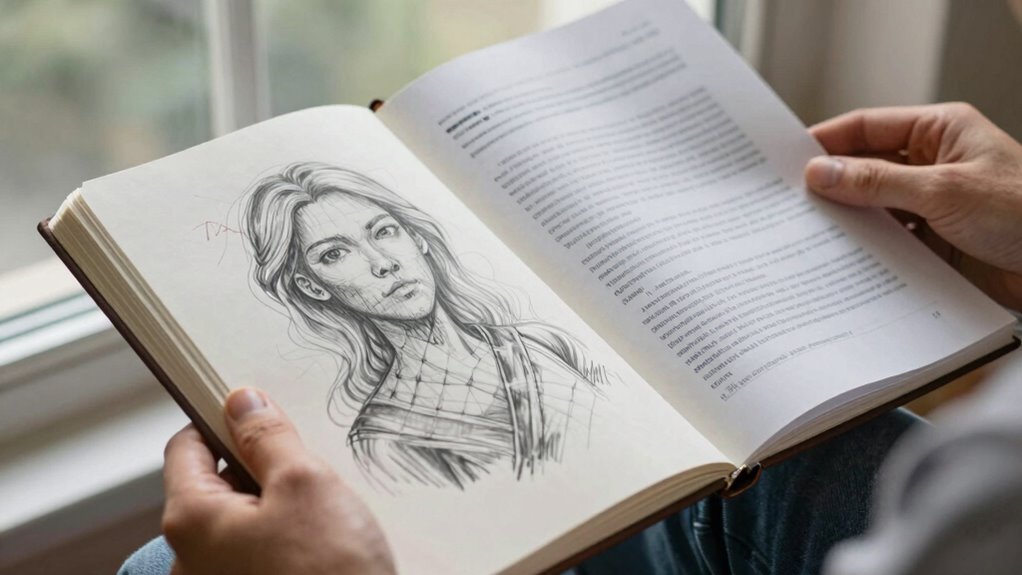
Understanding the legal boundary between inspiration and infringement is essential if you’re creating original work. When you draw inspiration from existing material, you’re taking a spark of an idea or a concept and transforming it into something new and unique. However, if you cross the line into copying entire sections, distinctive features, or recognizable elements, you risk infringing on someone else’s rights. Recognizing where this boundary lies can save you from potential legal issues down the road.
Trademark laws play a pivotal role in defining the limits of permissible use. These laws protect brand names, logos, and other identifiers that distinguish one company’s products from another’s. If your work resembles a trademark too closely or could cause confusion among consumers, you might be infringing. For example, using a logo similar to a well-known brand or a name that’s trademarked may lead to legal action. It’s important, therefore, to guarantee that your inspiration doesn’t encroach on trademarked elements that are legally protected against unauthorized use.
Fair use policies are another critical aspect to understand. Fair use allows limited use of copyrighted material without permission, typically for purposes like commentary, criticism, news reporting, or educational use. But fair use isn’t a free pass to copy extensively; it involves weighing factors such as the purpose of your work, the amount used, and the effect on the original market. If your work heavily depends on copyrighted content, it might not qualify as fair use, and you could face infringement claims. You need to be mindful of how much of the original work you incorporate, and whether your use adds new meaning or value, rather than simply copying. Being aware of the scope of copyright protections, such as copyright law and its exceptions, can help you navigate these boundaries more effectively.
The key to steering through these legal boundaries is to be mindful of how you incorporate elements from existing works. Aim to create something that is transformative, adding your own voice and perspective. When you do so, you’re more likely to stay within the protections of fair use policies. Always do your research—know what’s protected by trademark laws and copyright laws—and consider consulting legal experts if you’re unsure. Additionally, understanding the distinction between inspiration and infringement can help clarify the limits of acceptable use. By respecting these legal frameworks, you can confidently pursue your creative projects without risking infringement, guaranteeing your work remains original and legally sound.
As an affiliate, we earn on qualifying purchases.
Frequently Asked Questions
How Do Courts Determine if Something Is Inspired or Infringing?
Courts determine if your work is inspired or infringing by examining if it qualifies as fair use or a transformative work. They look at how much of the original you used, whether your work adds new meaning or message, and if it impacts the market value of the original. If your work is clearly transformative and falls under fair use, it’s more likely to be seen as inspired rather than infringing.
Can Inspiration Ever Lead to Legal Disputes?
You bet inspiration can lead to legal disputes; it’s a fine line that often sparks debate. When you draw heavily from someone else’s work, originality concerns and ethical considerations come into play. If your inspiration crosses the line into copying, you risk infringement claims. Even well-intentioned inspiration can be misunderstood, so it’s wise to make certain your work remains sufficiently original to avoid trouble down the road.
What Are Common Signs of Copyright Infringement?
You’ll notice copyright infringement when someone copies or closely resembles your work without permission, especially in derivative works that transform or adapt your original creation. Signs include direct copying, unauthorized distribution, or public display. However, fair use can sometimes justify limited use of copyrighted material for commentary or education. If you suspect infringement, compare the works carefully and consult legal advice to determine if your rights are being violated.
Are There Specific Industries More Prone to Infringement Issues?
Certain industries, like technology, fashion, and music, are more prone to infringement issues due to fast-paced industry trends and high demand for innovative content. You should be aware of infringement statistics in these sectors, as they reveal frequent copyright violations. Staying updated on legal boundaries helps you avoid unintentional infringement. By understanding industry-specific risks, you can better protect your creative work and guarantee you’re operating within legal limits.
How Can Creators Protect Their Work From Infringement?
You can protect your work by establishing a solid originality defense and using licensing agreements. While sharing ideas openly fosters creativity, securing proper licenses guarantees legal safety. Keep detailed records of your creation process, date your work, and consider registering copyrights for added protection. These steps act as a shield against infringement, allowing you to defend your rights confidently, much like building a fortress around your unique ideas.
trademark law guide for creators
As an affiliate, we earn on qualifying purchases.
As an affiliate, we earn on qualifying purchases.
Conclusion
Think of inspiration as a gentle breeze that guides your sail, fueling your unique voyage, while infringement is like stealing another’s map, risking you to get lost in treacherous waters. As you navigate your creative journey, remember that respecting the boundaries keeps your ship afloat and your course true. Embrace the winds of originality, for in doing so, you honor the spirits of true innovation, steering clear of the storms that infringement can bring.
As an affiliate, we earn on qualifying purchases.
creative inspiration legal guide
As an affiliate, we earn on qualifying purchases.
As an affiliate, we earn on qualifying purchases.
Halloween Picks
halloween
As an affiliate, we earn on qualifying purchases.