
To create dramatic trailers, harness contrast with bold color choices, using warm tones to highlight hope or passion and cold hues for fear and despair. Play with shadows by casting long, stark shapes to add mystery and tension, often spotlighting characters in dim environments. Combining these techniques immerses viewers in a vivid, emotionally charged atmosphere. If you want to master these lighting strategies, exploring further will reveal how to craft truly compelling visuals.

Get movie nights delivered free — and shop member deals
- Fast, free delivery on millions of items
- Access to Prime Big Deal Days deals on October 6–7
- Prime Video, Amazon Music and more included
Key Takeaways
- Use color contrast, such as warm hues against cool tones, to evoke specific emotions and highlight key characters or moments.
- Incorporate shadows strategically to add depth, mystery, and tension, shaping the narrative tone.
- Combine lighting techniques to create visual tension, spotlighting protagonists in dim environments for heightened drama.
- Utilize color psychology to influence viewer responses and enhance the emotional impact of pivotal scenes.
- Craft mood and atmosphere through deliberate lighting choices, emphasizing contrast and shadow to reinforce storytelling layers.
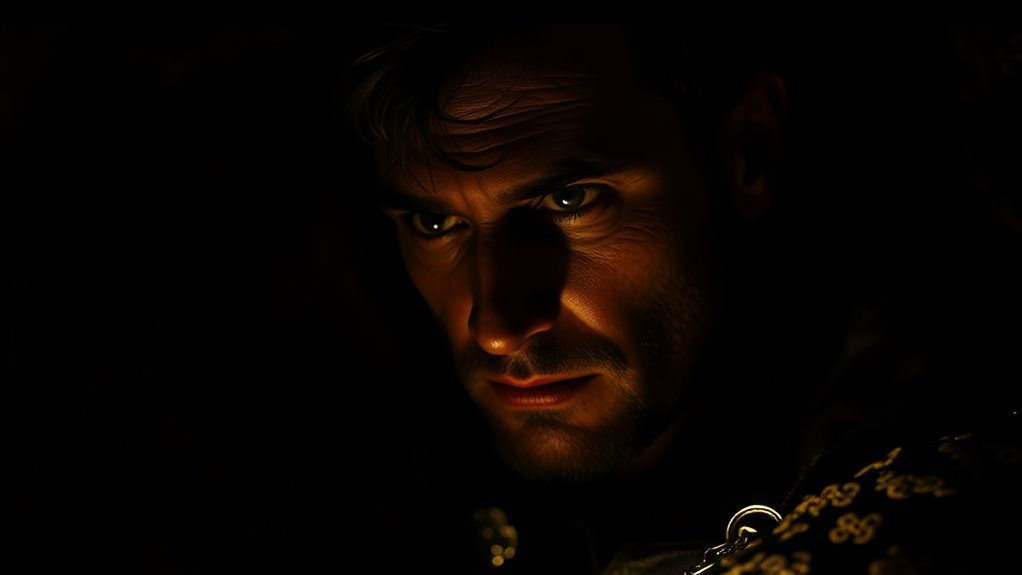
Lighting plays a pivotal role in setting the tone and mood of a dramatic trailer, instantly drawing viewers into the story. When you use color contrast effectively, it can evoke specific emotions and highlight key moments. Bright, warm hues might suggest hope or passion, while cold, muted tones convey fear or despair. By intentionally contrasting these colors, it can create visual tension that keeps your audience engaged. For example, placing a warm light against a shadowy background can focus attention on a crucial character or object, emphasizing its importance. This deliberate use of color contrast guides viewers’ eyes and enhances the emotional impact of each scene. Additionally, understanding the psychology of color can help you select hues that evoke the desired emotional response from your audience.
Shadow play is another powerful technique you should leverage to craft a compelling trailer. Shadows can add depth, mystery, and drama, making scenes more dynamic. When you position lights to cast long, stark shadows, you introduce an element of intrigue—what’s hidden in the darkness? Shadows also help shape the narrative tone; they can make a scene feel ominous or tense. By controlling shadow intensity and placement, you draw attention to specific details while partially obscuring others, creating a sense of suspense. For instance, a character emerging from darkness can symbolize transformation or reveal a hidden threat, adding layers to your storytelling.
Combining color contrast with shadow play allows you to craft visually striking images that resonate emotionally. You might use high contrast lighting to spotlight a protagonist in a dim environment, reinforcing their significance or inner conflict. Alternatively, subtle shadow transitions can evoke a sense of unease or ambiguity, leaving viewers questioning what’s real or what’s lurking just beyond the frame. When you manipulate these elements skillfully, you create a mood that’s palpable and immersive, making your trailer unforgettable.
cinematic lighting kit for filmmaking
As an affiliate, we earn on qualifying purchases.
As an affiliate, we earn on qualifying purchases.
Frequently Asked Questions
What Are the Best Color Palettes for Dramatic Trailer Lighting?
You should choose color palettes with bold color contrast, like deep reds and cool blues, to heighten emotional tone and create visual tension. Using contrasting hues makes scenes more striking and impactful, drawing viewers into the drama. Incorporate warm tones to evoke passion or fear, and cooler shades for mystery or calm. Balancing these colors thoughtfully enhances your trailer’s mood, making every shot feel intense and memorable.
How Can I Create a Moody Atmosphere With Minimal Equipment?
Think of your scene as a whisper in the dark. Use shadow play to create depth and mystery, highlighting key elements with minimal light. Silhouette techniques can turn figures into striking shapes, adding mood without complexity. Focus on controlling natural or existing light sources, positioning shadows to evoke emotion. Keep it simple, and let the contrast between light and dark tell your story, transforming your scene into a moody masterpiece.
What Lighting Setups Work Best for Outdoor Dramatic Scenes?
For outdoor dramatic scenes, you should use spotlight techniques to focus attention on key characters or objects, creating a sense of intensity. Incorporate shadow play by positioning lights to cast long, dramatic shadows, adding depth and mood. Use natural light creatively—such as golden hour or overcast skies—and supplement with portable lights or reflectors to control shadows and highlights, making your scene more compelling and visually striking.
How Do I Balance Natural and Artificial Lighting Effectively?
Balancing natural and artificial light is like blending day and night to create drama. You should diffuse natural light to soften harsh shadows and match the color temperature of artificial sources for seamless integration. Use gels or filters on your lights to warm or cool tones, ensuring consistency. By carefully adjusting both, you create a harmonious scene that feels authentic yet visually compelling, heightening the trailer’s emotional impact.
What Are Common Mistakes to Avoid in Dramatic Trailer Lighting?
You should avoid overexposure issues by carefully controlling your lighting levels, ensuring highlights don’t wash out details. Be cautious of inconsistent light sources, which can create unintentional mood shifts or visual confusion. Don’t rely solely on one lighting style; instead, maintain a cohesive look throughout your trailer. Failing to do so can distract viewers and undermine the dramatic impact. Proper planning and monitoring help you create a compelling, polished visual story.
LED color changing lights for videos
As an affiliate, we earn on qualifying purchases.
As an affiliate, we earn on qualifying purchases.
Conclusion
So, next time you’re trying to craft a dramatic trailer, remember that lighting isn’t just about visibility. Ironically, it’s about hiding as much as revealing—creating mystery and tension with shadows and contrast. Don’t be afraid to break the rules; sometimes, a little darkness can make your story shine brighter. After all, who knew that the secret to drama is simply playing with light and shadows? Happy filming!
As an affiliate, we earn on qualifying purchases.
dimmable studio lighting for trailers
As an affiliate, we earn on qualifying purchases.
As an affiliate, we earn on qualifying purchases.
Fall Picks
fall essentials
As an affiliate, we earn on qualifying purchases.