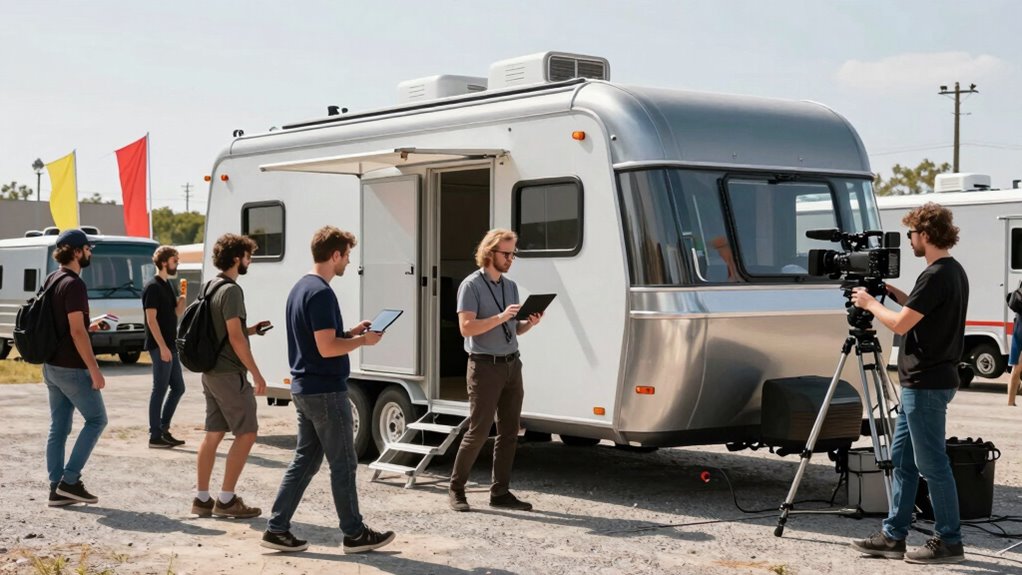
To make a trailer shoot day efficient, you need clear roles, coordinated schedules, and effective communication to keep everyone on the same page. Proper equipment setup and maintenance prevent delays, while a detailed plan keeps tasks organized and on track. Safety protocols and backup plans help avoid disruptions. By staying flexible and prepared, you can guarantee smooth operations. Want to learn more about streamlining your shoot day for maximum productivity?

Get movie-night favorites delivered free — and shop member deals
- Fast, free delivery on millions of items
- Access to Prime Big Deal Days deals on October 6–7
- Prime Video, Amazon Music and more included
Key Takeaways
- Establish clear roles, schedules, and communication to ensure everyone is prepared and aligned.
- Prepare and test all equipment beforehand to prevent technical delays during shooting.
- Create a detailed and flexible schedule to keep the day on track while accommodating unforeseen issues.
- Coordinate talent arrival times and paperwork to minimize downtime and maintain workflow.
- Implement safety protocols and designate a logistics coordinator to handle issues efficiently.
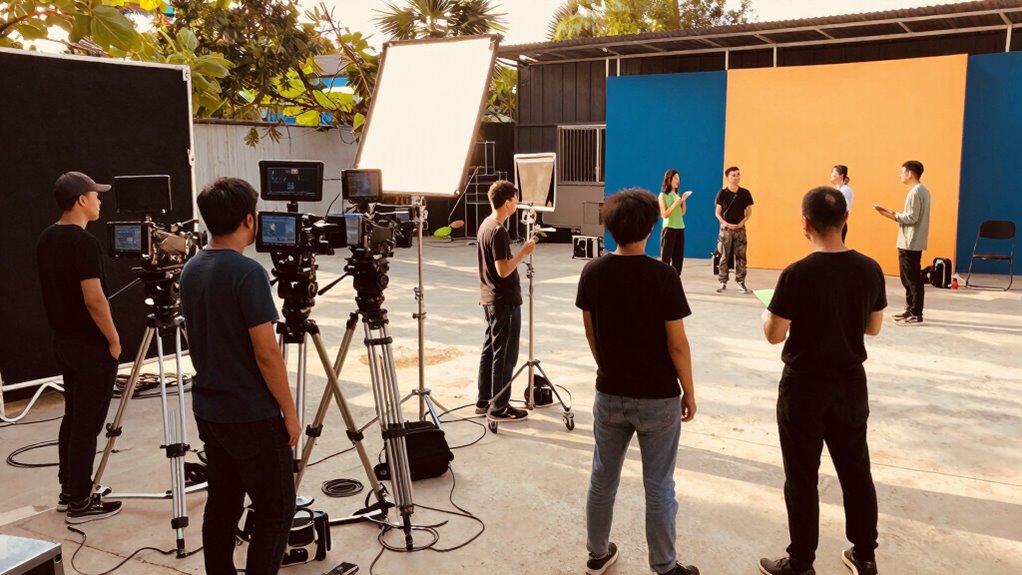
Ever wondered how some trailer shoot days run smoothly while others feel chaotic? The secret often lies in how well you plan and execute the foundational elements, starting with casting logistics and equipment setup. When casting logistics are handled efficiently, everyone knows their roles, arrival times are coordinated, and the cast is prepared, reducing delays caused by confusion or last-minute changes. You want your talent to arrive on time, ready to perform, with all necessary paperwork completed beforehand. Clear communication about schedules and expectations ensures that actors, extras, and crew members are aligned, minimizing downtime and keeping the day on track.
Efficient casting logistics and clear communication keep trailer shoot days smooth and on schedule.
Additionally, establishing a detailed schedule and timeline helps keep everyone focused and aware of upcoming tasks, which is crucial for maintaining efficiency throughout the day. Equally important is a well-organized equipment setup. Before the shoot begins, you should have a detailed plan outlining what gear you’ll need, where it will go, and how it will be powered and connected. This preparation prevents wasting time searching for equipment or troubleshooting technical issues mid-shoot. You need to guarantee that cameras, lighting, sound equipment, and accessories are all tested and ready to go before the first shot. Setting up in advance, with designated spots for each piece of equipment, streamlines the process and avoids bottlenecks. When you’re proactive about equipment logistics, you reduce the risk of delays due to faulty gear or missing components, allowing filming to proceed smoothly. Incorporating efficient workflow practices can also help streamline the entire process and ensure tasks are completed in a logical order. Moreover, understanding the importance of equipment quality can significantly impact the overall success of your shoot, as reliable gear minimizes technical disruptions. Ensuring regular maintenance of equipment beforehand can further decrease the chances of unexpected failures during the shoot. Being attentive to safety protocols also plays a vital role in preventing accidents that could halt production altogether.
On the day of shooting, effective communication is key. Confirm everyone’s roles, remind the cast of their call times, and ensure crew members know their tasks. Keep a detailed schedule, but also remain flexible to accommodate unforeseen issues. When you’re organized from the start, you can quickly adapt without losing momentum. Having all necessary permits, insurance, and safety protocols in place also helps prevent interruptions that could derail the schedule.
Furthermore, a designated team member responsible for overseeing logistics can make all the difference. They can troubleshoot problems on the fly, coordinate changes, and keep everyone informed. When casting logistics and equipment setup are prioritized, you create a workflow that minimizes downtime and maximizes productivity. This approach not only keeps the day running on time but also reduces stress and keeps morale high among cast and crew. Ultimately, the more prep you do upfront, the smoother and more efficient your trailer shoot day becomes, allowing you to capture the best footage without unnecessary delays.
professional camera equipment setup kit
As an affiliate, we earn on qualifying purchases.
As an affiliate, we earn on qualifying purchases.
Frequently Asked Questions
How Do I Manage Unexpected Weather Changes During a Shoot Day?
When unexpected weather changes occur, you should activate your weather contingency plan promptly. Keep an emergency planning kit on hand with rain gear, umbrellas, and protective covers for equipment. Communicate quickly with your team to adjust the schedule as needed. Staying flexible, monitoring weather updates, and having backup indoor locations can help you keep the shoot on track despite the weather. Proper emergency planning minimizes delays and keeps everyone safe.
What Are the Best Ways to Coordinate With the Cast and Crew?
Coordinate confidently by communicating clearly, confirming schedules, and cultivating camaraderie. Tackle scheduling conflicts early, ensuring everyone’s availability aligns, while coordinating wardrobe choices to prevent confusion and delays. Keep cast and crew connected through consistent updates, quick check-ins, and collaborative planning. Cultivating a cohesive, communicative environment minimizes misunderstandings, maximizes momentum, and maintains morale, making the day smoother and more successful. Clear communication and collaboration create a cohesive, efficient shoot environment.
How Can I Ensure Equipment Is Properly Maintained Beforehand?
You guarantee equipment is properly maintained by conducting thorough equipment inspections before the shoot, checking for any damage or issues. Implement a maintenance schedule that includes routine checks and servicing, so equipment stays in top condition. Keep detailed records of inspections and repairs, and address any problems promptly. Regular maintenance and proactive inspections prevent breakdowns, saving time and keeping your shoot day running smoothly and efficiently.
What Strategies Improve Communication on Set?
To improve communication on set, you should embrace the art of subtlety through visual cues and prioritize verbal clarity. Use clear, concise language and reinforce it with gestures or signals that everyone comprehends. Encourage an environment where team members feel comfortable asking questions or clarifying instructions. This blend of visual cues and precise speech ensures everyone stays on the same page, making your shoot day smoother and more productive.
How Do I Handle Last-Minute Script or Scene Changes?
When last-minute script or scene changes occur, stay flexible and adaptable. Embrace script flexibility by quickly reviewing the new material and adjusting your approach on set. Communicate clearly with your team to guarantee everyone understands the updates, and keep a positive attitude. Your ability to adapt scene-wise will maintain the shoot’s momentum, reduce delays, and keep the production running smoothly despite unexpected changes.
film lighting and sound gear bundle
As an affiliate, we earn on qualifying purchases.
As an affiliate, we earn on qualifying purchases.
Conclusion
By embracing meticulous planning, clear communication, and a flexible mindset, you turn a trailer shoot day into a well-oiled machine. Every moment becomes a brushstroke on your cinematic canvas, shaping a masterpiece with ease and grace. When you’re prepared and adaptable, the chaos transforms into a symphony of creativity, and your vision comes alive with vibrant clarity. Remember, efficiency isn’t just a goal—it’s the heartbeat that turns your cinematic dreams into reality.
film production safety equipment
As an affiliate, we earn on qualifying purchases.
As an affiliate, we earn on qualifying purchases.
As an affiliate, we earn on qualifying purchases.
Halloween Picks
halloween
As an affiliate, we earn on qualifying purchases.