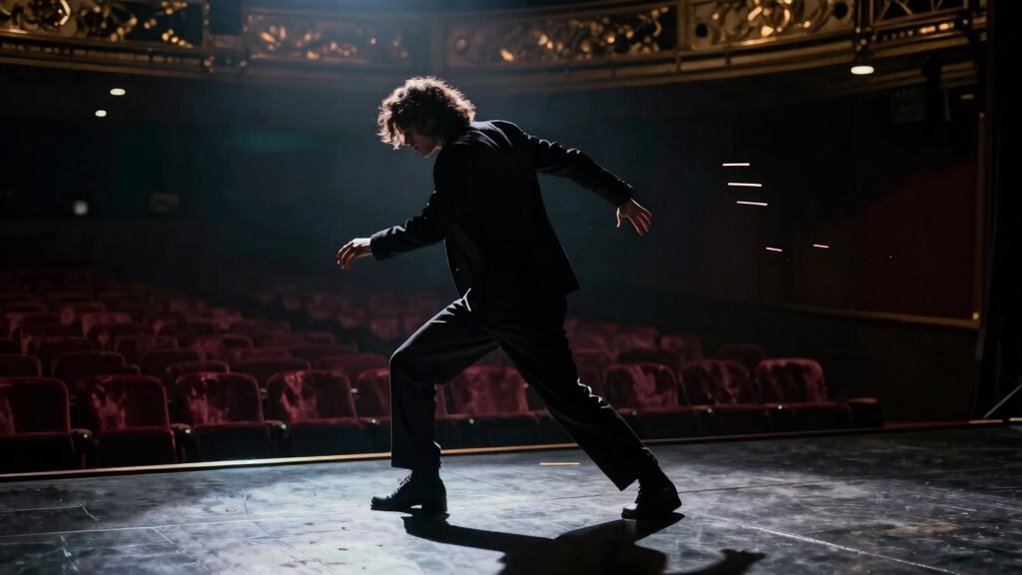

The secret to trailer pacing that keeps viewers watching lies in balancing visual rhythm with emotional buildup. You want to guide viewers smoothly from curiosity to anticipation by carefully timing shots, mixing quick cuts with slower moments, and escalating tension gradually. Proper pacing creates a natural flow that feels instinctive and engaging. When elements are intentionally placed, your trailer will build excitement and hold attention. Stick around, and you’ll discover how to master this art for maximum impact.
Key Takeaways
- Balance quick cuts with slower, atmospheric shots to maintain visual interest without overwhelming the audience.
- Gradually escalate tension through strategic shot sequencing and increasing music intensity.
- Use purposeful pauses to allow viewers to process information before building anticipation.
- Align visual rhythm with emotional cues to create a cohesive storytelling flow.
- Carefully place moments of release and tension to mimic natural storytelling and sustain engagement.
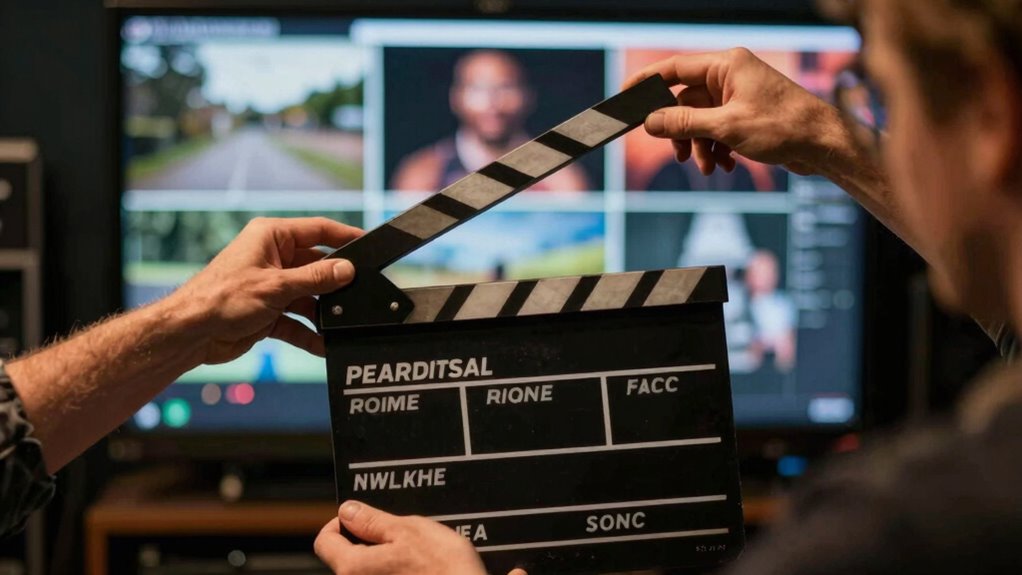
Ever wonder what makes a movie trailer feel just right—exciting yet not overwhelming? The secret lies in mastering trailer pacing, which hinges on a delicate balance between visual rhythm and emotional buildup. When you watch a well-paced trailer, you don’t just see snippets of scenes; you experience a flow that guides your emotions smoothly from curiosity to anticipation. Visual rhythm plays a vital role here. It’s about the timing and sequencing of shots, guaranteeing each clip transitions seamlessly into the next without feeling rushed or sluggish. You’ll notice that the quick cuts are often balanced with longer, more atmospheric shots, creating a rhythm that feels natural rather than chaotic. This rhythm keeps your eyes engaged, moving effortlessly from one scene to another, while building suspense and excitement gradually.
Mastering trailer pacing balances visual rhythm and emotional buildup to keep viewers engaged and eager for more.
Alongside visual rhythm, emotional buildup is key. You want each shot and music cue to escalate your feelings, leading to a crescendo that leaves you enthusiastic for more. When the pacing is right, the trailer introduces just enough information to pique curiosity without giving everything away. You start with a sense of mystery, then slowly reveal bits of the story, characters, or stakes, carefully amplifying your emotional investment. This gradual increase in intensity guarantees you stay hooked, enthusiastic to see the full movie, but not overwhelmed by too many rapid-fire images or jarring cuts. Instead, the emotional buildup becomes a journey, guiding you through a rollercoaster of anticipation.
The trick is to find that sweet spot where visual rhythm and emotional buildup work together harmoniously. When executed well, the pacing feels instinctive—each scene, each beat, is placed intentionally to maintain your interest. You might notice a pattern where calmer moments allow you to process what you’ve just seen, before a quick burst of action or a striking visual re-engages your attention. This ebb and flow is what keeps viewers watching, as it mimics the natural rhythm of storytelling, pulling you into the world of the film. Additionally, understanding how content flow is managed in the trailer helps in grasping how pacing influences viewer engagement. Recognizing the importance of storytelling structure can further refine how a trailer’s pacing guides emotional impact. A well-structured trailer also considers visual cues that subtly direct the viewer’s focus and emotional response, ensuring each element is purposefully placed. Incorporating timing and sequencing techniques can enhance the overall pacing, making the trailer more compelling.
Ultimately, the secret to trailer pacing isn’t just about being fast or slow. It’s about understanding how to manipulate visual rhythm and emotional buildup to create an experience that’s exciting, engaging, and perfectly calibrated. When these elements come together, you don’t just watch a trailer—you feel its pulse, and that feeling is what keeps you hooked, enthusiastic to see the movie in full.
video editing software for trailer pacing
As an affiliate, we earn on qualifying purchases.
As an affiliate, we earn on qualifying purchases.
Frequently Asked Questions
How Do Trailers Differ Across Genres?
Trailers differ across genres by aligning with genre conventions and audience expectations. For example, action trailers emphasize fast-paced editing and adrenaline-pumping scenes, while romantic trailers focus on emotional moments and character connections. You shape your trailer’s pacing to meet these expectations, using quick cuts for thrillers or slower builds for dramas. Understanding genre conventions helps you craft trailers that captivate your target audience and keep them watching.
What Role Does Music Play in Trailer Pacing?
Music acts as the heartbeat of trailer pacing, guiding your emotions like a skilled conductor. It influences the viewer’s emotional build, intensifying excitement or suspense at just the right moments. By syncing crescendos with quick cuts or slowing down for dramatic reveals, music shapes how viewers feel and stay engaged throughout. Your choice of soundtrack can turn a good trailer into a memorable experience that keeps audiences hooked from start to finish.
How Long Should a Trailer Be for Maximum Impact?
You should aim for a trailer length of about 1.5 to 2 minutes to maximize impact. This duration allows you to craft compelling visual storytelling that builds audience anticipation without overstaying its welcome. Keep your pacing tight, showcase key moments, and leave enough mystery to pique curiosity. An ideal length guarantees viewers stay engaged, enthusiastic to see more, and leaves a lasting impression that drives them to watch the full film.
Can Pacing Techniques Vary for International Audiences?
Yes, pacing techniques can vary for international audiences because of cultural preferences and language differences. You should tailor the trailer’s rhythm to match viewer expectations in different regions, emphasizing faster cuts for energetic cultures or slower shifts for more contemplative ones. Adjusting pacing guarantees your trailer resonates globally, keeping viewers engaged regardless of their background. By understanding these nuances, you create a more compelling, universally appealing trailer that maintains attention across diverse markets.
How Are Trailer Pacing Strategies Tested Before Release?
You test trailers with audiences who provide feedback on pacing, often revealing surprises. Ironically, what feels exciting to one group might drag for another. Based on this, producers make pacing adjustments, fine-tuning the trailer’s rhythm and sequence. Test audiences help identify moments that lose viewers’ interest, allowing for strategic edits. This process guarantees the trailer maintains momentum and keeps viewers hooked before it hits the big screen.
As an affiliate, we earn on qualifying purchases.
Conclusion
Mastering trailer pacing keeps viewers hooked from start to finish. Remember, a well-paced trailer can boost a film’s box office by up to 30%, showing just how vital timing is. By balancing suspense, revealing just enough, and maintaining a rhythm that excites, you turn casual viewers into enthusiastic audiences. Keep experimenting with pacing techniques, and you’ll craft trailers that not only captivate but also leave audiences desperate for more. Your next great trailer is just pacing away!
shot transition effects for trailers
As an affiliate, we earn on qualifying purchases.
As an affiliate, we earn on qualifying purchases.
music synchronization software for videos
As an affiliate, we earn on qualifying purchases.
As an affiliate, we earn on qualifying purchases.