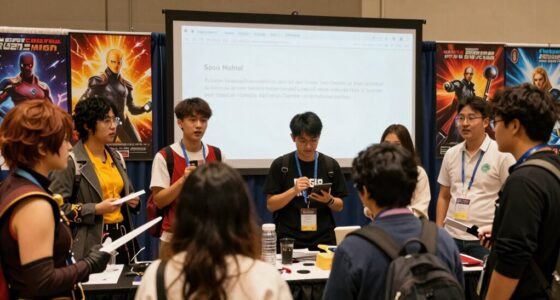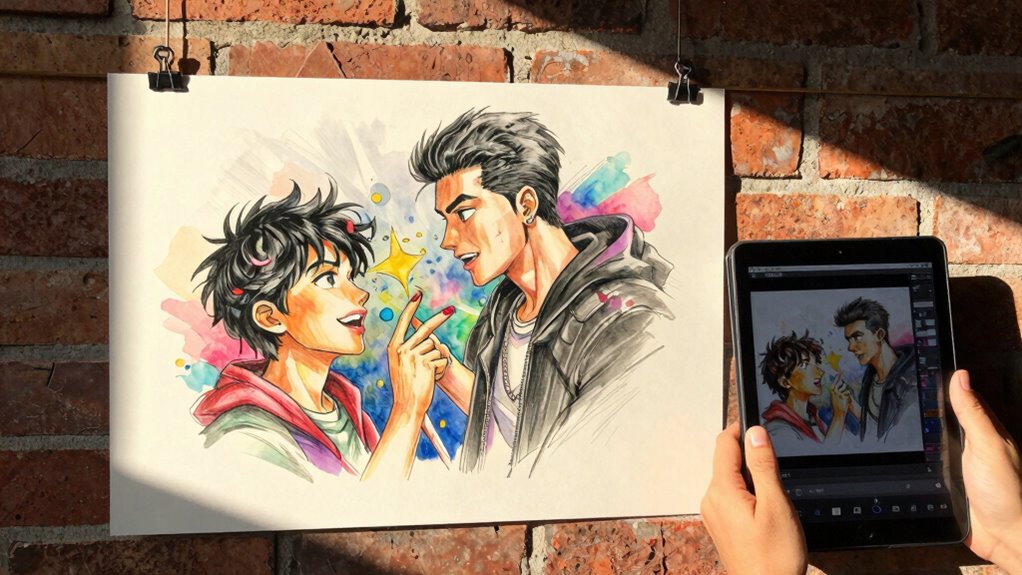

Fan art is more than free promotion because it allows you to express your creativity and connect deeply with your favorite stories and characters. It’s a way to share your passion, learn new skills, and engage with a community that values shared interests. Creating fan art fosters a cultural exchange that respects creators’ rights while helping you grow personally and artistically. Keep exploring, and you’ll discover how fan art builds meaningful connections beyond just promotion.
Key Takeaways
- Fan art fosters creative expression and deepens emotional connections with beloved stories and characters.
- It serves as a visual dialogue that enhances community engagement and cultural participation.
- Creating fan art helps artists develop their skills and interpret source material more personally.
- Respect for intellectual property ensures fan art celebrates without claiming ownership or commercial intent.
- Fan art contributes to ongoing cultural conversations, enriching the shared universe beyond mere promotion.
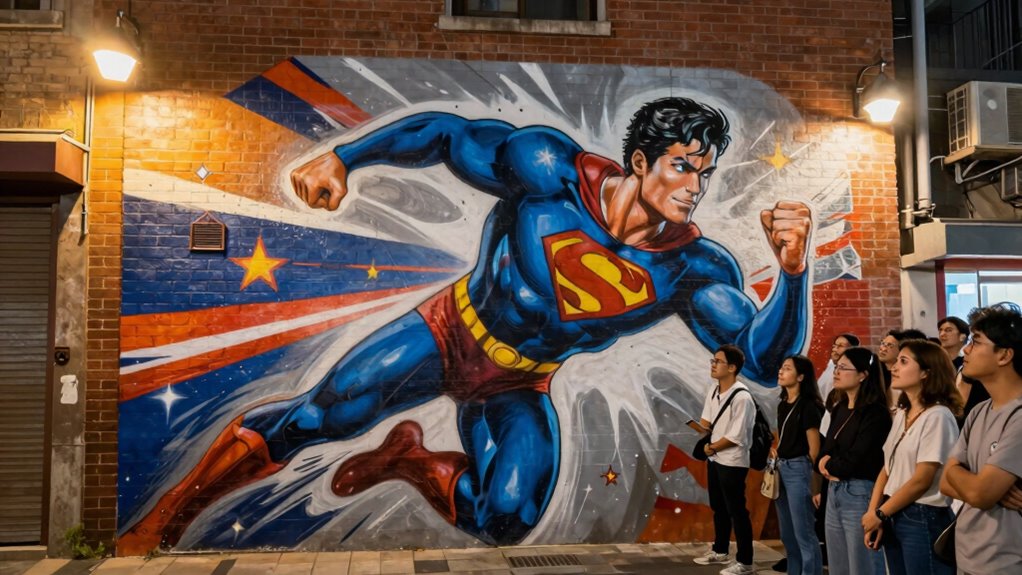
Fan art has often been seen as simple free promotion for creators, but it’s much more than that. When you create fan art, you’re engaging in a form of creative expression that connects you directly to the stories, characters, and worlds you love. It’s a way to showcase your skills, share your passion, and participate in a community that values creativity. While some might see it merely as free marketing, fan art actually embodies a deeper, more meaningful exchange of ideas and inspirations.
Fan art is more than promotion—it’s a heartfelt connection, creative expression, and a shared celebration of beloved stories and characters.
However, it’s important to understand the role of intellectual property in this process. The original works—whether they’re comic books, movies, or games—are protected by intellectual property laws. These laws give creators control over how their creations are used and adapted. When you make fan art, you’re operating in a legal gray area; technically, you’re referencing someone else’s intellectual property. This isn’t necessarily illegal, but it does mean you need to be aware of the boundaries. Respectful fan art often avoids commercial use or claims of ownership, recognizing the original creator’s rights. Still, the act of creating fan art is a powerful way to celebrate and interpret existing intellectual property, blending homage with personal expression.
Your creative expression through fan art allows you to explore your skills and perspectives. You might reinterpret a character’s design, imagine new storylines, or depict emotional moments that resonate with you. This process not only hones your artistic abilities but also deepens your understanding of the source material. It’s a dialogue—a visual conversation—that bridges you with the creators and other fans. Fan art becomes a form of tribute, a way to participate in the ongoing life of a universe, and to contribute your voice to a shared cultural experience. Additionally, engaging with fan art can help you develop a stronger portfolio, opening doors for professional opportunities in the creative industry. Recognizing and respecting intellectual property rights is essential to navigate this creative space responsibly.
Moreover, understanding the legal nuances involved can help artists avoid potential conflicts and foster respectful collaborations. Appreciating the significance of brand reputation can influence how fan art is shared and perceived within the community. Ultimately, fan art is about community engagement, as it fosters connections and shared enthusiasm among fans worldwide.
As an affiliate, we earn on qualifying purchases.
Frequently Asked Questions
How Does Fan Art Impact Official Licensing Agreements?
Fan art impacts official licensing agreements by influencing perceptions of authenticity and popularity, which can sway licensing negotiations. When your fan art demonstrates genuine passion and aligns with the brand’s image, it may encourage licensors to contemplate new licensing opportunities. However, if fan art infringes on intellectual property or dilutes brand authenticity, it can complicate licensing talks, making licensors cautious about formal collaborations. Your creative work shapes the broader licensing landscape considerably.
Can Fan Art Influence Future Character or Story Development?
Fan art inspiration can definitely influence future character or story development. When creators see popular fan interpretations and character redesigns, they might incorporate those ideas into official versions, adding depth and freshness. This pattern suggests a reciprocal relationship where fan creativity sparks innovation, encouraging writers and artists to explore new directions. So, your fan art could shape upcoming storylines, making characters more relatable or visually compelling, ultimately enriching the franchise.
What Legal Risks Are Associated With Creating Fan Art?
When creating fan art, you face legal risks like infringing on intellectual property rights and copyright infringement. If you don’t get permission from the original creator or rights holder, you could be sued or face legal action. Always respect copyright laws, avoid commercial use without authorization, and credit the original creators. Being aware of these risks helps you stay safe while celebrating your favorite characters through art.
How Do Fans’ Perceptions Change With Different Types of Fan Art?
Your perceptions of fan art shift based on its type, influencing how you see creators and communities. Creative expression through original or respectful fan art fosters positive community engagement, making you appreciate artists’ talents and dedication. Conversely, overly commercial or derivative works may evoke skepticism or frustration. Different types of fan art shape your view of the fan community, highlighting the importance of authenticity and respect in artistic tribute.
Is There a Way for Artists to Monetize Their Fan Art Legally?
You can monetize your fan art legally by respecting intellectual property rights and creating original works inspired by existing characters. While official licensing can be complex, some artists sell prints or merchandise under fair use or through licensing agreements. Remember, your creative expression is valuable, but understanding copyright laws helps you avoid legal trouble. By maneuvering these boundaries carefully, you turn your passion into profit while honoring the original creators.
digital drawing tablet for fan art
As an affiliate, we earn on qualifying purchases.
As an affiliate, we earn on qualifying purchases.
Conclusion
You might see fan art as just free promotion, but it’s so much more. Think of it like planting a seed; what starts as a simple sketch can grow into a vibrant tree of community and creativity. When a fan drew a heartfelt tribute to your work, it wasn’t just promotion—it was genuine passion. That’s the power of fan art: it transforms viewers into ambassadors, nurturing your world far beyond what advertising ever could.
art supplies for digital artists
As an affiliate, we earn on qualifying purchases.
As an affiliate, we earn on qualifying purchases.
As an affiliate, we earn on qualifying purchases.