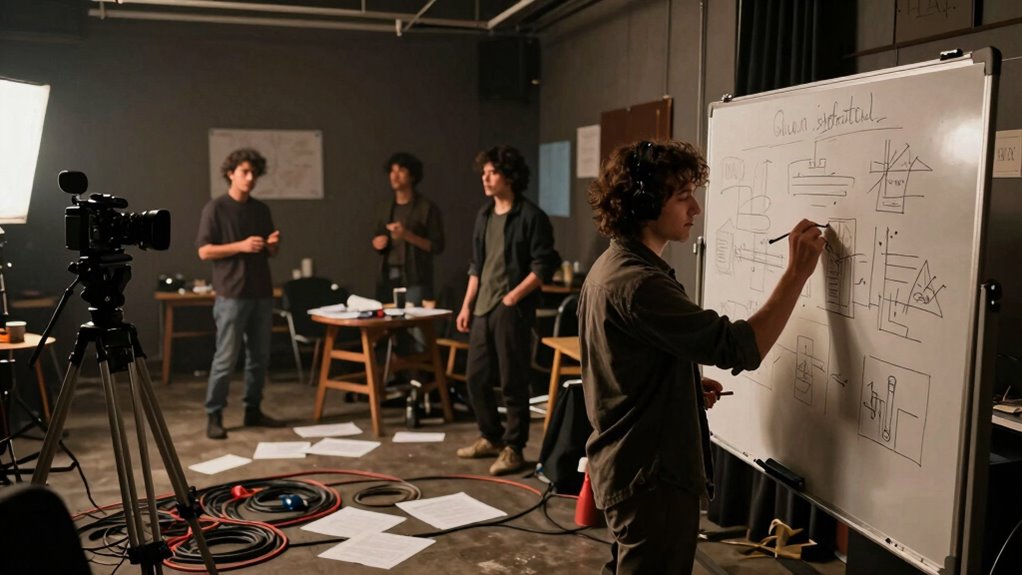

As an indie filmmaker, adopting systems thinking helps you see the entire project as interconnected, enabling smarter decisions that balance budget, creativity, and audience impact. Instead of obsessing over perfect specs, you’ll understand how each element influences the whole, from budgeting to storytelling. This approach improves resource allocation, reduces delays, and creates a more cohesive film. If you keep exploring, you’ll discover how this mindset can transform your filmmaking process for better results.
Key Takeaways
- Systems thinking enables indie filmmakers to manage limited resources effectively across the entire project lifecycle.
- It promotes holistic decision-making, reducing the risk of costly over-investment in isolated elements.
- Emphasizing the big picture helps align creative goals with budget constraints and audience engagement.
- It encourages adaptability, allowing filmmakers to pivot efficiently based on feedback and resource availability.
- Systems thinking fosters sustainable practices, ensuring long-term success beyond single projects or speculative efforts.
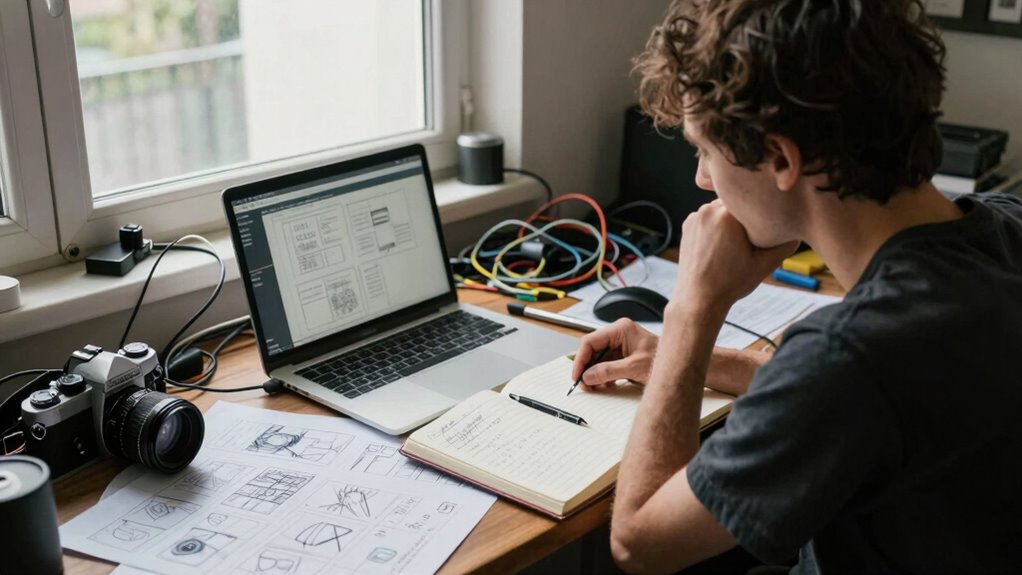
Have you ever wondered how indie filmmakers juggle the complex web of decisions, resources, and creative goals? It’s a constant balancing act, where every choice impacts the next, and success hinges on your ability to see the bigger picture. That’s where systems thinking becomes essential. Instead of fixating solely on a specific shot or a perfect scene, you need to understand how each element interacts within the entire filmmaking process. This approach helps you manage your budget more effectively, ensuring that every dollar is allocated wisely across pre-production, production, and post-production. Instead of rushing to get every shot perfect, you consider how each decision affects your overall resources, allowing you to cut costs without sacrificing quality. Systems thinking encourages you to view your project as a living organism—adapting and shifting based on feedback, constraints, and opportunities. This mindset helps you avoid tunnel vision, which often leads to over-investing in one area at the expense of others, ultimately risking project delays or budget overruns. Recognizing the interconnected nature of each decision enhances your ability to make strategic choices that support your overall goals.
Audience engagement is another critical area where systems thinking proves invaluable. You’re not just creating a film for the sake of artistic expression; you’re crafting an experience for your viewers. By understanding how different components—script, visuals, sound, marketing—interact, you can design a cohesive narrative that resonates. Instead of focusing solely on the technical perfection of individual scenes, you think about how each element contributes to the audience’s emotional journey. This holistic perspective helps you identify what truly matters to your viewers, allowing you to prioritize scenes, marketing efforts, and distribution channels that maximize engagement. When you approach your project with systems thinking, you’re better equipped to anticipate how changes in one part of the process can ripple through the entire project, affecting audience perception and connection. Developing a holistic view of your project ensures that all elements work together seamlessly, creating a more engaging and memorable film experience. Additionally, considering the broader conservation of resources can lead to more sustainable filmmaking practices, reducing waste and environmental impact. Incorporating systems thinking also helps you better utilize technology and tools to streamline workflows and improve overall efficiency.
Ultimately, indie filmmaking requires more than just passion; it demands strategic thinking. Systems thinking arms you with the ability to see beyond immediate tasks, helping you make smarter decisions about budget management and audience engagement. It encourages you to be adaptable, resourceful, and mindful of how all parts work together to bring your vision to life. Instead of obsessing over perfection for its own sake, you learn to optimize your resources and craft a film that not only fits your budget but also deeply connects with your audience. This shift in perspective isn’t just helpful—it’s essential for indie filmmakers aiming to turn their creative dreams into reality without losing sight of the bigger picture. Embracing systems thinking can transform the way you approach every stage of your project, leading to more sustainable and impactful filmmaking.
indie filmmaking budgeting software
As an affiliate, we earn on qualifying purchases.
As an affiliate, we earn on qualifying purchases.
Frequently Asked Questions
How Can Systems Thinking Improve Budget Management for Indie Filmmakers?
Systems thinking improves your budget management by helping you see the big picture, enabling better resource allocation and budget optimization. You can identify how different expenses interconnect and anticipate potential cost overruns before they happen. This approach allows you to prioritize spending, cut unnecessary costs, and allocate resources more effectively. Ultimately, it keeps your project on track financially, ensuring you make the most of every dollar without sacrificing quality.
What Are Common Challenges When Applying Systems Thinking in Film Production?
When applying systems thinking in film production, you often face challenges like managing narrative complexity and casting coordination. You might struggle to see how different parts of your project influence each other, leading to overlooked details. Balancing creative storytelling with logistical needs becomes tricky, especially when coordinating multiple teams. These hurdles require you to develop a holistic view, ensuring all elements work together seamlessly without losing sight of your overall vision.
How Does Systems Thinking Influence Creative Decision-Making Processes?
Imagine a tapestry weaving together vibrant threads of your ideas—that’s how systems thinking shapes your creative decision-making. It fosters creative synergy by connecting diverse elements, ensuring each choice supports the bigger picture. This approach enhances narrative coherence, helping you see how scenes, characters, and themes interact. By viewing your project holistically, you make smarter, more intentional decisions, turning individual elements into a harmonious, compelling story.
Can Systems Thinking Help in Marketing and Distribution Strategies?
Yes, systems thinking helps you craft effective marketing and distribution strategies by improving audience targeting and brand positioning. You see how each element interacts within the larger ecosystem, allowing you to identify key touchpoints and tailor your message. This holistic approach guarantees your film reaches the right viewers and strengthens your brand identity, ultimately increasing your chances of success in a competitive indie market.
What Tools Assist Indie Filmmakers in Implementing Systems Thinking?
You can harness tools like Trello or Notion to streamline your workflow and boost collaboration. These platforms help you visualize processes, identify bottlenecks, and coordinate team efforts seamlessly. By integrating project management apps, you optimize your workflow and foster collaboration enhancement. These tools act as your guiding compass, making complex filmmaking tasks more manageable, allowing you to focus on creativity while maintaining a clear picture of your project’s overall system.
As an affiliate, we earn on qualifying purchases.
Conclusion
Just as Da Vinci saw the interconnectedness of art and science, embracing systems thinking helps you see the bigger picture in filmmaking. When you view your project as a living, breathing ecosystem, you’re better equipped to navigate challenges and craft a cohesive story. Instead of obsessing over specs, focus on how each element influences the whole—like a symphony where every instrument matters. Ultimately, this perspective turns chaos into harmony, guiding your indie film to resonate beyond the screen.
cinematography shot list organizer
As an affiliate, we earn on qualifying purchases.
As an affiliate, we earn on qualifying purchases.
film editing and post-production workflow
As an affiliate, we earn on qualifying purchases.
As an affiliate, we earn on qualifying purchases.