When deciding to own or rent production gear, consider your budget, usage frequency, and operational needs. Ownership involves higher upfront costs but can save money over time if you have consistent, high-volume demands, giving you control over maintenance and scheduling. Renting reduces initial investment, offers flexibility, and keeps you updated with the latest technology, with maintenance handled by the provider. To make the best choice, explore how costs, flexibility, and business goals align with each option—more details can guide your decision.
Key Takeaways
- Ownership benefits those with consistent, high-volume production, as long-term costs may be lower than rental expenses.
- Renting offers flexibility for project-based needs and access to the latest technology without significant upfront investment.
- Owning gear requires maintenance, storage, and operational responsibilities, increasing ongoing costs and logistical considerations.
- Renting reduces operational burdens by including delivery, setup, and support, streamlining logistics and minimizing downtime.
- A thorough cost-benefit analysis weighing initial investment, operational costs, flexibility, and future growth prospects guides optimal decision-making.
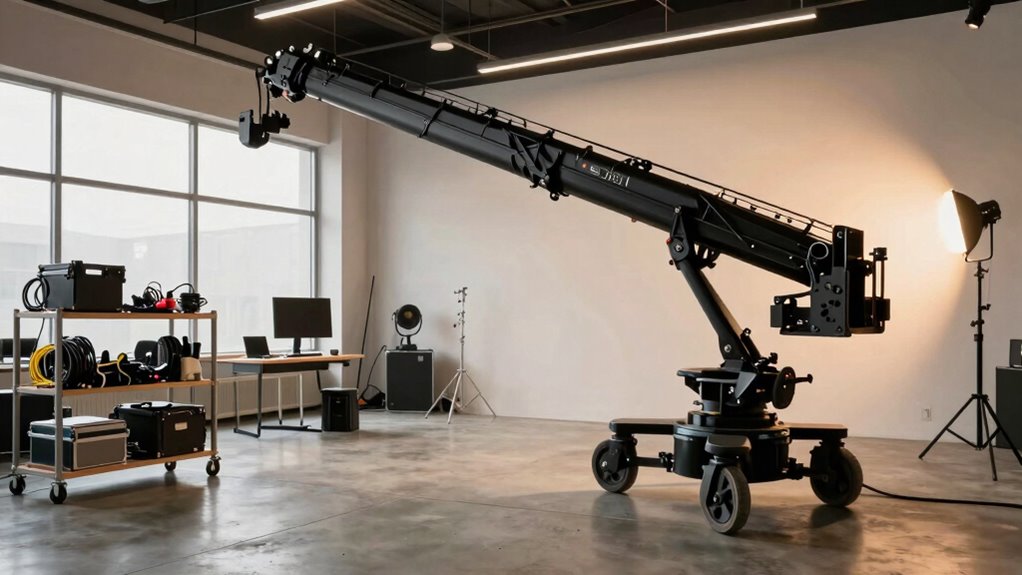
Deciding whether to own or rent production gear can substantially impact your business’s bottom line, and making the right choice depends on understanding the financial and operational implications. When considering ownership, you need to conduct a thorough cost analysis to determine if the upfront investment aligns with your budget and long-term goals. Buying equipment involves significant initial costs, but it can offer savings over time if you frequently use the gear. You’ll also want to factor in maintenance responsibilities, which can add unexpected expenses and downtime if not managed properly. Ownership means you’re responsible for routine upkeep, repairs, and upgrades, which can become costly and time-consuming. On the other hand, renting shifts those responsibilities to the rental provider, allowing you to avoid maintenance costs and focus on your core operations. With rental gear, maintenance is typically included in the rental fee, reducing your unpredictable expenses and freeing up cash flow for other needs. Additionally, understanding the cost implications of each option helps ensure a financially sound decision.
Owning gear offers control and potential savings, but requires ongoing maintenance and upfront investment. Renting provides flexibility and reduces responsibilities.
However, owning gear might make more sense if your production demands are consistent and high-volume. In this case, the cumulative cost of renting could surpass the expense of ownership over time. Plus, owning equipment provides immediate availability; you’re not dependent on rental schedules or availability constraints. This can be vital if your projects require quick turnaround times or have tight deadlines. Conversely, if your production needs are sporadic or project-based, renting becomes more attractive. It offers flexibility without the long-term commitment, and you can swap out or upgrade equipment as technology advances without being tied to obsolete gear. Furthermore, the initial investment required for ownership might be justified if you anticipate future growth or expansion in your operations.
Moreover, some industries benefit from the latest technology which can be more easily accessed through renting, allowing you to stay competitive without constantly upgrading owned equipment. You also need to assess the operational implications of owning versus renting. Owning gear means you have control over scheduling and can tailor maintenance routines to your preferences, but it also demands dedicated storage space and trained personnel to handle upkeep. Renting, however, simplifies logistics—rental companies often provide equipment delivery, setup, and support, which reduces your operational burden. Additionally, renting allows you to test new technology without a significant financial investment, helping you stay current with industry standards.
Ultimately, your decision hinges on a detailed cost analysis that weighs initial costs, ongoing maintenance responsibilities, operational flexibility, and how frequently you’ll use the equipment. If you prioritize control and long-term savings for high-volume use, ownership could be the smarter choice. But if flexibility, reduced responsibilities, and lower upfront costs are more aligned with your business model, renting might serve you better. Carefully evaluating these factors ensures you make an informed decision that supports your company’s efficiency and profitability.
professional production gear rental
As an affiliate, we earn on qualifying purchases.
As an affiliate, we earn on qualifying purchases.
Frequently Asked Questions
How Do Maintenance Costs Impact the Total Ownership Expense?
Maintenance costs considerably impact your total ownership expense by increasing operational costs over the equipment’s lifecycle. Regular upkeep and repairs can add up, reducing your profit margins if not managed carefully. Owning gear means you’re responsible for these ongoing costs, so you need to factor them into your overall budget. Proper maintenance extends equipment lifespan, but neglecting it can lead to costly breakdowns, ultimately affecting your return on investment.
What Are the Tax Implications of Owning Versus Renting Gear?
Did you know that businesses can often benefit from significant tax advantages? When you own gear, you can leverage depreciation deductions, which reduce taxable income over time. This offers tax benefits that renting doesn’t typically provide, as rental expenses are fully deductible in the year they’re paid. Owning gear allows you to maximize these deductions, potentially lowering your overall tax liability and improving cash flow, making ownership financially attractive.
How Does Technology Obsolescence Affect Long-Term Ownership Decisions?
Technological obsolescence substantially impacts your long-term ownership decisions by making frequent technological upgrades necessary. As innovation cycles accelerate, your gear risks becoming outdated faster, leading to higher replacement costs. Owning equipment means you’re responsible for staying current, which can be costly over time. Renting offers flexibility, allowing you to access the latest technology without the burden of obsolescence, making it a smarter choice if innovation cycles are rapid.
What Are the Risks of Equipment Downtime in Renting Versus Owning?
Equipment downtime can strike like a lightning bolt, crippling your projects. When you own gear, you control maintenance, reducing unexpected failures and extending equipment lifespan. Renting offers rental flexibility, allowing quick swaps if issues occur, but dependence on rental company responsiveness can risk prolonged downtime. Your choice impacts operational reliability: owning minimizes downtime risks over time, while renting provides agility but may expose you to unpredictable delays.
How Does Project Scale Influence the Decision to Buy or Rent?
When considering project scale, you should weigh cost flexibility and equipment accessibility. For small projects, renting offers cost flexibility, allowing you to adapt quickly without significant upfront investment. Larger-scale projects benefit from owning gear, ensuring equipment accessibility whenever needed and potentially reducing ongoing rental costs. Your choice depends on balancing these factors—if your project demands frequent, long-term use, owning makes sense; for sporadic or short-term needs, renting is more practical.
production equipment for video shoots
As an affiliate, we earn on qualifying purchases.
As an affiliate, we earn on qualifying purchases.
Conclusion
As you weigh the decision, imagine the possibilities—your gear ready at a moment’s notice, each project seamlessly flowing into the next. But what if the true cost isn’t just dollars, but missed opportunities? Owning might release your creative freedom, yet renting keeps you agile, adapting to any challenge. The choice isn’t simple, and the stakes are high. Will you seize control or stay flexible? The next move could define your entire production journey.
high-volume production gear ownership
As an affiliate, we earn on qualifying purchases.
As an affiliate, we earn on qualifying purchases.
latest production technology equipment
As an affiliate, we earn on qualifying purchases.
As an affiliate, we earn on qualifying purchases.