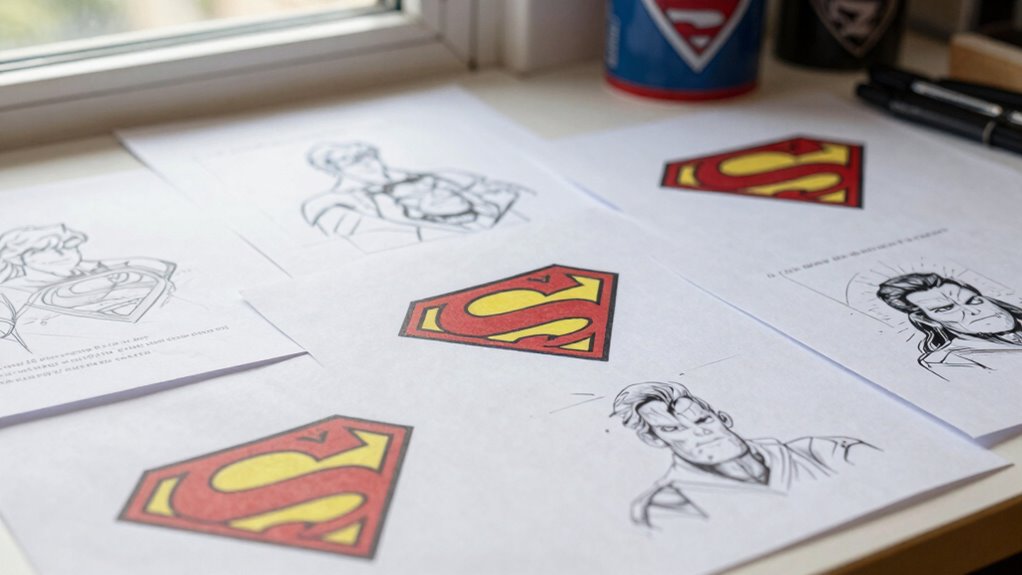

Trademark confusion can hurt your fan film by making it seem like you have official approval, which can lead to legal actions like cease and desist orders or lawsuits. Using logos or brand names without permission might cause viewers to think your project is endorsed by the brand, risking reputation damage. If rights holders see your project as misleading, they can shut it down or take legal steps against you. To find out more, explore how to protect your passion while avoiding legal pitfalls.
Key Takeaways
- Trademark confusion can lead consumers to believe the fan film is officially endorsed or affiliated, causing reputational harm.
- It increases the risk of legal action from rights holders, including cease and desist orders or lawsuits.
- Misusing trademarks may dilute the brand’s identity, weakening its value and recognition.
- Legal disputes over trademark infringement can halt production and limit future creative opportunities.
- Confusion can damage both the fan project’s credibility and the original brand’s market integrity.

Fan films often blur the lines between creative expression and trademark rights, leading to confusion about what is legally permissible. If you’re creating a fan film, it’s easy to assume that because your project is non-commercial and rooted in admiration, it’s automatically okay. However, this isn’t always the case. Trademark law is designed to protect brands and logos from unauthorized use that could cause consumer confusion or dilute the brand’s identity. When you use a trademarked name or logo without permission, you risk crossing legal boundaries, which can lead to serious copyright disputes. These disputes aren’t just about legality; they can threaten your entire project.
Fan films risk legal issues if they use trademarks without permission, threatening their projects and reputation.
When companies see fan films that incorporate their trademarks, they may interpret this as an attempt to mislead viewers or imply endorsement. This can prompt legal action, including cease and desist orders or even lawsuits. Such actions aren’t always about profit—they’re about protecting their brand image and preventing consumer confusion. If your fan film unintentionally uses a trademarked element in a way that suggests official approval, you could face claims of trademark infringement. This not only halts your project but may also lead to damages or financial penalties.
You might think that because your intentions are purely for fun, you’re safe, but copyright disputes often focus on the potential for consumer confusion or brand dilution. Even if you believe your use is fair, companies can argue that your project damages their brand or causes confusion among viewers. This can make legal boundaries blurry, especially if your fan film gains popularity. The more visible your project becomes, the more likely it is to attract attention from rights holders who want to protect their trademarks.
Understanding the distinction between copyright and trademark rights is crucial, as trademark confusion can have serious implications for your project. Navigating these issues requires understanding that copyright disputes often go hand-in-hand with trademark concerns. While copyright covers the creative aspects like story and characters, trademarks protect branding elements. If your fan film uses logos, character names, or distinctive visual styles associated with the original, you’re treading carefully. Violating trademark rights can result in your project being shut down, and it might damage your reputation or future work. Recognizing the importance of trademark law and respecting brand guidelines is essential to avoid legal complications. To avoid these pitfalls, it’s essential to respect legal boundaries, seek permissions where possible, and clearly understand that what seems harmless might have serious legal repercussions. Additionally, staying informed about brand protection and regulations can help you better navigate the potential legal risks involved. Recognizing the legal boundaries involved in using branded elements is key to protecting your creative passion and ensuring your project stays within the law. Ultimately, protecting your creative passion means being aware of how trademark confusion can harm your fan film project and taking steps to stay within the law. Being aware of trademark enforcement actions can help you better understand the risks of unauthorized use.
trademark disclaimer sign for fan projects
As an affiliate, we earn on qualifying purchases.
As an affiliate, we earn on qualifying purchases.
Frequently Asked Questions
Can I Sell My Fan Film Legally?
You generally can’t sell your fan film legally without proper fan film licensing, especially since trademark disputes could arise. Selling it might infringe on the original rights holders’ trademarks, leading to legal issues. To stay safe, seek permission or licensing from rights holders before selling. Without licensing, you risk trademark disputes that could shut down your project or lead to legal action, so always guarantee you’re compliant with intellectual property laws.
What Are the Risks of Using Copyrighted Music?
Using copyrighted music might seem harmless, but the risks are real. You could face copyright infringement claims, which means legal trouble and takedown notices. Even if your fan film is non-commercial, you still need music licensing and copyright clearance to avoid fines or lawsuits. Ironically, assuming you can use any song without proper permission might seem like a shortcut, but it’s the fastest way to ruin your project.
How Do I Register My Fan Film?
To register your fan film, start by securing fan film licensing from the original rights holders to avoid legal issues. Next, confirm you have trademark clearance for any logos or brands featured in your project. This process involves contacting the trademark holders for permission. By doing so, you protect your project from potential legal disputes and demonstrate respect for intellectual property rights, making your fan film more legitimate and publishable.
Are There Fair Use Exceptions for Fan Films?
Yes, there are fair use exceptions for fan films, but they’re limited. You need to demonstrate that your fan film transforms the original, adds new meaning, and doesn’t harm the market for the trademarked work. Keep in mind, trademark rights and fan film regulations vary, so even if you claim fair use, you risk legal issues if your project confuses audiences or infringes on trademarks. Proceed cautiously.
What Should I Do if Sued for Trademark Infringement?
When sued for trademark infringement, don’t ignore it—coincidence often masks deeper issues. You should immediately seek legal consultation to understand your rights and options. Focus on your trademark defense, gather evidence of fair use or non-infringement, and respond promptly to protect your project. Acting swiftly and consulting with an attorney can help you navigate the legal storm and potentially minimize damage to your fan film.
trademark clearance guidebook
As an affiliate, we earn on qualifying purchases.
As an affiliate, we earn on qualifying purchases.
Conclusion
Understanding trademark laws is essential for your fan film project, as confusion can lead to costly legal disputes and damage your creative reputation. Did you know that over 60% of intellectual property lawsuits involve unauthorized use of trademarks? By understanding and respecting trademark rights, you protect your project’s future and foster good relationships with rights holders. Stay informed, get permissions when needed, and keep your passion for filmmaking alive without legal setbacks.
logo design protection kit
As an affiliate, we earn on qualifying purchases.
As an affiliate, we earn on qualifying purchases.
trademark symbol stickers
As an affiliate, we earn on qualifying purchases.
As an affiliate, we earn on qualifying purchases.