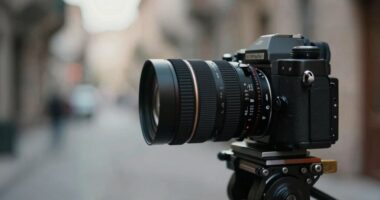

Camera movement has become a signature of modern creator style because it helps you tell stories more emotionally and visually engagingly. By using smooth pans, dynamic dollies, and quick zooms, you can turn simple footage into a professional, cinematic look. It guides your audience’s focus and creates a unique atmosphere. As technology makes this easier and more affordable, mastering these techniques will set you apart. Keep exploring this craft to truly elevate your content.

Get movie nights delivered free — and shop member deals
- Fast, free delivery on millions of items
- Access to Prime Big Deal Days deals on October 6–7
- Prime Video, Amazon Music and more included
Key Takeaways
- Camera movement enhances storytelling, emotional depth, and visual engagement, making content more immersive and memorable.
- Advances in accessible filmmaking tools enable creators to experiment with professional-style camera techniques.
- Dynamic camera work elevates content quality, helping creators stand out with a cinematic, polished aesthetic.
- Audience expectations for visually compelling, high-quality content drive creators to adopt signature camera movements.
- Deliberate camera choices shape viewer focus and evoke emotions, deepening audience connection and content impact.
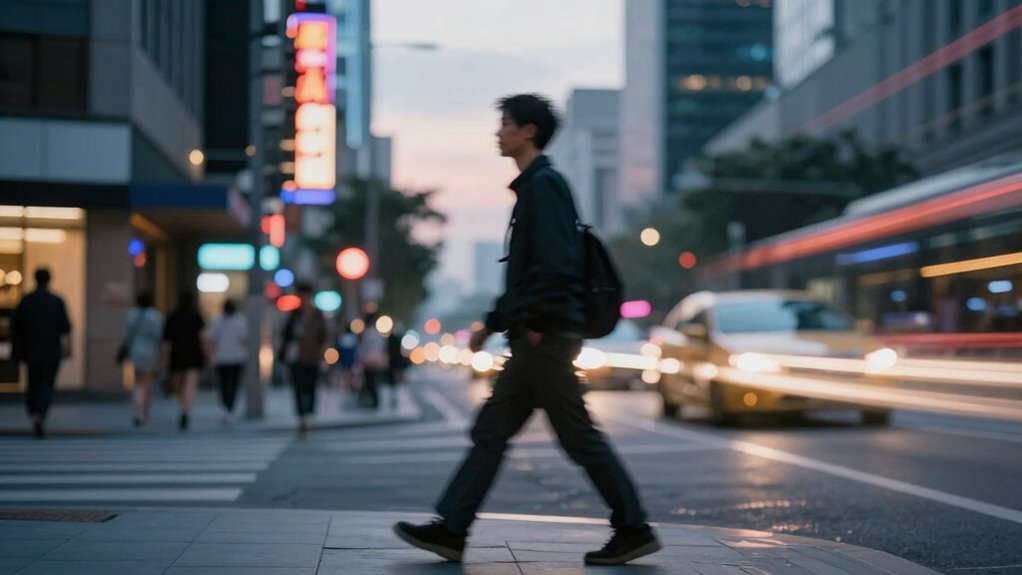
In today’s fast-paced digital landscape, camera movement has become more than just a technical element—it’s a defining signature of modern creator style. As a content creator, you understand that how you move your camera can dramatically influence the storytelling and emotional impact of your videos. Cinematic techniques, especially camera movement, help you craft visuals that grab your audience’s attention from the first second. Instead of static shots, you incorporate smooth pans, dynamic dollies, or quick zooms to add energy and flow. These choices aren’t just about style—they’re tools to deepen audience engagement, making viewers feel more connected to your story.
Camera movement transforms storytelling, adding energy and emotional depth to captivate your audience from the very first shot.
You realize that deliberate camera moves guide your viewers’ focus, emphasizing specific details or emotions. For example, a slow, sweeping shot can evoke a sense of wonder or nostalgia, while a rapid, jittery movement can create tension or chaos. This mastery of camera movement allows you to shape the viewer’s experience intentionally, making your content stand out in a crowded digital space. It’s not enough to simply present visuals; you want your audience to feel immersed and emotionally invested, and dynamic camera techniques are key to achieving that. Additionally, the accessibility of filmmaking tools has democratized high-quality video production, enabling creators like you to experiment with professional-style shots without the need for expensive equipment.
The evolution of camera movement as a signature style also stems from the democratization of filmmaking tools. Today, you have access to high-quality smartphones and affordable stabilization gear, empowering you to experiment with professional-style shots. This accessibility encourages you to adopt more cinematic techniques that enhance your storytelling. Whether you’re filming a vlog, a short film, or a social media clip, well-executed camera movements elevate your content and give it a polished, cinematic feel. This consistent use of engaging camera work becomes your signature, setting you apart from others who rely solely on static shots or simple edits. As a result, you can achieve professional-looking footage without a large budget, making high-quality content creation more accessible than ever.
Furthermore, your audience has grown accustomed to high-quality, visually dynamic content. They expect more than just a recording—they want an experience. By mastering camera movement, you create a visual language that resonates with viewers, keeping them hooked and eager for more. It’s not just about capturing footage; it’s about crafting a narrative that moves them emotionally and visually. As a modern creator, you harness the power of cinematic techniques to elevate your videos, making each piece not just watched, but felt. Camera movement becomes your visual signature—a tool that amplifies your storytelling and strengthens your connection with your audience. Recognizing that advanced filmmaking techniques are now more accessible than ever encourages you to continually refine your craft and stand out in the digital landscape.
camera stabilization gimbal for smartphones
As an affiliate, we earn on qualifying purchases.
As an affiliate, we earn on qualifying purchases.
Frequently Asked Questions
How Do Creators Choose the Right Camera Movement for Their Style?
You choose the right camera movement by aligning it with your creative storytelling goals and establishing a visual rhythm that enhances your message. Consider the mood you want to evoke—smooth pans for calm, dynamic tilts for excitement—and match movements to your narrative flow. Experiment with different styles, observe what resonates, and stay consistent with your visual language. This way, your camera work naturally complements your unique creator style.
What Equipment Is Essential for Achieving Dynamic Camera Movements?
To achieve dynamic camera movements, you need vital equipment like a gimbal or stabilizer for smooth shots, and a sturdy tripod for controlled pans. Camera stabilization is indispensable to prevent shaky footage during movement, while lighting techniques guarantee your scene remains well-lit despite movement. Invest in versatile gear that allows fluid motion and proper illumination, helping you create engaging, professional-looking videos that capture viewers’ attention effortlessly.
How Does Camera Movement Influence Audience Engagement?
Camera movement greatly boosts your audience’s engagement by enhancing visual storytelling and emotional impact. When you use dynamic shots, viewers feel more immersed and connected to the narrative. Movement guides their focus, emphasizes key moments, and evokes feelings like excitement or tension. Your energetic camera work transforms simple scenes into compelling stories, making your content memorable and emotionally resonant, ultimately capturing and maintaining your audience’s attention more effectively.
Are There Common Mistakes to Avoid When Implementing Camera Movement?
Avoid shaky camera movements that ruin camera stability, as they distract your audience from the story. Steer clear of poor shot composition, which can break immersion and confuse viewers. When implementing camera movement, don’t overuse it—each move should serve a purpose, enhancing the narrative. Remember, controlled, intentional motion guides your audience’s emotions, like a heartbeat syncing with your story, rather than pulling them out of the experience.
How Has Technology Advanced Camera Movement Techniques Over Time?
Technology has greatly advanced your camera movement techniques by improving camera stabilization and enabling smoother shots. You now use gimbals and electronic stabilizers to reduce shake, making your footage look professional. Drones have opened new creative possibilities, allowing you to capture stunning aerial views and dynamic drone footage. These innovations give you more control and flexibility, helping you craft engaging visuals with fluid camera movement that elevate your storytelling.
professional camera slider for filmmaking
As an affiliate, we earn on qualifying purchases.
As an affiliate, we earn on qualifying purchases.
Conclusion
So, next time you see a creator’s camera swoop or spin, don’t dismiss it as just flashy. It’s become their signature—an artful way to keep you hooked, even if you barely notice. Ironically, in trying to stand out, they often just blend into the modern visual noise. But hey, maybe that’s the point: in a sea of sameness, a little movement is what makes you remember them. Or at least, that’s the game.
smartphone lens kit for cinematic videos
As an affiliate, we earn on qualifying purchases.
As an affiliate, we earn on qualifying purchases.
As an affiliate, we earn on qualifying purchases.
Fall Picks
fall essentials
As an affiliate, we earn on qualifying purchases.