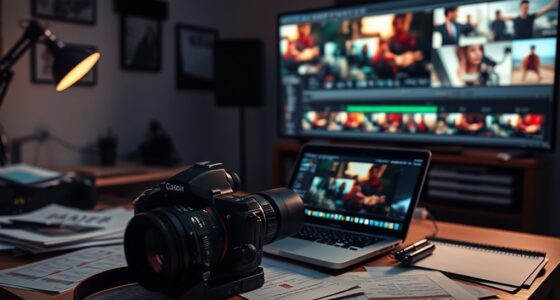

Camera movement needs a story purpose because it guides your emotions and perceptions, making scenes more impactful. When movement is intentional, it highlights key details, emphasizes character states, and creates a deeper connection to the story. Unpurposeful movement can confuse or distract viewers, breaking immersion. Every move should serve a specific goal, like building tension or conveying vulnerability. If you keep exploring, you’ll discover how different techniques shape your understanding of the narrative even further.
Key Takeaways
- Purposeful camera movement guides viewer emotions and enhances narrative understanding beyond technical aspects.
- Intentional movement aligns with characters’ internal states, setting, and story tone for deeper storytelling.
- Unfocused or aimless movement can cause confusion, distracting viewers from the story’s message.
- Specific techniques, like dollying or whipping, emphasize key moments and emotional shifts.
- Integrating environment and movement reinforces mood, themes, and emotional responses within the story.
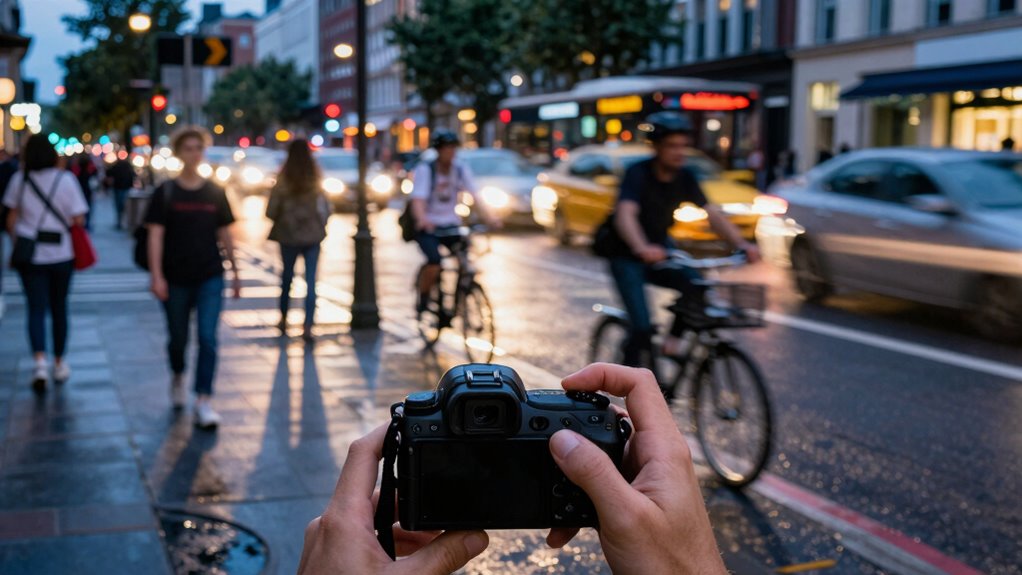
Have you ever noticed how the way a camera moves can shape your understanding of a story? It’s more than just a technical choice; it’s a powerful storytelling tool that guides your emotions and perceptions. When used intentionally, camera movement becomes a way to create dynamic framing—shifting perspectives, highlighting details, or pulling you deeper into the narrative. For example, a smooth tracking shot can follow a character’s journey, emphasizing their movement and emotional state. Conversely, abrupt or disorienting movements can convey chaos or tension. Your understanding of the story is subtly influenced by these choices, making camera motion an essential element that needs a clear story purpose.
If the camera moves without a purpose, it risks confusing or distracting you instead of immersing you. Every movement should serve a specific intent—whether to reveal a character’s internal struggle, establish a setting, or heighten an emotional tone. When movement aligns with the story, it enhances the emotional experience. A slow, deliberate pan can evoke feelings of longing or reflection, while quick, jittery movements might generate excitement or fear. This connection between camera motion and emotional tone helps you empathize with characters and understand their experiences on a deeper level. It’s not just about making a scene look dynamic; it’s about shaping how you feel during that scene.
Purposeful camera movement deepens emotional connection and guides your feelings throughout the story.
Story purpose guides every camera movement you see on screen. When directors choose to dolly in on a character, they’re not just changing perspective—they’re drawing your attention to a moment of realization or vulnerability. When the camera whips around during an action sequence, it’s not random; it’s heightening urgency and adrenaline. Without a clear purpose, camera movement can feel superficial or distracting, pulling you out of the story rather than pulling you into it. That’s why every move must be deliberate, aligned with the narrative’s needs and emotional goals. Understanding camera movement techniques and their impact on storytelling helps you appreciate the craftsmanship behind filmmaking.
In addition, considering the landscape and environment can enhance the emotional tone and story purpose of a scene by seamlessly integrating the setting with the narrative. The environment can also influence the visual language employed, reinforcing the mood or themes conveyed through movement. Recognizing the importance of visual storytelling can deepen your appreciation for how filmmakers craft scenes to evoke specific feelings and responses. In essence, camera movement isn’t just about adding visual flair; it’s about storytelling. When you recognize that each movement has a purpose—whether to create dynamic framing or evoke an emotional tone—you start to see films and scenes in a new light. Every shot, every transition, every camera turn is part of a larger conversation, guiding your understanding and emotional response. Used thoughtfully and purposefully, camera movement becomes an invisible hand shaping your experience, making the story resonate more deeply.
As an affiliate, we earn on qualifying purchases.
Frequently Asked Questions
How Do You Choose the Right Camera Movement for a Scene?
You choose the right camera movement by considering how it enhances your visual storytelling and supports the scene’s emotional tone. Think about what you want to reveal or emphasize, then plan your camera choreography accordingly—whether it’s a smooth dolly shot to create intimacy or a rapid whip pan for urgency. Always ask if the movement serves the story, ensuring each move adds meaning and guides the viewer’s focus effectively.
Can Camera Movement Replace Traditional Storytelling Techniques?
Camera movement can’t replace traditional storytelling techniques because it’s a tool that enhances visual storytelling and emotional engagement, not a substitute. While dynamic shots can evoke feelings and guide attention, they lack the depth of narrative, character development, and dialogue. You need a balance—use camera movement to complement your story, reinforcing emotional beats and visuals, rather than relying on it alone to convey the full story.
What Are Common Mistakes When Aligning Camera Movement With Story?
You often mistake aligning camera movement with story by overusing flashy techniques or ignoring the emotional tone. In visual storytelling, your camera techniques should enhance the narrative, not distract from it. Focus on subtle movements that support character development or plot progression. Avoid random or excessive motions, as they can confuse viewers. When camera movement complements the story, it deepens engagement and clarifies your visual message.
How Does Camera Movement Influence Audience Emotional Response?
Sure, because who wouldn’t want their camera to throw a tantrum? Camera movement dramatically influences your audience’s emotional response by heightening visual engagement and adding emotional depth. When you use sweeping pans or tight zooms purposefully, you guide viewers’ feelings—evoking suspense, joy, or dread. Clever camera work makes your audience feel like they’re part of the story, not just passive spectators, turning simple visuals into emotional rollercoasters.
Are There Specific Genres That Rely More on Camera Movement?
Certain genres, like action and horror, rely more on dynamic camera styles to heighten tension and excitement. You’ll notice fast pans, shaky cam, and sweeping movements that create a sense of urgency or chaos. Genre preferences shape these camera movements, making them essential tools to evoke emotions and immerse the audience. In contrast, dramas often favor steadier shots, emphasizing character development over energetic camera work.
As an affiliate, we earn on qualifying purchases.
Conclusion
Remember, every camera movement is a brushstroke shaping your story’s canvas. When you move the camera with purpose, you’re not just showing; you’re telling—guiding your audience through emotions and revelations. Think of movement as the heartbeat of your narrative, breathing life into every scene. When your camera’s motion aligns with your story’s intent, it becomes a silent storyteller, weaving a tapestry where each move echoes the deeper truth waiting to be uncovered.
As an affiliate, we earn on qualifying purchases.
camera movement accessories for filmmaking
As an affiliate, we earn on qualifying purchases.
As an affiliate, we earn on qualifying purchases.