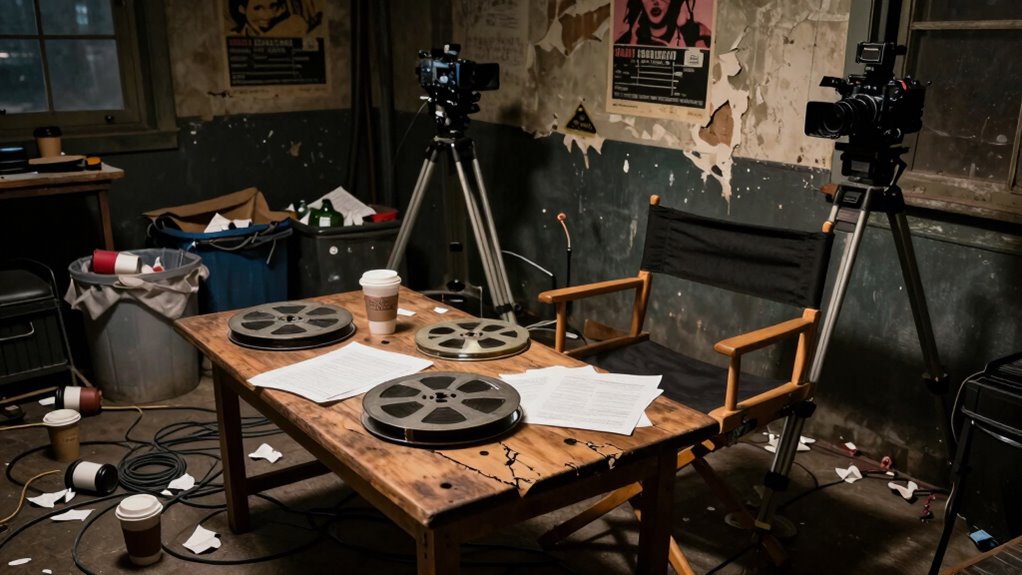

Many small film projects get derailed by hidden costs like permits, insurance, and equipment rentals, which are often underestimated or overlooked during planning. These expenses can add up quickly, risking delays, budget overruns, or even project cancellation. Without accounting for location fees, permits, and miscellaneous costs, you may find yourself scrambling for funds mid-project. To avoid these pitfalls, understanding and managing these hidden expenses is essential—stay tuned to discover how to keep your budget on track.
Key Takeaways
- Permits, location fees, and insurance are often underestimated, leading to unexpected expenses.
- Equipment rentals and crew wages can quickly inflate budgets if not accurately tracked.
- Small unforeseen costs like catering or miscellaneous expenses accumulate, causing budget overruns.
- Lack of contingency funds leaves projects vulnerable to delays and additional costs.
- Poor planning and scope definition result in underestimated expenses, risking project cancellation or failure.
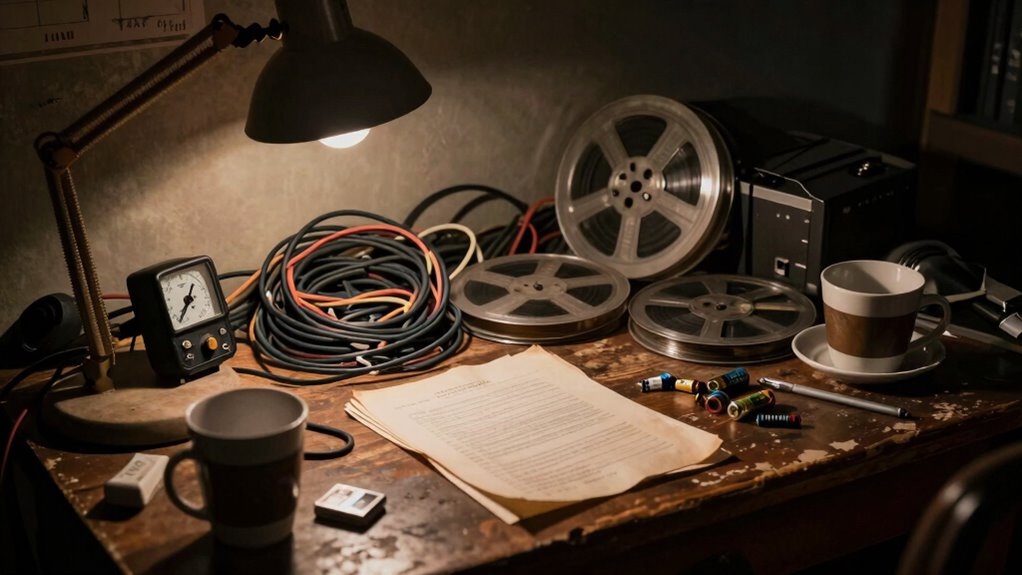
Have you ever underestimated the true expenses behind small film projects? It’s a common mistake among aspiring filmmakers who focus heavily on creative aspects but overlook the financial realities. Accurate cost estimation is essential because even seemingly minor overlooked costs can quickly spiral out of control, threatening the project’s completion. When you’re starting out, it’s easy to assume that equipment rentals, permits, and basic crew wages will fit neatly into your initial budget. However, without detailed planning and a clear understanding of all potential expenses, you risk running into unforeseen costs that can derail your project altogether.
Underestimating small film project costs can threaten your entire production’s success.
Budget management plays a pivotal role in preventing this. It’s not just about setting a dollar amount but actively tracking and adjusting as you go. Small film projects often have tight budgets, which makes every dollar count. If you don’t implement strict budget management practices, small costs can add up fast. For example, transportation expenses, catering, location fees, and post-production costs are frequently underestimated. These expenses, although seemingly minor, become significant when accumulated, eating into your limited funds and forcing compromises on quality or scope.
One hidden cost that catches many filmmakers off guard is permits and insurance. Many assume that filming in public spaces or private locations is free or inexpensive, but permits can be costly, especially if you need to secure multiple permissions. Insurance, often overlooked during initial planning, is essential to protect everyone involved, but it’s another expense that can strain your budget if not accounted for early. Failing to include these costs in your initial cost estimation means you’ll be scrambling for funds mid-project, risking delays or cancellations. Additionally, accurate cost estimation is vital to help you allocate resources effectively and avoid last-minute financial surprises. Proper planning also involves considering additional miscellaneous costs, which can unexpectedly arise and impact your overall budget. Being aware of hidden expenses can help you better prepare for the true financial scope of your project.
Furthermore, unexpected delays can inflate your costs considerably. If your shoot runs over schedule because of weather, equipment issues, or location problems, you’ll need to cover additional crew wages, equipment rentals, and possibly accommodation. Without contingency funds built into your budget, these delays can become catastrophic. Effective budget management involves setting aside a contingency reserve—generally around 10-15% of your total budget—to handle these surprises. Furthermore, understanding project scope and realistic planning can help prevent overextending your resources and encountering these hidden costs.
film production permits and insurance kit
As an affiliate, we earn on qualifying purchases.
As an affiliate, we earn on qualifying purchases.
Frequently Asked Questions
How Can Small Projects Effectively Manage Unexpected Expenses?
You can manage unexpected expenses by maintaining thorough budget planning and keeping a contingency fund. Regularly monitor your spending and adjust your budget as needed. Effective crew management also helps control costs, ensuring everyone stays on schedule and within scope. Communicate openly with your team about potential issues, and be flexible with your plans. This proactive approach minimizes surprises and keeps your small project on track financially.
What Are Common Overlooked Costs in Small Film Productions?
Did you know that 60% of small film projects face unexpected costs? Overlooked expenses like licensing fees, insurance, and equipment maintenance often sneak up on filmmakers. Creative storytelling can demand additional locations or special effects, escalating costs. Casting challenges, such as negotiating with actors or securing rights, can also inflate your budget. Stay proactive, plan for these hidden costs, and keep a contingency fund to protect your project’s success.
How Do Insurance Costs Impact Small Film Project Budgets?
Insurance costs, especially premiums, can considerably impact your small film project budget. They guarantee risk mitigation, protecting you from unexpected setbacks like accidents or equipment damage. If premiums are high, they can eat into your funds, forcing you to cut corners elsewhere. To manage this, shop around for affordable coverage and prioritize essential policies. Proper planning can help you balance necessary insurance costs without compromising your project’s financial stability.
Are There Affordable Alternatives to Costly Equipment Purchases?
Imagine your film set as a vibrant canvas—you don’t need every brushstroke owned outright. Instead, with smart budget planning, you can rent equipment that fits your vision without draining resources. Equipment rentals offer affordable alternatives to costly purchases, allowing you to access high-quality gear when needed. This approach keeps your project flexible, minimizes expenses, and helps you focus on capturing the perfect shot without being weighed down by ownership costs.
How Can Small Filmmakers Secure Additional Funding for Hidden Costs?
You can secure extra funding by leveraging crowdfunding strategies, engaging your audience early, and offering incentives like credits or exclusive content. Additionally, seek sponsorship opportunities from local businesses or brands aligned with your film’s theme. These partnerships can provide financial support or in-kind donations, helping cover hidden costs. Actively promoting your project through social media and networking events increases visibility, making it easier to attract funding and sponsorships essential for your small film’s success.
film equipment rental packages
As an affiliate, we earn on qualifying purchases.
As an affiliate, we earn on qualifying purchases.
Conclusion
Ignoring hidden costs can turn your passion project into a financial nightmare. Imagine pouring your heart into a short film only to find unexpected expenses like last-minute equipment rentals or unforeseen permits. For instance, a talented filmmaker I know overlooked these costs and ended up draining her budget, delaying her debut. Stay vigilant, plan thoroughly, and don’t let hidden expenses derail your vision. Your project deserves a smooth path from idea to screen.
film crew wages calculator
As an affiliate, we earn on qualifying purchases.
As an affiliate, we earn on qualifying purchases.
location fee permits for filming
As an affiliate, we earn on qualifying purchases.
As an affiliate, we earn on qualifying purchases.