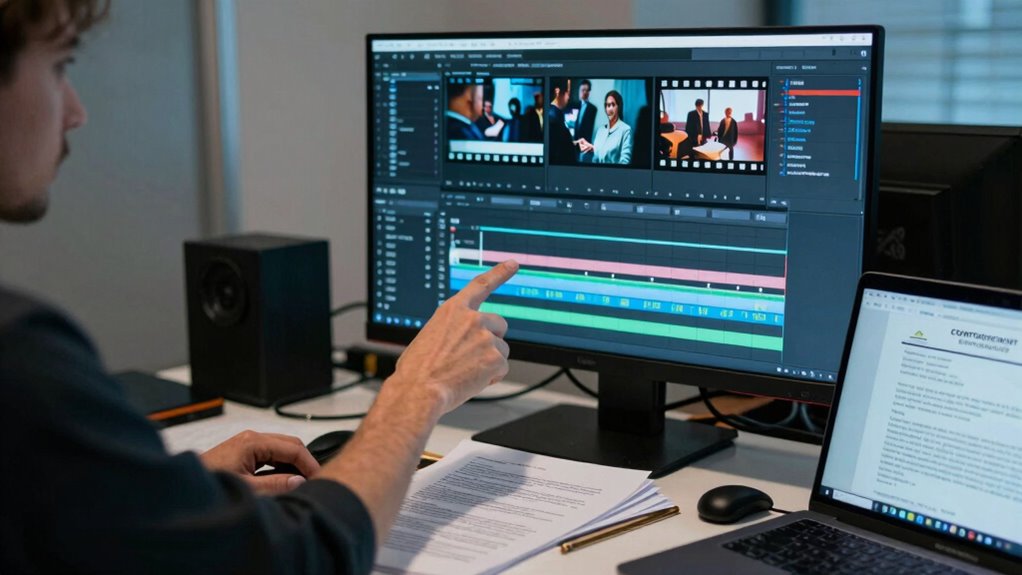

As a small film team, you need to start licensing music early to avoid costly delays and legal issues. Understand the different rights, like synchronization and master use, and communicate clearly with rights holders. Keep track of licensing deadlines and build extra time into your schedule to handle unexpected delays. Managing copyright timing throughout production guarantees your project stays on track. If you’re curious about how to navigate these challenges smoothly, keep exploring the key strategies involved.

Get movie nights delivered free with Prime
- Fast, free delivery on millions of items
- Prime Video, Amazon Music and more included
- Member-only deals all year
Key Takeaways
- Start licensing early to prevent delays and ensure sufficient time for negotiations and approvals.
- Clearly understand and secure both synchronization and master use rights before production.
- Build extra time into schedules to accommodate potential licensing delays or legal complexities.
- Keep detailed records of licensing agreements and deadlines to stay compliant and avoid disputes.
- Continuously monitor copyright laws and rights statuses throughout production to maintain legal compliance.
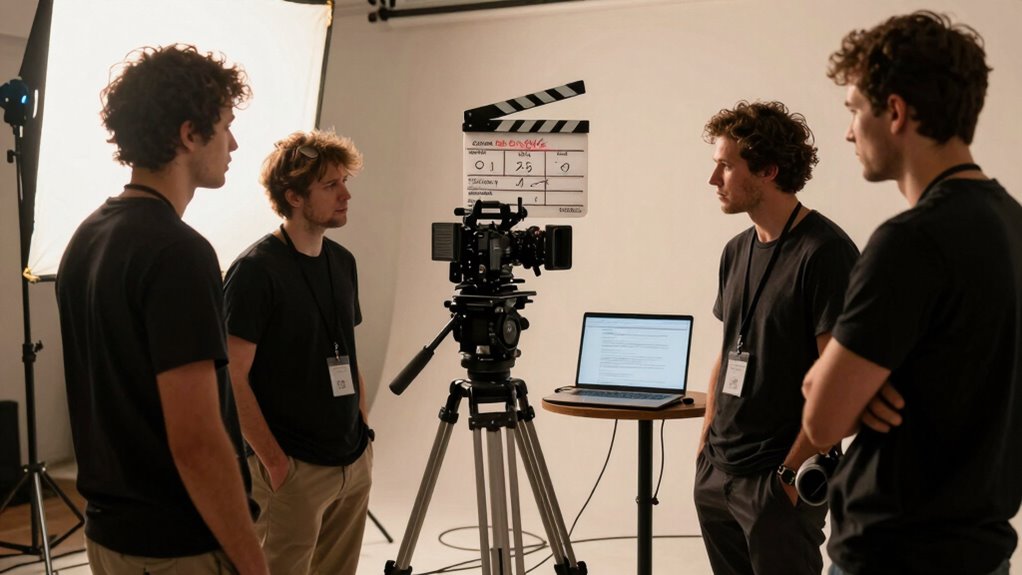
Small film teams often face unique challenges when it comes to copyright timing, as limited resources and personnel can complicate the process of securing rights and protecting their work. One of the most critical aspects is understanding the importance of music licensing. Music can substantially enhance your film’s emotional impact, but it also comes with legal obligations. You need to guarantee that you obtain the proper licenses before using any copyrighted music. You may also need to navigate license acquisition complexities, which can be time-consuming. Waiting until the last minute can cause delays, especially if the rights holder requires negotiations or if the licensing process is complex. To avoid last-minute stress, start the licensing process early in your production schedule. Reach out to rights holders or licensing agencies as soon as you identify the music you want to include. This proactive approach helps you stay on top of negotiations and makes sure you don’t miss important deadlines.
Start licensing early to avoid delays and ensure your film stays on schedule.
Speaking of deadlines, release deadlines are another vital factor. Many small film teams underestimate how long copyright clearance can take, which can jeopardize your entire project timeline. If your film is set for a festival premiere, distribution, or online release, you need to align your copyright clearances with those dates. Failing to do so can result in delays, or worse, legal issues that might force you to withdraw your film altogether. Always build extra time into your schedule for licensing and rights negotiations. This buffer can save you from last-minute scrambling, especially if you encounter unforeseen delays or complications. Additionally, understanding the sound healing science behind music can help you select appropriate tracks that resonate with your film’s emotional tone and audience.
It’s also essential to understand the difference between synchronization rights and master use rights, as both are often involved in music licensing. Synchronization rights are needed to use music in your film, while master use rights pertain to the specific recording. Securing both can take additional time, so plan accordingly. Small teams should prioritize clear communication with rights holders and document all agreements carefully to avoid misunderstandings later on. Additionally, staying informed about copyright timing and potential changes can help you adapt your schedule proactively and prevent compliance issues. Keeping track of licensing deadlines and the typical duration of rights negotiations can further help you plan effectively. Proper record-keeping and documentation are critical for maintaining compliance and resolving any disputes that may arise during or after production.
Lastly, keep in mind that copyright timing isn’t a one-and-done task. It’s an ongoing process that requires vigilance throughout production and post-production. Regularly review your licensing obligations and stay informed about any changes that could affect your rights. Engaging with copyright law resources and specialists can provide valuable guidance and ensure your project remains compliant. By planning ahead and respecting copyright timing, you guarantee your film stays on schedule, avoids legal pitfalls, and can confidently share your work with audiences.
music licensing software for filmmakers
As an affiliate, we earn on qualifying purchases.
As an affiliate, we earn on qualifying purchases.
Frequently Asked Questions
How Early Should I Register My Film’s Copyright?
You should register your film’s copyright as soon as possible after completing your project. Early registration helps protect your rights and simplifies licensing or disputes later. It’s especially important if you plan to use Creative Commons licenses or seek film licensing opportunities, as it establishes proof of authorship. Delaying registration can complicate legal matters, so don’t wait—register promptly to safeguard your work and guarantee smooth distribution.
Are There Differences in Copyright Laws Across Countries?
Sure, copyright laws across countries are as uniform as a unicorn’s horn. Thanks to international treaties, most nations agree on basic principles, but cultural differences still influence how laws are enforced and interpreted. So, if you’re planning global distribution, don’t assume copyright rules are identical everywhere. You’ll need to navigate a patchwork of regulations, respecting local customs while protecting your work—because copyright law is as diverse as the world’s cuisines.
What Are Common Copyright Pitfalls for Small Film Teams?
You should be aware that common copyright pitfalls include neglecting proper licensing strategies and overlooking legal considerations. Failing to secure rights for music, footage, or images can lead to costly legal disputes. Always verify the ownership of all content you plan to use, and implement clear licensing agreements. Staying informed about copyright laws and adopting sound licensing strategies helps protect your project, avoiding legal troubles and ensuring your film’s success.
How Long Does Copyright Protection Last for Independent Films?
Think of your film’s copyright as an eternal flame—lasting for the creator’s lifetime plus 70 years. During this time, your rights include control over Title licensing, which helps protect your work. Afterward, it may enter the Creative Commons domain, allowing others to share or adapt it freely. To maximize protection, register your independent film early, ensuring your creative spark remains yours for generations.
Can I Modify Copyrighted Material Without Infringing Rights?
You can modify copyrighted material without infringing rights if your use qualifies as fair use, which considers purpose, amount, and effect on the market. Alternatively, look for content under Creative Commons licenses, which often allow modifications. Always check the license details carefully, as some require attribution or restrict commercial use. Being aware of these rules helps you stay legal while creatively adapting existing works.
copyright management tools for small film teams
As an affiliate, we earn on qualifying purchases.
As an affiliate, we earn on qualifying purchases.
Conclusion
Understanding copyright timing helps you protect your work and avoid legal pitfalls. For example, if you film a documentary about a public figure, knowing when your footage becomes public domain can save you from infringement claims. By staying aware of copyright durations and registration deadlines, you guarantee your project remains safe and compliant. Keep these timing issues in mind, and your small team can confidently create content without unnecessary legal worries.
film production schedule planning software
As an affiliate, we earn on qualifying purchases.
As an affiliate, we earn on qualifying purchases.
film rights tracking spreadsheet
As an affiliate, we earn on qualifying purchases.
As an affiliate, we earn on qualifying purchases.
Fall Picks
fall essentials
As an affiliate, we earn on qualifying purchases.