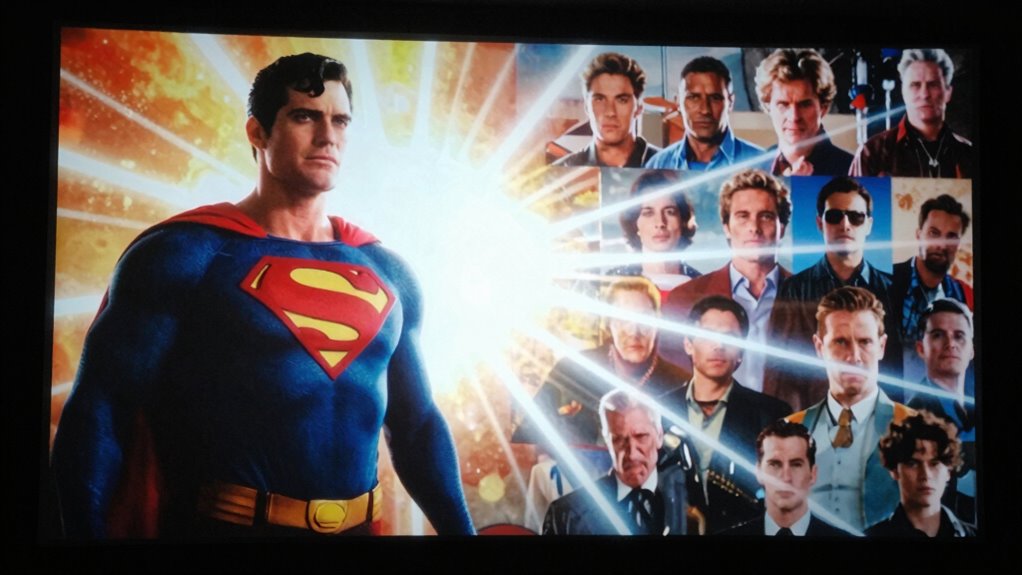
Transformative use in a trailer means you creatively rework original footage through editing, reinterpretation, or added commentary to shape a new experience. You can emphasize different themes, evoke new emotions, or convey a different message than the original. The key is making deliberate choices that produce a distinct work with artistic intent, not just copying clips. If you keep exploring, you’ll discover how to shape trailers that are both original and legally sound.
Key Takeaways
- Reworking scenes, images, and sounds to evoke different emotions or themes demonstrates transformative editing.
- Adding new commentary, narration, or context shifts the trailer’s message beyond the original footage.
- Highlighting different aspects or emphasizing themes creates a new narrative or tone, indicating transformation.
- Creative reinterpretation involves deliberate editing choices that produce a distinct artistic work.
- Demonstrating sufficient originality and purpose helps qualify the trailer as fair use through transformation.
Have you ever wondered how movie trailers manage to capture the essence of a film while often transforming its original content? It’s a fascinating process that hinges on the concept of transformative use, which is central to understanding what makes a trailer legally and creatively distinct from the original movie footage. When you create a trailer, you’re engaging in a form of creative reinterpretation—reworking scenes, images, and sounds to evoke different emotions or highlight certain themes. The key here is that your use of existing content must go beyond mere replication; it should add new meaning or context, making it clear that your work isn’t just a copy but a new piece of art. This is where the idea of transformative use plays a vital role in steering legal boundaries. Additionally, content formats can significantly influence how a trailer’s transformative qualities are perceived, shaping its creative impact and legal standing. For instance, the choice of video editing techniques can greatly enhance the transformative nature of the work, emphasizing its originality and purpose.
Legal boundaries are important to keep in mind because copyright law doesn’t automatically allow you to reuse someone else’s work. However, if your trailer demonstrates enough transformative elements—like editing, commentary, or highlighting different aspects—it can potentially qualify as fair use. The focus is on whether your use of existing footage adds something new, such as humor, critique, or a unique perspective that wasn’t present in the original material. For example, a trailer that re-edits scenes to create a different tone or emphasizes certain themes can be seen as a creative reinterpretation, which strengthens your case for lawful use. This doesn’t mean you can ignore copyright entirely, but it means your work has a better chance of falling within legal boundaries if it’s sufficiently transformative.
Essentially, a trailer becomes more than just a collection of clips when it transforms the original content through editing, narration, or juxtaposition. When you reinterpret footage creatively, you’re not simply reproducing the movie; you’re crafting a new experience that speaks differently to viewers. This process involves making deliberate choices—what scenes to include, how to edit them, and what message or mood to convey—so that your trailer stands apart from the source material. The goal is to demonstrate that your work is an original piece of expression, which can justify its existence under the umbrella of fair use. In doing so, you respect legal boundaries while harnessing the power of creative reinterpretation, allowing trailers to serve as compelling previews that are both legally sound and artistically meaningful.
video editing software for trailers
As an affiliate, we earn on qualifying purchases.
As an affiliate, we earn on qualifying purchases.
Frequently Asked Questions
How Does Transformative Use Differ From Fair Use?
Transformative use differs from fair use because it involves a deeper contextual analysis and creative reinterpretation of the original work. You focus on how your new work adds new meaning or message, rather than just copying. Fair use is a broader legal doctrine, while transformative use emphasizes how your work transforms the original, making it more than just a derivative. Your goal is to show how your work offers a fresh perspective.
Can a Trailer’s Music Choice Be Considered Transformative?
Yes, a trailer’s music choice can be considered transformative if it involves music remixing or visual reinterpretation that adds new meaning or message. By altering the original music or pairing it with different visuals, you create a different experience that goes beyond mere reproduction. This transformation can make the music more than just background, giving it a new context that supports the trailer’s narrative, often qualifying it as fair use.
What Role Does Audience Perception Play in Transformative Use?
You might think your trailer’s message is clear, but ironically, audience perception often influences whether your work is seen as transformative. Their interpretation can change the meaning entirely, making your use feel more original or derivative. If viewers see your trailer as a new creation that adds perspective or commentary, it’s more likely to qualify as transformative. Ultimately, perception influence plays a pivotal role in how your trailer’s use is judged legally and creatively.
Are There Specific Legal Examples of Transformative Trailer Uses?
Yes, there are legal examples of transformative trailer uses, like trailer parodies and fan edits. Courts have recognized that these works can qualify as fair use if they add new meaning or critique the original, making them transformative. For instance, parody trailers that humorously comment on the source material often gain legal protection. However, each case depends on how much the work transforms and its impact on the original market.
How Does Length Impact the Transformative Nature of Trailer Content?
Your trailer’s length can make or break its transformative impact—think of it as a roller coaster that must deliver all its thrills in a perfect, fleeting moment. Shorter trailers often enhance transformative use by focusing on key visuals and pacing, allowing creative reinterpretation without copying. Longer trailers risk diluting this effect, diluting your unique visuals and pacing, and risking the appearance of simply copying rather than innovating with visual effects and storytelling.
film clip re-editing tools
As an affiliate, we earn on qualifying purchases.
As an affiliate, we earn on qualifying purchases.
Conclusion
So, when you’re creating a trailer, ask yourself: does your work add new meaning or perspective to the original? If it transforms the source in a way that’s creative and distinct, it’s more likely to be considered fair use. This theory suggests that genuine transformation can shield you from legal issues. But remember, the line is blurry—so always consider the specifics, and when in doubt, seek legal advice to guarantee your trailer’s use truly counts as transformative.
audio commentary recording microphone
As an affiliate, we earn on qualifying purchases.
As an affiliate, we earn on qualifying purchases.
video transition effects for trailers
As an affiliate, we earn on qualifying purchases.
As an affiliate, we earn on qualifying purchases.